Hotel Stories

The Luxury of Turning Inward
March 26, 2026
All Memories are Traces of Tears
April 7, 2026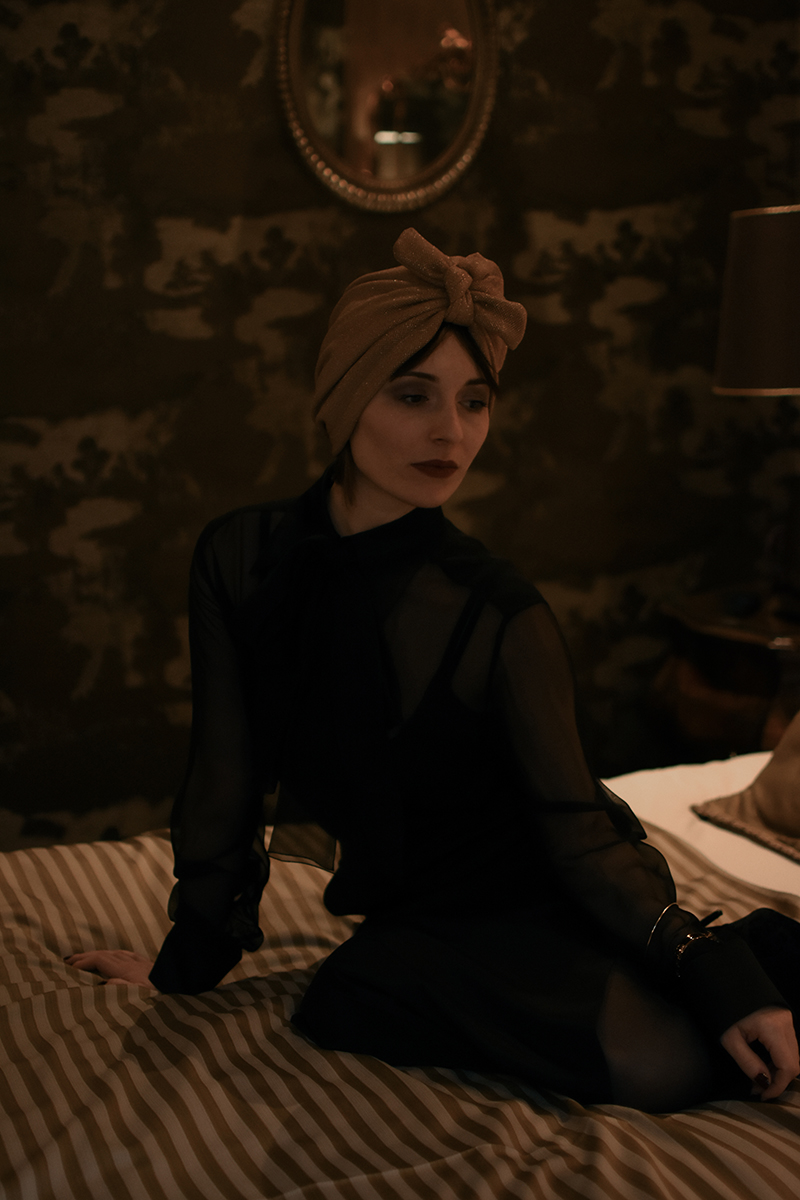
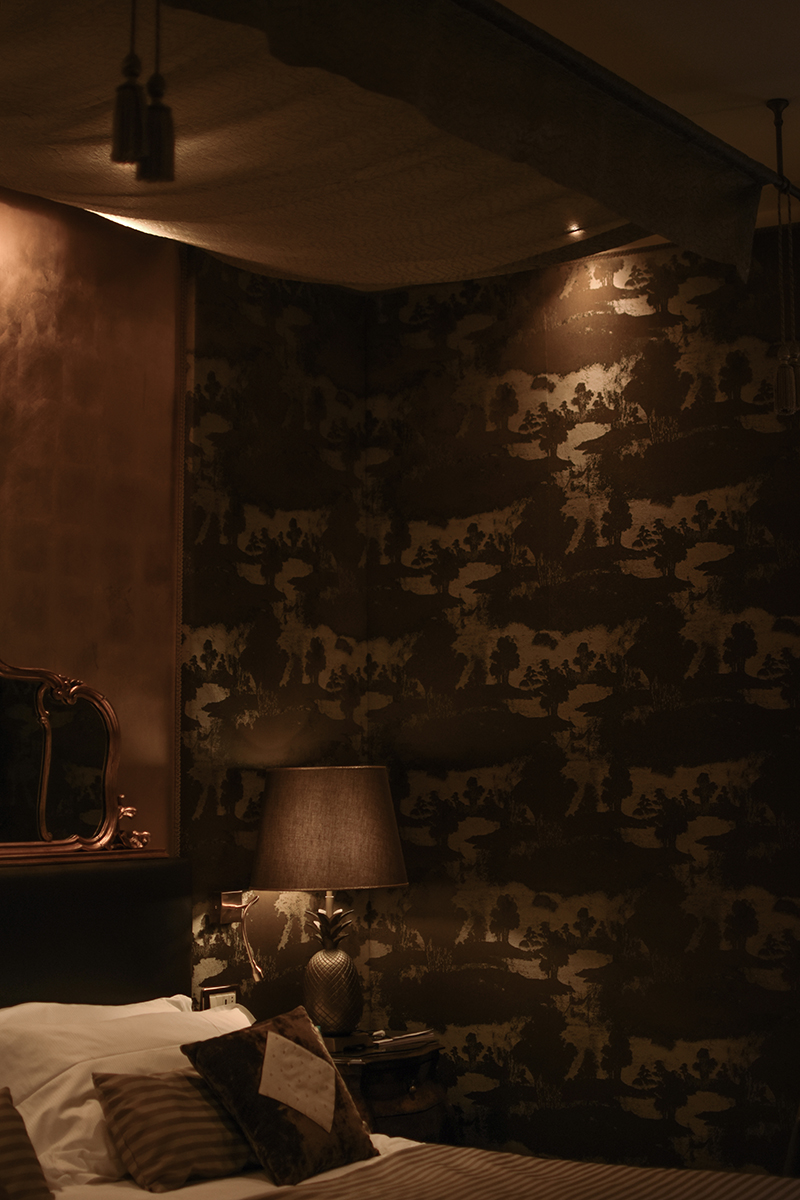
Hotels keep the stories of passengers as museums of reminiscences.
Early morning, wind in my hair and sunshine playing by the sea. The ponts that connect old façades are still empty, waiting for the new day to begin. And people, each holding his own story and his own thoughts, are slightly preparing to start the movement across the city, on the same streets that have held the thoughts of individuals for centuries. There are cities that could easily be called the cities of ghosts; the ones that hold the memory of the formerly, and keep the past still alive until the present moment. And Venice is one of them. The same way it translated art into life, it reanimates the richness of everything that has happened there until this very moment.
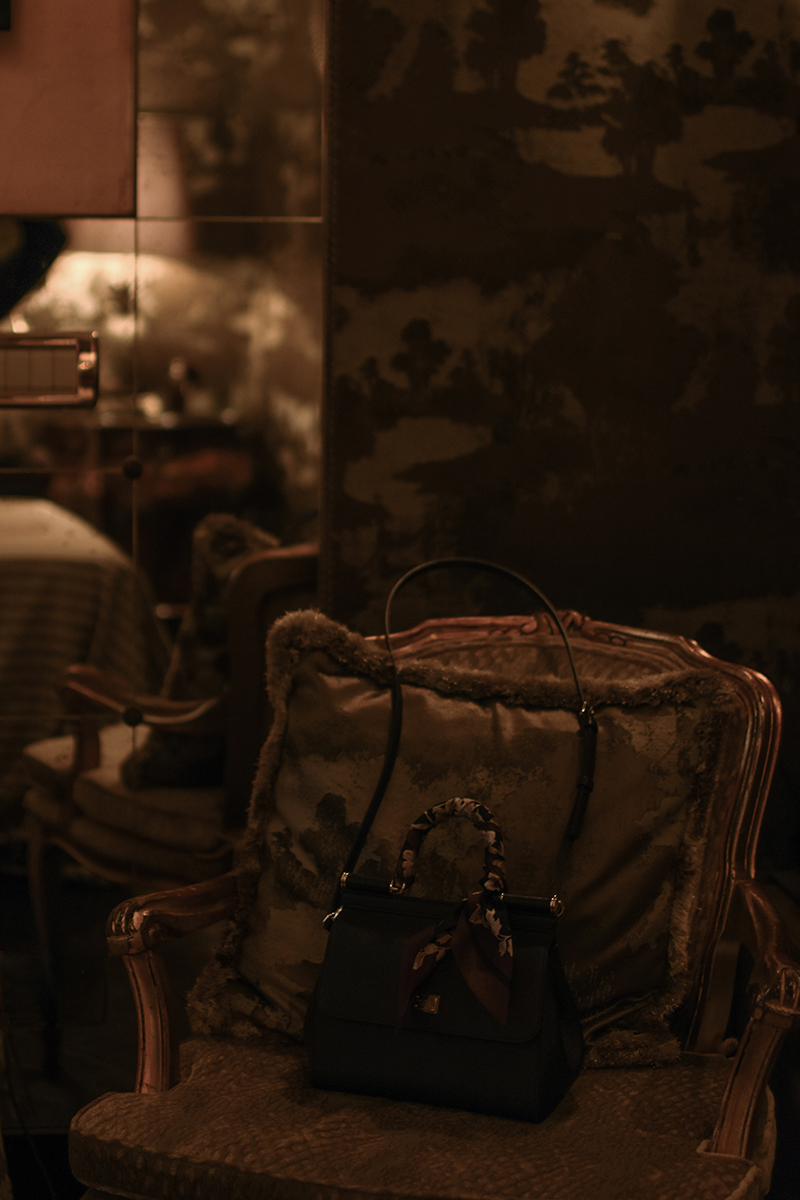
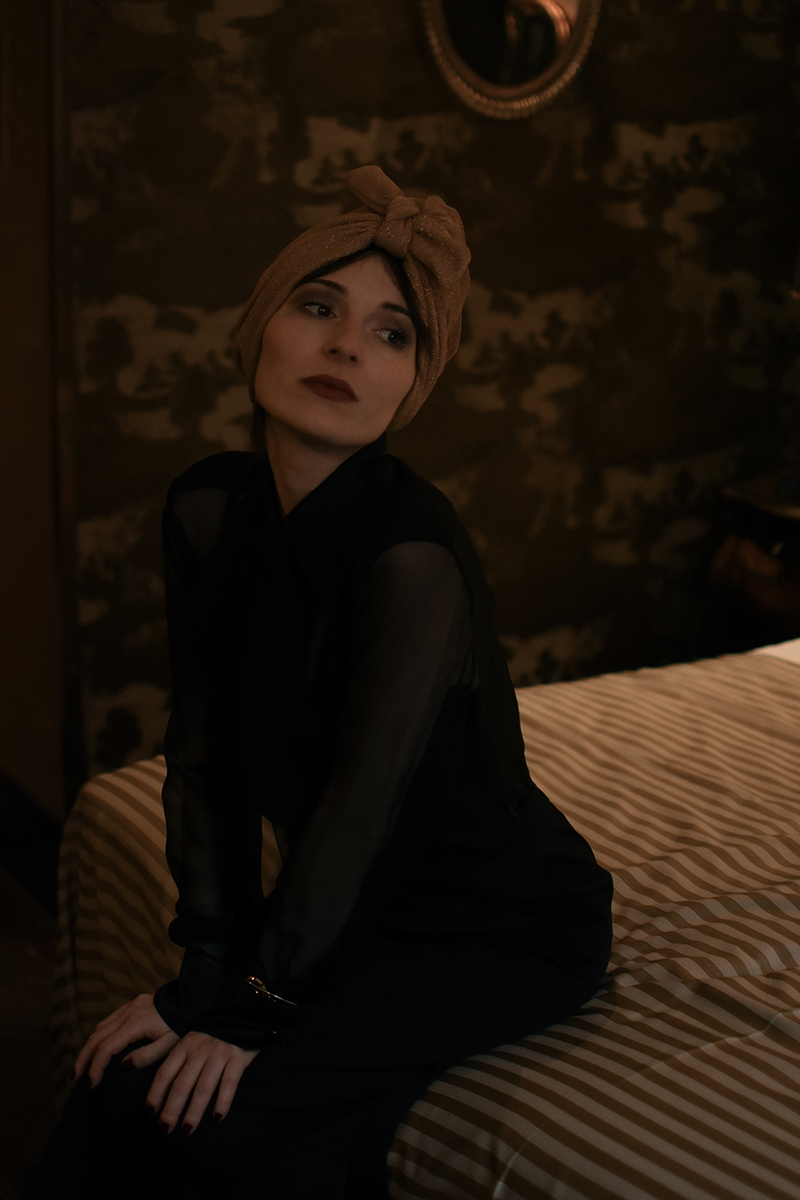
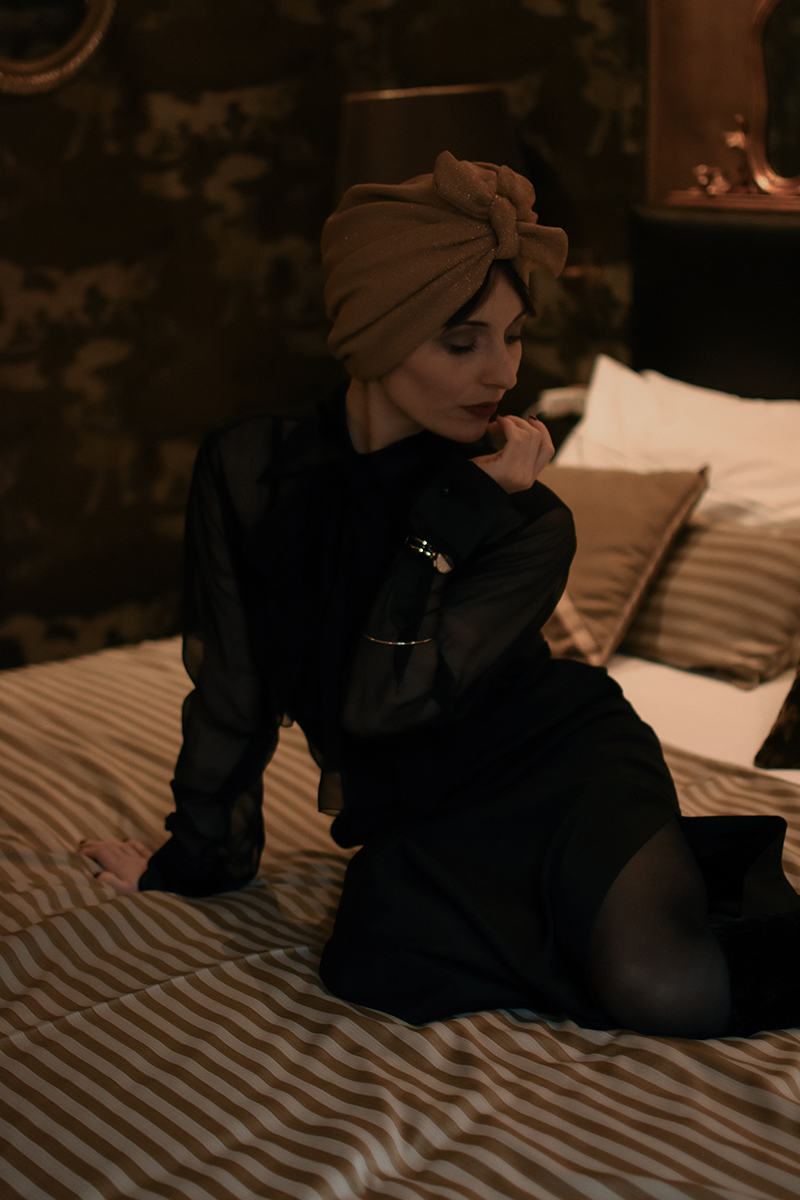
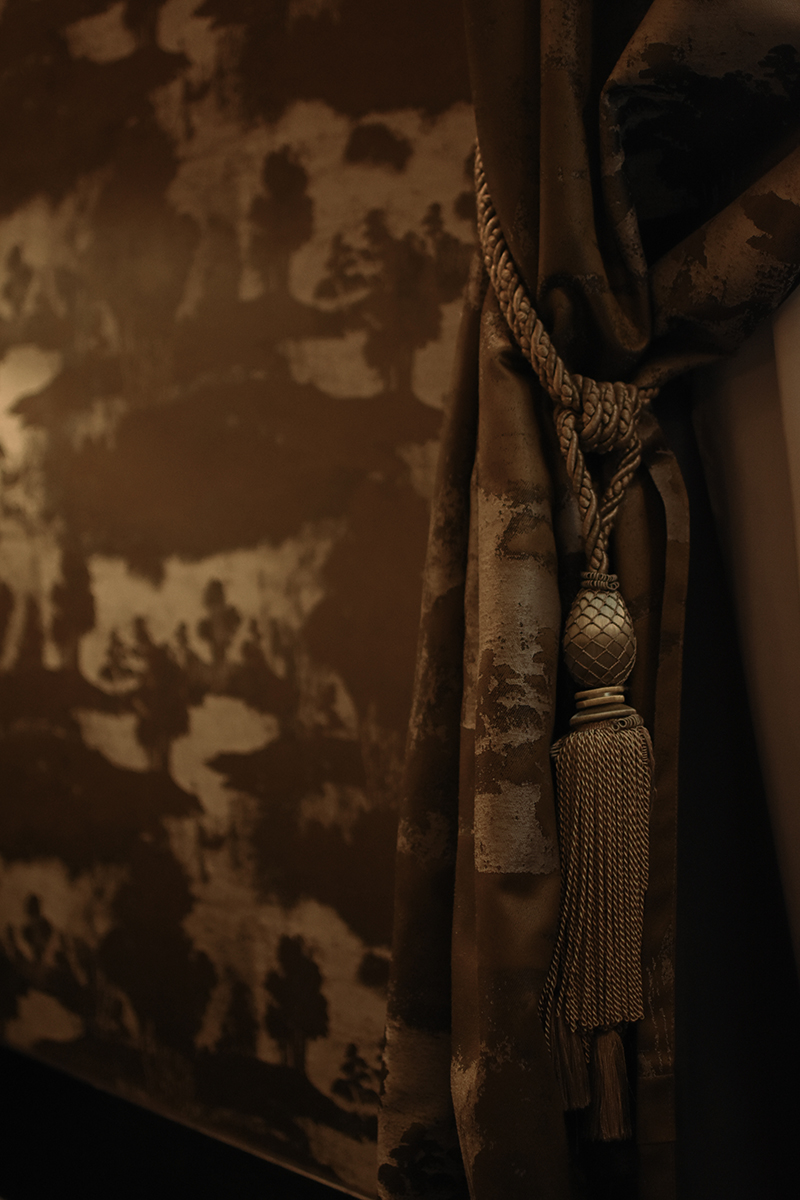
Yet, the narration that is being told holds not to its external streets, but to its internal corridors, especially the hotel ones, looking for the breaths that have lasted inside the beautiful interiors. Old places, I am sure, still remember everyone who passed by. As ghosts of memory, we leave a trace of ourselves inside every room that we enter. Ever since we leave, as if filmed on a vintage camera, the segment of our life remains there, waiting for us to return. By coming again, we find ourselves in an experience similar to a dream — we think of what was once lived there, we see the details, recall the scents, hear the voices, almost feel the fabrics. We follow our own thoughts, which appear to be more clear than back then, and we, from a safe distance, reoccur the lost feeling. For the sentiment we feel now is the projection of the one we remember.
Alongside our story, that could be named as our ghost, there are others — for a room has been a home to numerous individuals for an amount of hours, who have, just like us, left the souvenir of their own self back then to keep the reminiscence eternal. So that the phantoms compose a symphony of all the secrets they have been witnessing so far. The one that recalls the passion of love, the moment of happiness, and the tears of loneliness. The quiet instances of becoming, the changes of selves, the secret lives. Maybe it is within the last one that they have such an inspiring note, for it is inside the unknown that lies the intrigue, as well as in the forbidden that fires the passion. Or perhaps, in this very case, the amount of diverse scenes enriches the completing that we are about to hear, knowing that one's own presence might as well be encouraging as the most intimate encounter.
Spirits appear to live the bygone more than the actual time. In the palaces of such places, the ghosts meet the living in the mystic halls, making the stories of both in a single night. So that the past holds the present, and the figures from the bygone time whisper the secrets to those who ask for them. The night sometimes feels way too long, as the darkness awakens both: the thoughts, mysteries, paradoxical events, and dreamlike conversations.
What we encounter in such rooms is not only the memory of what once was, but the quiet possibility of what might have been. For every arrival carries within it an invisible alternative: another conversation that could have lasted longer, another glance that might have turned into recognition, another version of oneself that almost emerged but remained suspended in the air. Hotels seem to preserve these unfinished moments with particular tenderness, as if protecting the fragile distance between what was lived and what was merely imagined. And when we return, it is often this delicate ambiguity that we feel most strongly, the quiet presence of what almost did.
The hotel room is one of such places. A numerous amount of individuals has passed by, leaving the fragment of their life, or the secret of their mind.
Gli hotel custodiscono le storie dei viaggiatori come musei di reminiscenze.
Mattina presto, il vento tra i capelli e il sole che gioca sul mare. I ponti che collegano le antiche facciate sono ancora vuoti, in attesa che il nuovo giorno abbia inizio. E le persone, ognuna con la propria storia e i propri pensieri, si preparano lentamente a dare avvio al movimento attraverso la città, sulle stesse strade che per secoli hanno accolto i pensieri degli individui. Ci sono città che potrebbero facilmente essere chiamate città di fantasmi; quelle che custodiscono la memoria di ciò che è stato e mantengono il passato ancora vivo fino al momento presente. E Venezia è una di queste. Così come ha tradotto l’arte in vita, ha rianimato la ricchezza di tutto ciò che vi è accaduto fino a questo stesso istante.
Eppure, la narrazione che viene raccontata non appartiene tanto alle sue strade esterne, quanto ai suoi corridoi interni, in particolare a quelli degli hotel, alla ricerca dei respiri rimasti sospesi negli interni eleganti. I luoghi antichi, ne sono certa, ricordano ancora chiunque vi sia passato. Come fantasmi della memoria, lasciamo una traccia di noi stessi in ogni stanza che attraversiamo. Una volta che ce ne andiamo, come se fosse ripreso da una macchina da presa d’epoca, il frammento della nostra vita rimane lì, in attesa del nostro ritorno. Tornando, ci ritroviamo in un’esperienza simile a un sogno — pensiamo a ciò che è stato vissuto un tempo, rivediamo i dettagli, ricordiamo i profumi, sentiamo le voci, quasi tocchiamo i tessuti. Seguiamo i nostri pensieri, che appaiono più chiari di allora, e da una distanza sicura ripercorriamo la sensazione perduta. Il sentimento che proviamo ora è infatti la proiezione di quello che ricordiamo.
Accanto alla nostra storia, che potremmo chiamare il nostro fantasma, ce ne sono altre — perché una stanza è stata casa di numerosi individui per poche ore, i quali, proprio come noi, hanno lasciato il ricordo di sé per mantenere la reminiscenza eterna. Così i fantasmi compongono una sinfonia di tutti i segreti a cui hanno assistito finora.
Quelli che ricordano la passione dell’amore, i momenti di felicità e le lacrime della solitudine. Le quiete istanze del divenire, i cambiamenti del sé, le vite segrete. Forse è proprio in queste ultime che risiede una nota particolarmente affascinante, perché è nell’ignoto che si trova l’intrigo, così come nel proibito che si accende la passione. Oppure, in questo caso, è la varietà delle scene a rendere più ricca la composizione che stiamo per ascoltare, sapendo che la presenza di ciascuno può risultare intensa quanto l’incontro più intimo.
Gli spiriti sembrano vivere il tempo trascorso più del presente. Nei palazzi di questi luoghi, i fantasmi incontrano i vivi nelle sale misteriose, intrecciando le storie di entrambi in una sola notte. Così il passato sostiene il presente, e le figure del tempo trascorso sussurrano i loro segreti a chi li cerca. La notte a volte sembra troppo lunga, mentre l’oscurità risveglia tutto insieme: pensieri, misteri, eventi paradossali e conversazioni simili a sogni.
Ciò che incontriamo in queste stanze non è soltanto la memoria di ciò che è stato, ma anche la possibilità silenziosa di ciò che avrebbe potuto essere. Ogni arrivo porta con sé un’alternativa invisibile: una conversazione che avrebbe potuto durare più a lungo, uno sguardo che avrebbe potuto trasformarsi in riconoscimento, un’altra versione di sé che stava per emergere ma è rimasta sospesa nell’aria. Gli hotel sembrano custodire questi momenti incompiuti con particolare delicatezza, come se proteggessero la fragile distanza tra ciò che è stato vissuto e ciò che è soltanto stato immaginato. E quando torniamo, è spesso proprio questa ambiguità sottile che sentiamo più intensamente la presenza silenziosa di ciò che quasi è stato.
La stanza d’albergo è uno di questi luoghi. Un numero innumerevole di individui vi è passato, lasciando il frammento della propria vita, o il segreto della propria mente.