The Archive of Sentiment: Forgetting

The Cinema of Longing
February 20, 2026
The Pursuit of Perfection
March 25, 2026
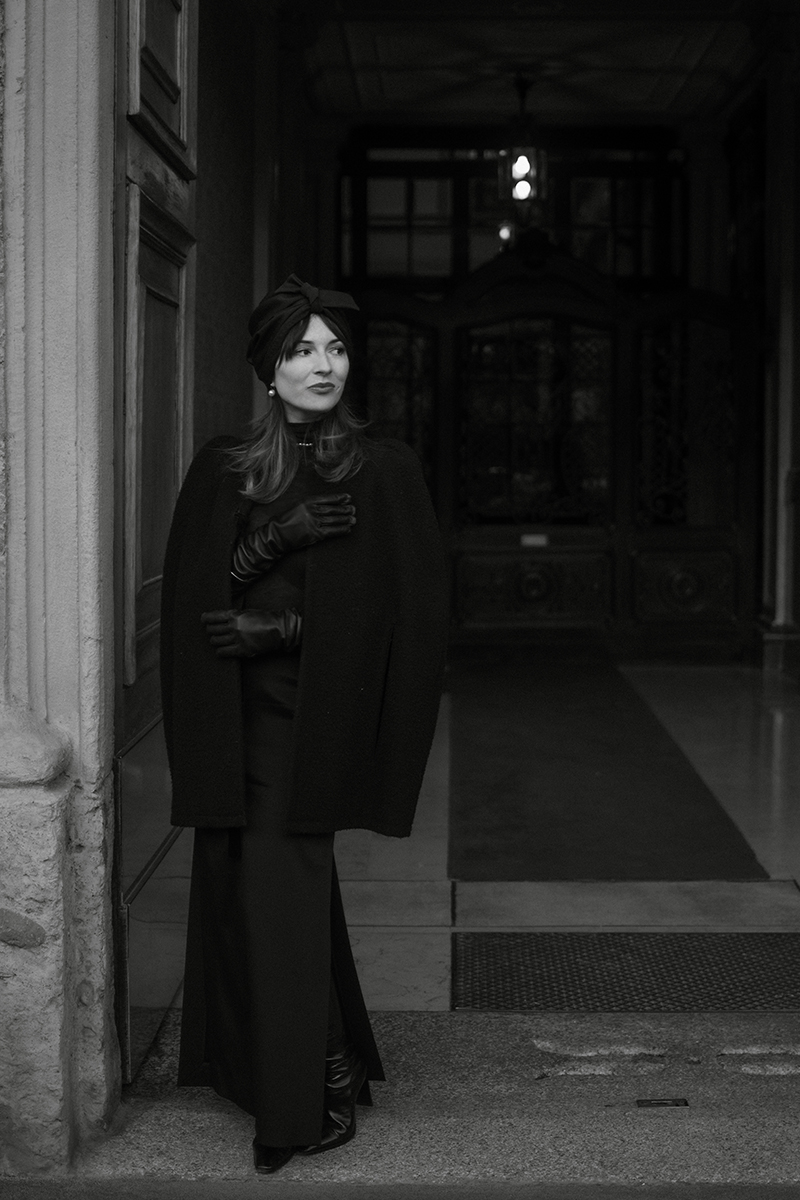
'Time will pass. Only time. And time will come. A time will come, when we can no longer name what it is that unites us. The name will gradually fade from our memory. Then it will disappear entirely.'
We feel in one world. We think in another. The remembered feeling stays in the gap. In the beginning, it looks fresh and clear, almost alive, in its closeness to us. Yet, with the passing of time, it loses its adjectives. First, it is the little details that fade: a smell, a glance, a heartbeat. The forgetting starts with the tone of the voice, or with the tone of the eyeshadoes. Then, it takes the sensation of touch, the phrasing of words, the sound of voice. Followed by the turning of clocks, the whole image becomes blurred, only to end up looking distant, unreachable. And what is placed far off slowly disappears in the forest of thoughts.
Whenever an end happens to a memory, it is destined to remain alone — to accompany time in the way time has accompanied us.
The endless play that is set seems like a chapter from an absurd novel: sensation drops from the present into the rational part; they become a thought. Once formed, a thought contains only the summary of what was detected. And, as the final act, instants collect conception to achieve it, freeing space to experience new beginnings. The tendency to put everything into words, if articulated too soon, only hastens the process. We struggle to feel without clarity of our senses, yet once justified, the same sensations become part of an inner narrative; almost a story we tell ourselves.
But narrations are only half real. They exist because of their closeness to the mirage. Just as in love, there is this illusion — the illusion that we will never be able to forget. We tend to keep small objects close, only to remind us of the intensity that once was factual; we keep revisiting the same places that hold the ghosts of the past. Just as in love, illusion tries to find its way to fight oblivion.
Forgetting might be a form of time’s protecting us. Time takes the role of the saviour, keeping us away from regret, away from hope for return. What belongs to the past is ruled by different laws already, so that the very idea of adjusting it is dangerous to us. Living in memory keeps the present secondary, yet its aliveness seems to bring it right at the place where it was lost. Why is everything that we feel transforming into a thought after all?
The echo from the past feels still from afar. Once looked at, it bruises like touch, reminding us that its place is away; that what has passed belongs to another world, that it can’t be held back. Even by occupying the space of one’s mind, souvenirs tend to lose their shape. Recollection is never real, but almost a dream-like ghost of something that was once lived.
Il tempo passerà. Solo il tempo. E il tempo verrà. Verrà un tempo in cui non saremo più in grado di dare un nome a ciò che ci unisce. Il nome svanirà gradualmente dalla nostra memoria. Poi scomparirà del tutto.
Sentiamo in un mondo. Pensiamo in un altro. Il sentimento ricordato resta nello spazio tra i due. All’inizio appare fresco e nitido, quasi vivo, nella sua prossimità a noi. Eppure, con il passare del tempo, perde i suoi aggettivi. Per prime svaniscono le piccole cose: un odore, uno sguardo, un battito. L’oblio inizia dal tono della voce, o dal colore dell’ombretto sugli occhi. Poi prende la sensazione del tatto, la cadenza delle parole, il suono stesso della voce. Con il voltare degli orologi, l’immagine intera si fa confusa, fino a risultare distante, irraggiungibile. E ciò che viene collocato troppo lontano finisce lentamente per perdersi nella foresta dei pensieri.
Ogni volta che una memoria giunge alla sua fine, è destinata a restare sola — ad accompagnare il tempo nello stesso modo in cui il tempo ha accompagnato noi.
Il gioco infinito che si instaura somiglia a un capitolo di un romanzo assurdo: la sensazione scivola dal presente verso la parte razionale; diventa pensiero. Una volta formato, il pensiero contiene soltanto il riassunto di ciò che è stato percepito. E, come atto finale, gli istanti raccolgono una forma concettuale per compiersi, liberando spazio per l’esperienza di nuovi inizi. La tendenza a mettere tutto in parole, se articolata troppo presto, non fa che accelerare il processo. Fatichiamo a sentire senza una chiarezza dei sensi; eppure, una volta giustificate, le stesse sensazioni diventano parte di una narrazione interiore, quasi una storia che raccontiamo a noi stessi.
Ma le narrazioni sono soltanto a metà reali. Esistono per la loro prossimità al miraggio. Come nell’amore, esiste questa illusione — l’illusione che non saremo mai in grado di dimenticare. Tendiamo a tenere piccoli oggetti vicino a noi, per ricordarci l’intensità che un tempo era concreta; continuiamo a tornare negli stessi luoghi che custodiscono i fantasmi del passato. Come nell’amore, l’illusione cerca una via per opporsi all’oblio.
Dimenticare potrebbe essere una forma di protezione esercitata dal tempo. Il tempo assume il ruolo del salvatore, tenendoci lontani dal rimpianto, lontani dalla speranza di un ritorno. Ciò che appartiene al passato è già governato da leggi diverse, tanto che l’idea stessa di modificarlo diventa pericolosa. Vivere nella memoria rende il presente secondario, eppure la sua vitalità sembra riportarlo esattamente nel punto in cui è stato perduto. Perché tutto ciò che sentiamo finisce, dopotutto, per trasformarsi in pensiero?
L’eco del passato si avverte ancora da lontano. Quando lo si guarda, ferisce come un tocco, ricordandoci che il suo posto è altrove; che ciò che è passato appartiene a un altro mondo, e che non può essere trattenuto. Anche occupando lo spazio della mente, i ricordi tendono a perdere la loro forma. La rievocazione non è mai reale, ma piuttosto un fantasma onirico di qualcosa che un tempo è stato vissuto.