The Cinema of Longing

Devotion in the Age of Options
February 15, 2026
The Archive of Sentiment: Forgetting
February 25, 2026The desire for the lost. The yearning for something that is no longer there. Even though it may seem like a sad, almost grieving emotion, within the admiration of something left in the past there is also a trace of hope: the hope for its return, be it in the sense of a future encounter or the reliving of the same emotion that remained suspended on another occasion.
Unlike familiar fancy, which seeks immediate satisfaction, longing is often directed toward something vast, undefined, or firmly out of reach, such as a lost home, a past love, a better version of oneself, or an idealised, unattainable future. A bittersweet pull toward something that you want but may never get because the idea is so far away, it is a feeling of joy and angst that often comes with the knowledge that what you long for is firmly out of your reach. Manifested as a quiet detachment from the present moment, similar to a daydream, such as when one gets lost in thought while looking into the distance, the emotion of longing is, by its nature, cinematic. For the distant gaze that loses itself in the city’s greyish streets, and a line that half names the emotion, produce the same intrigue as the image of an elegant figure, dressed in black, whose mind melts into the dawn’s light and, by its existence, asks for romantic documentation, which naturally comes in cinema.
Il desiderio per ciò che è perduto. La nostalgia di qualcosa che non c’è più. Anche se può sembrare un’emozione triste, quasi simile al lutto, nell’ammirazione per ciò che è rimasto nel passato esiste anche una traccia di speranza: la speranza del suo ritorno, sia nel senso di un incontro futuro, sia in quello di rivivere la stessa emozione rimasta sospesa in un’altra occasione.
A differenza del capriccio familiare, che cerca una soddisfazione immediata, il longing è spesso rivolto verso qualcosa di vasto, indefinito o irrimediabilmente irraggiungibile, come una casa perduta, un amore passato, una versione migliore di sé, oppure un futuro idealizzato e inaccessibile. È una tensione dolceamara verso qualcosa che si desidera ma che forse non si otterrà mai, proprio perché l’idea è così lontana da restare fuori portata; è una sensazione di gioia e angoscia insieme, che nasce spesso dalla consapevolezza che ciò che si desidera appartiene a una distanza impossibile da colmare. Manifestandosi come un quieto distacco dal momento presente, simile a un sogno a occhi aperti, come quando ci si perde nei pensieri guardando in lontananza, l’emozione del longing è, per sua natura, cinematografica. Perché lo sguardo distante che si smarrisce nelle strade grigiastre della città, e una frase che nomina solo a metà l’emozione, producono lo stesso fascino dell’immagine di una figura elegante, vestita di nero, la cui mente si dissolve nella luce dell’alba e che, con la sola sua esistenza, sembra chiedere di essere documentata romanticamente, cosa che avviene naturalmente nel cinema.
Il longing non è l’assenza dell’amore, ma la sua forma più durevole. Il cinema lo cattura attraverso sequenze ritardate, pause nelle conversazioni e attenzione a ciò che resta non detto. A differenza dell’oblio, che cancella, il longing conserva, spesso dolorosamente, ciò che non ha potuto essere vissuto fino in fondo.
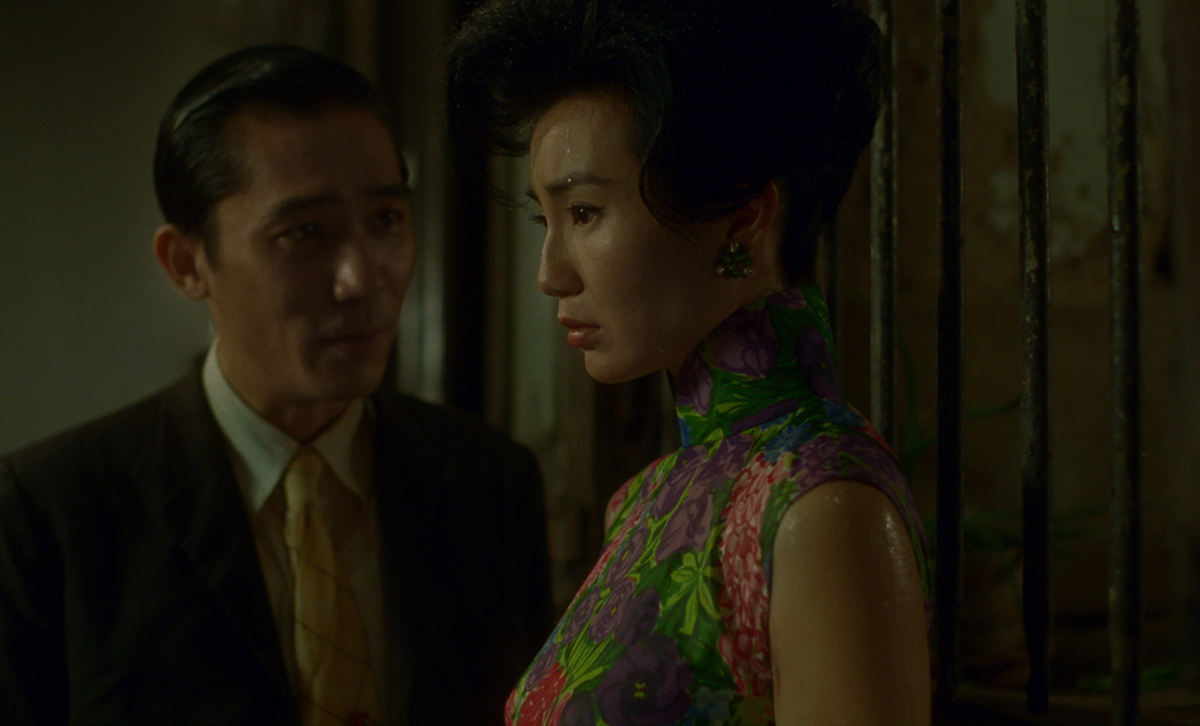
In the Mood for Love (2000)
Maybe the most famous cinematic articulation of the emotional tendency toward a parallel life, In the Mood for Love captures two people falling deeply for one another while never crossing the line. The connection remains mental, in mutual attraction, admiration, and seemingly platonic love. The desire is shared, but never truly consumed. The passion is felt, even articulated, but respect for social norms is stronger than the inner impulse. The absence, in that way, becomes connection. After the shared chapter of life, the parting comes as the conservation of the feeling. Opposite of forgetting, which tends to erase details, the separation keeps the possibility even more vivid, for the tendency to “remember” the unlived life only grows stronger when left to the imagination alone. The gaps in the interactions, by being repeated, become more meaningful, and the distance becomes a certain glorification of a missed chance for happiness.
In the Mood for Love (2000)
Forse la più celebre articolazione cinematografica della tendenza emotiva verso una vita parallela, In the Mood for Love racconta due persone che si innamorano profondamente senza mai oltrepassare il confine. Il legame rimane mentale, fatto di attrazione reciproca, ammirazione e un amore apparentemente platonico. Il desiderio è condiviso, ma non viene mai davvero consumato. La passione è percepita, persino articolata, ma il rispetto per le norme sociali si rivela più forte dell’impulso interiore. L’assenza, in questo senso, diventa connessione. Dopo il capitolo di vita condiviso, la separazione arriva come conservazione del sentimento. All’opposto dell’oblio, che tende a cancellare i dettagli, la distanza rende la possibilità ancora più viva, perché la tendenza a “ricordare” la vita non vissuta cresce ancora di più quando viene lasciata alla sola immaginazione. I vuoti nelle interazioni, proprio perché si ripetono, acquistano significato, e la distanza diventa una sorta di glorificazione di un’occasione mancata di felicità.

Call Me by Your Name (2017)
The feeling of loving someone deeply while not being with them. To share moments every day, to talk, to connect, to see them up close and still not consume the feelings. Supported by the delay in even naming them, this kind of romance points to the fact that not all loves are meant to be lived — some are meant to teach us about ourselves, and by educating us, to awaken us emotionally. The yearning in this narrative continues even after the consummation, for the affair was short-lived and never fully fulfilled, leaving space for desire to exist within the long articulation of time. Liaisons have the power to prolong the ending, or at least the impression of its extension. Once the depth of intimacy has been experienced, the memory of sentimental intensity remains, fighting the passage of time, causing almost obsessive repetition. What is remembered as the “ache of desire” becomes what we tend to look for in every following encounter.
Call Me by Your Name (2017)
La sensazione di amare profondamente qualcuno senza stare con lui. Condividere momenti ogni giorno, parlare, entrare in relazione, osservarlo da vicino e tuttavia non consumare i sentimenti. Sostenuto dal ritardo persino nel nominarli, questo tipo di amore suggerisce che non tutti gli amori sono destinati a essere vissuti: alcuni servono a insegnarci qualcosa su noi stessi e, così facendo, a risvegliarci emotivamente. Il longing in questa narrazione continua anche dopo il compimento, perché la relazione è stata breve e mai pienamente realizzata, lasciando spazio al desiderio di esistere nella lunga articolazione del tempo. Le liaison hanno il potere di prolungare la fine, o almeno l’impressione della sua estensione. Una volta sperimentata la profondità dell’intimità, il ricordo dell’intensità sentimentale resta, combattendo il passare del tempo e provocando una ripetizione quasi ossessiva. Quello che viene ricordato come il “dolore del desiderio” diventa ciò che tendiamo a cercare in ogni incontro successivo.
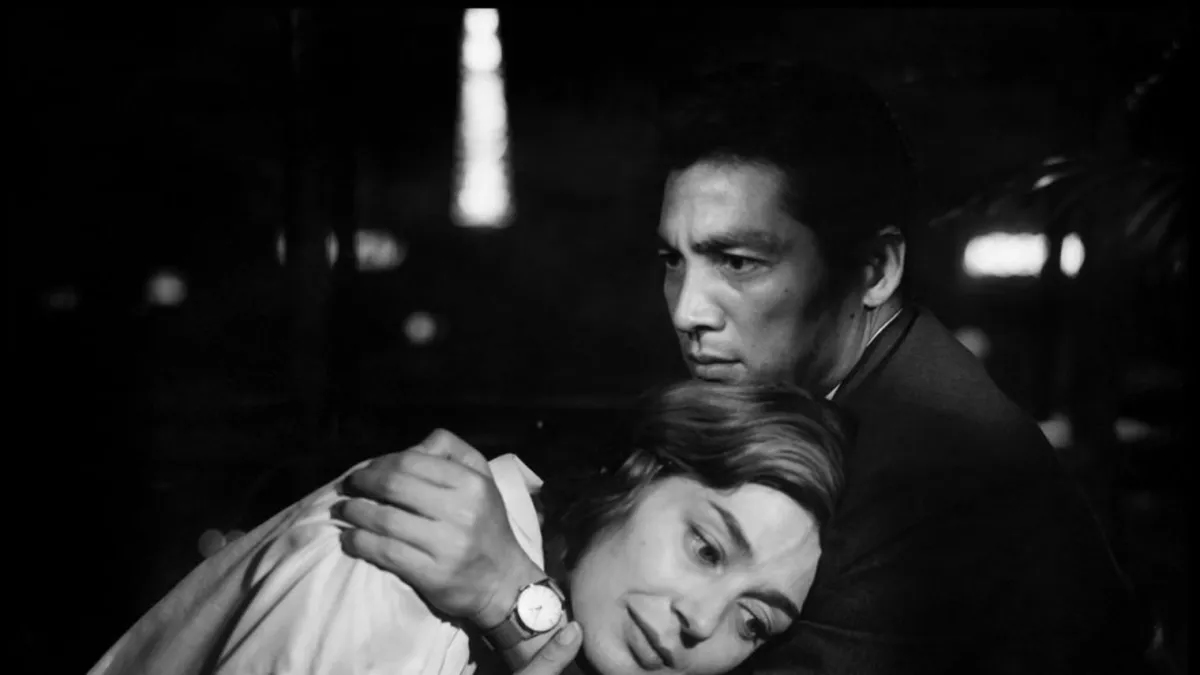
Hiroshima mon amour (1959)
Longing entangled with forgetting. Holding onto the memory of something long gone, embodied in a short-lived affair. The emotion documented in this film is confusing because it plays with our tendency to remember, to forget, to feel, and to let feelings fade. The bond between the two of them is, by nature, impossible, and even though it remains so, it is deepened by reminiscence of the past, by bringing forward almost forgotten desire from time gone by. Oblivion, as the opposite of yearning, becomes a driving force to collect the ruins of memory, with the attempt to keep the feeling-tone alive, at least in segments. The film approaches beautifully the propensity to hold onto something even more precisely because it will soon be gone.
Hiroshima mon amour (1959)
Il longing intrecciato all’oblio. Aggrapparsi alla memoria di qualcosa di lontanissimo, incarnato in una relazione breve. L’emozione documentata in questo film è confusa, perché gioca con la nostra tendenza a ricordare, dimenticare, sentire e lasciare che i sentimenti svaniscano. Il legame tra i due è, per sua natura, impossibile, e anche se tale resta, viene approfondito dalla reminiscenza del passato, riportando in superficie un desiderio quasi dimenticato appartenente a un altro tempo. L’oblio, come opposto del longing, diventa una forza motrice nel raccogliere le rovine della memoria, nel tentativo di mantenere vivo il tono emotivo, almeno a frammenti. Il film coglie con grande precisione la propensione a trattenere qualcosa proprio perché sta per scomparire.

Brief Encounter (1945)
Train platforms, cafés, scheduled departures. Love constrained by an almost unbearable sense of responsibility.
The two protagonists do not hesitate because they doubt the depth of their attachment. They hesitate because they understand it too well. The intensity arrives quickly, almost recklessly, and then must be contained within the rigidity of marriage, duty, reputation. What makes the longing endure is its incompletion. Their meetings are fragments, stolen hours suspended between domestic routines. Each encounter feels both miraculous and already over. They speak of practicalities while their voices betray a tremor neither dares to acknowledge fully.
The absence that follows is a continuation — a private chamber in which the unlived version of their life persists, untouched by reality.
Brief Encounter (1945)
Banchine ferroviarie, caffè, partenze scandite dagli orari. Un amore costretto dentro un senso di responsabilità quasi insopportabile.
I due protagonisti non esitano perché dubitano della profondità del loro legame. Esitano perché la comprendono fin troppo bene. L’intensità arriva in fretta, quasi sconsideratamente, e deve poi essere contenuta nella rigidità del matrimonio, del dovere, della reputazione. Ciò che rende il longing così duraturo è la sua incompiutezza. I loro incontri sono frammenti, ore rubate sospese tra le routine domestiche. Ogni incontro appare insieme miracoloso e già terminato. Parlano di cose pratiche mentre le loro voci tradiscono un tremore che nessuno dei due osa davvero riconoscere.
L’assenza che segue è una continuazione: una camera privata in cui la versione non vissuta della loro vita persiste, intatta dalla realtà.

La Dolce Vita (1960)
The feeling of a hunger that refuses to attach itself to any single face. Marcello moves through nights of glamour and excess, yet remains unmoored, perpetually searching for a depth that never quite materialises.
Women pass through his life like reflections in golden ideals. Attraction is present, sometimes even tenderness, but never completion. The desire here is directed toward an idea of transcendence rather than toward an individual.
This is longing without object: the ache for a purity one recognises too late, when it is already inaccessible.
La Dolce Vita (1960)
La sensazione di una fame che rifiuta di legarsi a un solo volto. Marcello attraversa notti di glamour ed eccesso, eppure resta sradicato, alla ricerca continua di una profondità che non si materializza mai del tutto.
Le donne passano nella sua vita come riflessi di ideali dorati. L’attrazione è presente, a volte persino la tenerezza, ma mai il compimento. Il desiderio, qui, è diretto verso un’idea di trascendenza più che verso una persona.
Questo è longing senza oggetto: il dolore sordo per una purezza che si riconosce troppo tardi, quando è già divenuta inaccessibile.
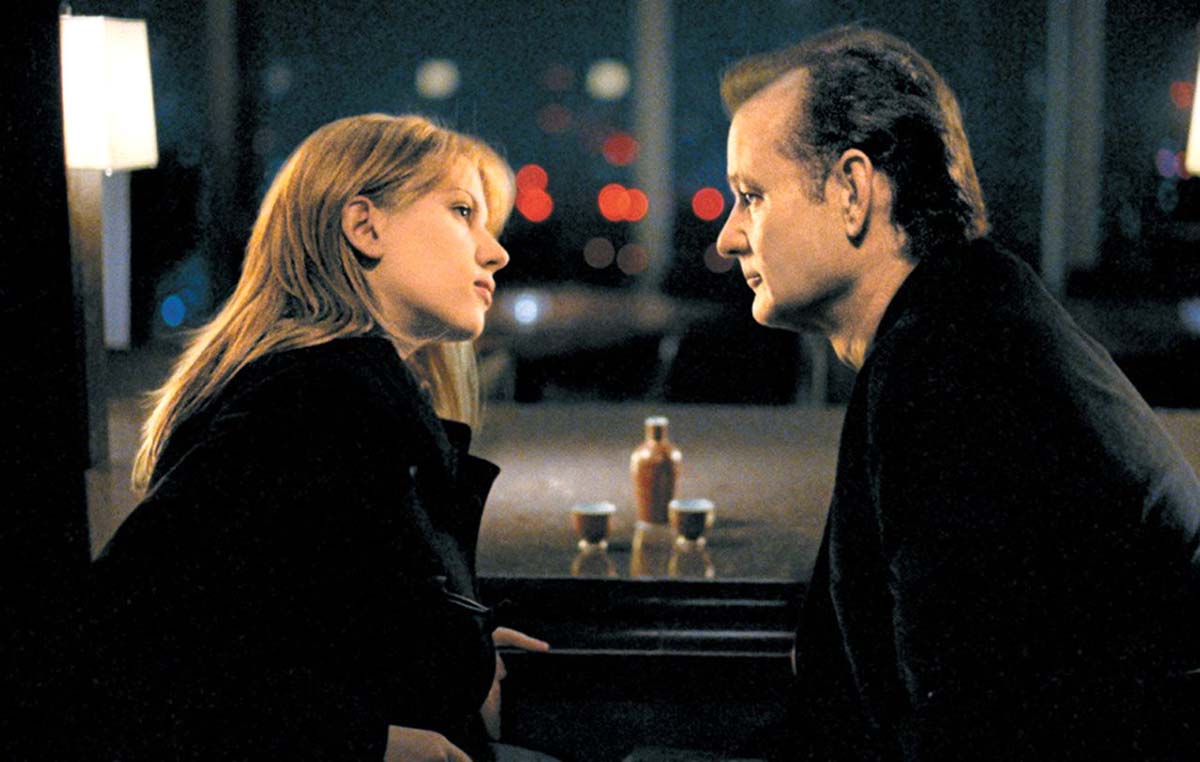
Lost in Translation (2003)
Two people meet in a foreign city, suspended between languages and obligations, and discover in each other a familiarity that feels older than the circumstances that brought them there. They move through neon nights not as lovers but as confidants in exile. The restraint is almost tender, as a mutual decision to preserve the delicacy of what exists.
What makes the longing so enduring is its transience. They know, from the beginning, that this connection cannot extend beyond the hotel lobby, beyond the duration of their stay. And precisely because it is temporary, it becomes luminous.
When they part, nothing dramatic occurs. A whisper, unheard by the audience, seals the experience. The ambiguity protects the feeling from being reduced.
Lost in Translation (2003)
Due persone si incontrano in una città straniera, sospese tra lingue e obblighi, e scoprono l’una nell’altra una familiarità che sembra più antica delle circostanze che le hanno fatte incontrare. Attraversano notti al neon non come amanti, ma come confidenti in esilio. La loro trattenutezza è quasi tenera, come una decisione reciproca di preservare la delicatezza di ciò che esiste.
Ciò che rende questo longing così duraturo è la sua transitorietà. Sanno, fin dall’inizio, che questo legame non potrà estendersi oltre la hall dell’hotel, oltre la durata del loro soggiorno. E proprio perché è temporaneo, diventa luminoso.
Quando si separano, non accade nulla di drammatico. Un sussurro, inudibile per il pubblico, sigilla l’esperienza. L’ambiguità protegge il sentimento dal rischio di essere ridotto.

Carol (2015)
Two women recognise each other not as strangers but as inevitabilities, and yet the world around them insists on interruption. What makes the longing so piercing is not prohibition alone, but timing. They meet at the precise moment when one is beginning to dissolve her former life and the other is not yet ready to claim a new one.
Their separation does not extinguish the connection, distance works like a lens, sharpening what proximity could not articulate. Letters replace touch. Memory replaces what was supposed to be lived. In this film, longing is the knowledge that something rare has occurred, and that losing it does not annul its truth. It simply makes it more exact.
_
Feelings can be real even when lived only internally. Admiration, even adoration, for someone can coexist with the maintenance of formal distance. Paradoxically, this only deepens desire.
For what we cannot consume, we tend to think about, and distance serves as fertile ground for imagination — it develops interpretations of the missing parts and gives depth to empty space.
Human psychology, especially in the realm of attraction, is in many ways paradoxical. It tends to fantasise about desires that are out of reach, entering the so-called phase of “crystallisation.” Defined by the French author Stendhal in De l’amour (1822), the beginning of love is marked by the idealisation of the other. Like a branch thrown into a salt mine that begins to glitter with crystals, in the early stages of admiration the object of love appears perfect. Similar to the idea that beauty exists in the eye of the observer, the apotheosis of someone’s qualities often becomes intertwined with their absence. For absence creates a gap that the mind instinctively tries to fill.
Carol (2015)
Due donne si riconoscono non come estranee, ma come inevitabilità, e tuttavia il mondo che le circonda insiste nell’interruzione. Ciò che rende il longing così penetrante non è solo il divieto, ma il tempismo. Si incontrano proprio nel momento in cui una sta iniziando a dissolvere la propria vita precedente e l’altra non è ancora pronta a rivendicarne una nuova.
La loro separazione non estingue il legame: la distanza agisce come una lente, rendendo più nitido ciò che la prossimità non era riuscita ad articolare. Le lettere sostituiscono il contatto. La memoria prende il posto di ciò che avrebbe dovuto essere vissuto. In questo film, il longing è la consapevolezza che qualcosa di raro è accaduto, e che perderlo non ne annulla la verità. La rende soltanto più esatta.
—
I sentimenti possono essere reali anche quando vengono vissuti soltanto interiormente. L’ammirazione, perfino l’adorazione, per qualcuno può coesistere con il mantenimento di una distanza formale. Paradossalmente, questo non fa che approfondire il desiderio.
Perché ciò che non possiamo consumare tende a occupare il pensiero, e la distanza diventa un terreno fertile per l’immaginazione: sviluppa interpretazioni delle parti mancanti e conferisce profondità allo spazio vuoto.
La psicologia umana, soprattutto nel campo dell’attrazione, è in molti modi paradossale. Tende a fantasticare su desideri fuori portata, entrando in quella che viene chiamata fase di “cristallizzazione”. Definito dall’autore francese Stendhal in De l’amour (1822), l’inizio dell’amore è segnato dall’idealizzazione dell’altro. Come un ramo gettato in una miniera di sale che inizia a brillare di cristalli, nelle prime fasi dell’ammirazione l’oggetto d’amore appare perfetto. In modo simile all’idea che la bellezza esista nell’occhio di chi guarda, l’apoteosi delle qualità di qualcuno finisce spesso per intrecciarsi con la sua assenza. Perché l’assenza crea un vuoto che la mente cerca istintivamente di colmare.