The Cities We Become

All Memories are Traces of Tears
April 7, 2026
Coolness, After Rebellion
April 28, 2026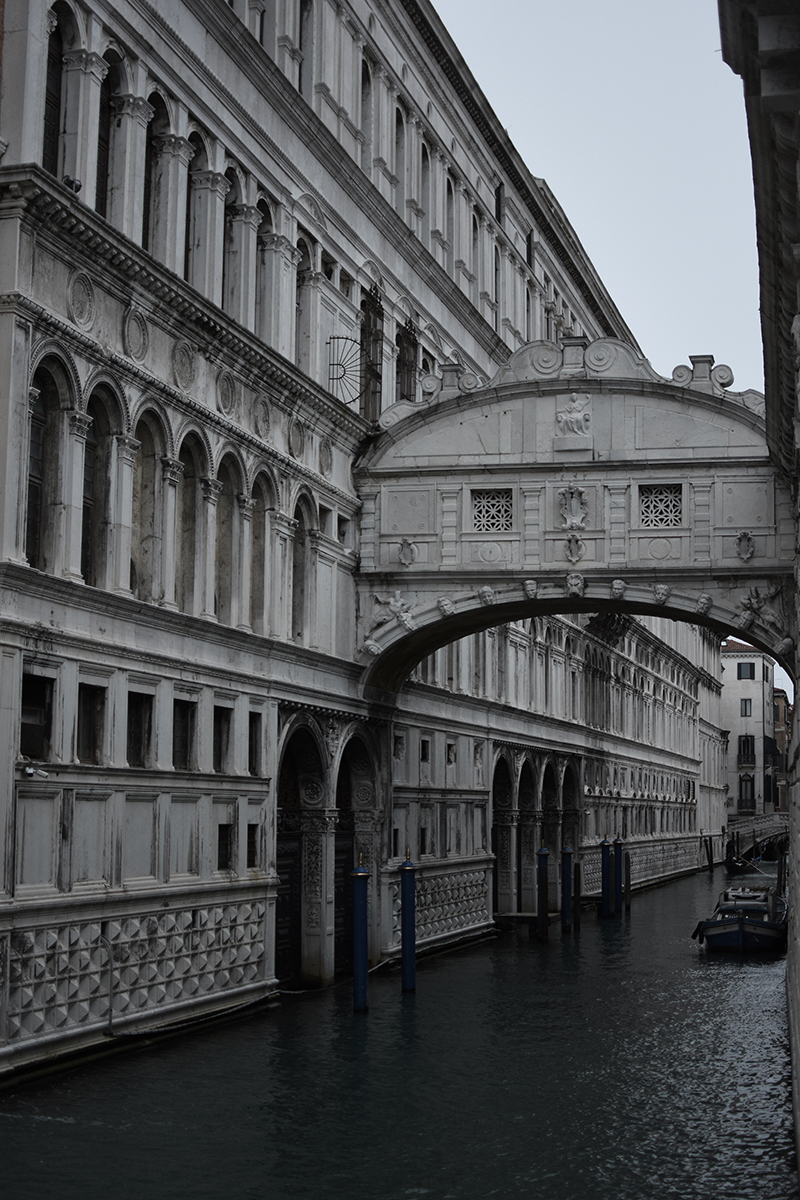
"To be away from home and yet to feel oneself everywhere at home; to see the world, to be at the centre of the world, and yet to remain hidden from the world" — Charles Baudelaire
— The experience of observing the city —
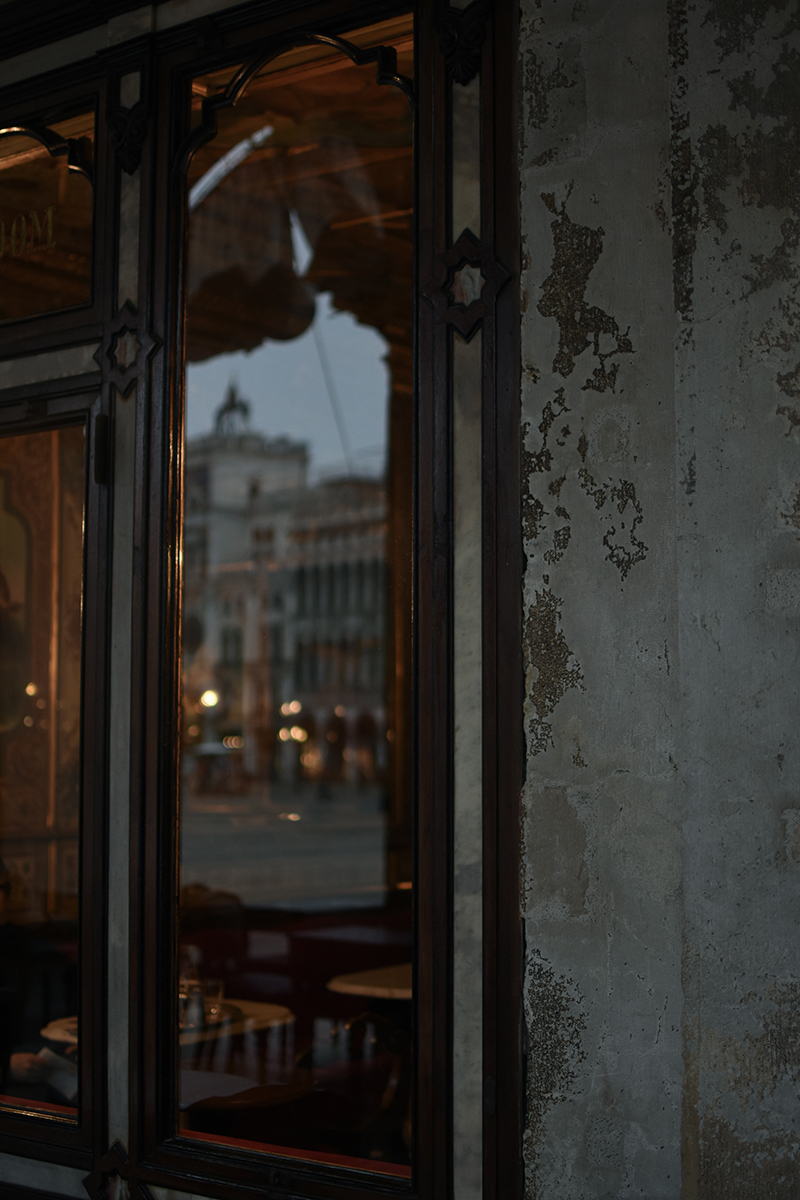
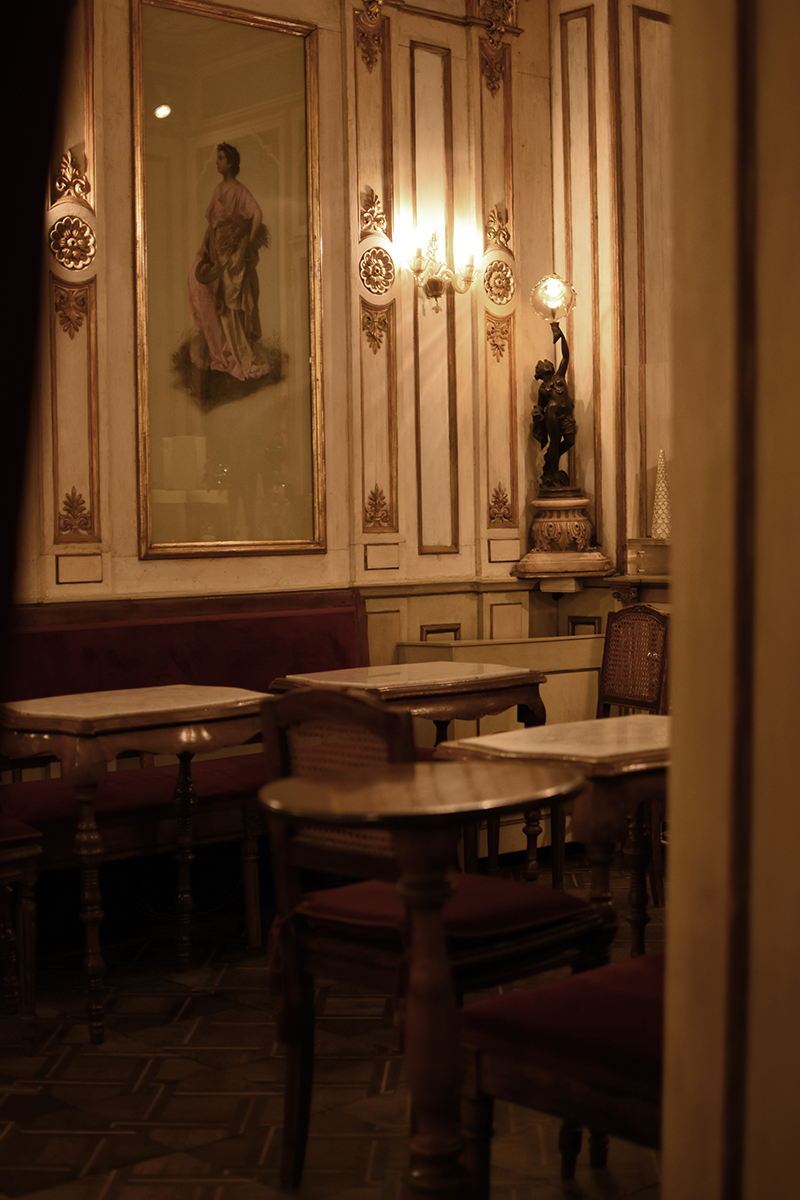
There is a certain image describing the observer of the city. A café bar in the middle of an old-soul place. A crowded hour, people rushing around. A figure of a stylish person, almost dandy-like, sitting there, writing. The movement of the city is the movement of his own mind. People passing by, even though complete strangers, are the inspiration for whatever the subject of the work might be. For the drifter’s compulsion might be oriented towards finding artistic inspiration, as well as the inner, essential one: the attempt to feel the city and to connect with it so as to explore the version of the self that exists in a particular place. The described venture is possible merely for the reason that, as much as each site carries a different culture, atmosphere, and surroundings, it provokes different kinds of identity. For the individual driven by exploration, this is, in its core, the attracting impulse to keep going until finding the one that is promising for settling with. Because, in the end, it is not occasions that keep us in a place — but the contribution of the internal fascination towards the possibility that we can develop into a certain spot.
— Etymology of the flâneur —
Flâneur (French, from flâner "saunter, lounge"), the term that would stand for vagabondo urbano. First appearing in the 19th century in Paris, articulated by French poet Charles Baudelaire, the word represented a wanderer, a detached observer of modern metropolitan life. In the age of Romanticism, it stood for the one who moves around cities, making a silent rapport with them. It mainly suggested that the flâneurs were searching for something, while, in reality, they might have been looking for a feeling: the sensation of being free, of being new, of discovering and being still unknown. Taking a look at the most famous ones, such as Gustave Caillebotte, Virginia Woolf, Giacomo Leopardi, these were artists driven by restlessness to experience life — and, by constant movement through urban areas, they were finding hidden beauty that leads towards artistic stirrings.
— Falling for the cities —
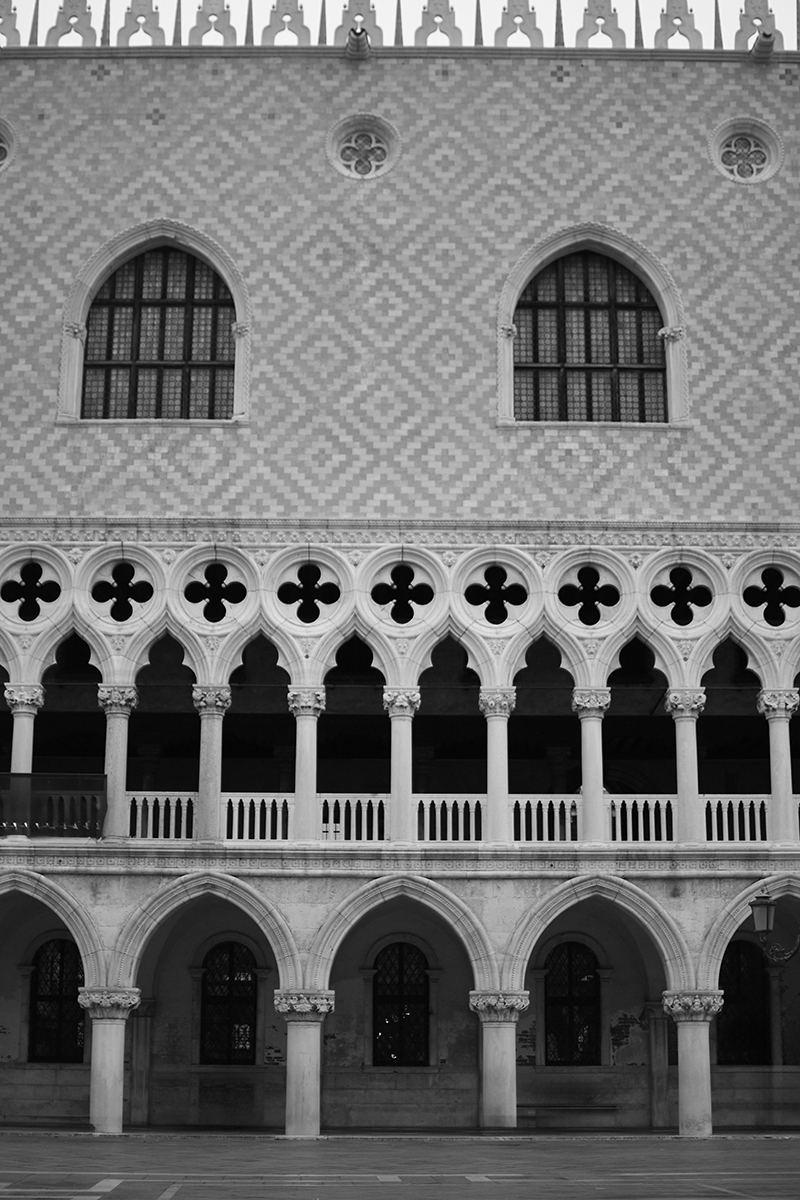
As far as known, the sentiment of falling for, even though usually associated with persons in romantic connection, can easily be reinterpreted as the sensation of sustaining a certain place. Individuals that sense the agitation to traverse are drawn to sites, maybe more than to other persons, because cities hold many secrets of the past, hidden within their modern rhythm, as well as historical artistic inheritance. Maybe the best example of this kind of town is Venice, as it embodies the modern centre of the artistic world, by hosting universally celebrated exhibitions and festivals, such as the Biennale di Venezia, while concurrently keeping the distant echo alive. By taking a walk around the city, one can really feel the past being present — and not merely a whispered influence on the current situation. There are ghosts dwelling in every historical hall, providing the impression that the artist who once lived there is still present. In this sense, a communication between epochs exists alongside canals, because lion statues and bridges still remember the souls from long ago, their conversations, and their secrets told in moments of tenderness. For someone drawn to the sensation of surroundings, as perhaps only to be expected, in wandering he finds his calm — before parting to another destination, before researching another story.
— On the secret fear —
From the most obvious perspective, a flâneur is looking for experiences that are held by fascination and sentimental imprint. He seems to be looking for constant inspiration, and for the place that provides the circumstances for the development of the best version of himself. Still, if taking a closer look, there is another layer that drives such behaviour — the fear of frivolity. Similar to Anaïs Nin’s observation:
“I must be a mermaid. I have no fear of depths and a great fear of shallow living.”
Emphasising a rejection of superficiality and a desire for intense, profound life. The same enticement is found in the motivation of the wanderer — for a certain place appears to provide the possibility to expand oneself, and, once used to the awakening of different versions of the self, quiet anxiety develops in the absence of change. The world is full of interesting individuals, cultures, art, and history that await discovery — and pretending that what is away is not uplifting would mean cutting off the great possibility of facing something different. For it is said that dawn around Asia carries a different impression from the one on the Mediterranean — yet both are precious to be held in memory. In part, what such experiences bring to the personality is the capacity to awaken characteristics, change ideals, or open a new self due to their uniqueness and diversity from the city the flâneur originates from. If taking into consideration someone such as Lord Byron, his spirit longed for the wild, and his development as artist, poet, and thinker in Greece expanded beyond what the ambience of his native England could have assigned. The world is full of possibilities — at least for those that get attached to discovery, and that are not afraid to face the unknown, or what is considered the greatest fear of all: the exit from one’s comfort zone. Experiences that, all as one, once faced, bring only motivating liberation.
— Modern role of the flâneur in contrast to travellers or tourists —
Contemporary society, at least within the last decades, has been operating on the idea of travel as a form of vacational normality. While before, the ability to visit distant shores was considered to be a privilege, with the rise of the middle class and especially social media, the world has become a common place, and the desire for a jet-setter lifestyle has appeared to be reachable with easy flights and escapism ideology. However, such a cultural change has closed the circle of the flâneur image once again: leaving the ache for wanderlust far from the one of slipping away from one’s life. The person looking to enter a dream, or paradise in an exotic place during a two-week vacation, is slightly different from the one moving around, looking for the satisfaction of unsettledness. The main distinction lies precisely in the inner love towards discovery — for the flâneur’s longing is oriented towards a feeling, towards yearning that might never be found or satisfied in the concrete sense. But, as it usually happens, it is the inner orientation towards it that produces personality, and it is the behaviour of such that later writes stories.
— The cities that call for staying —
In such an occasion of constant wandering, what is he looking for?
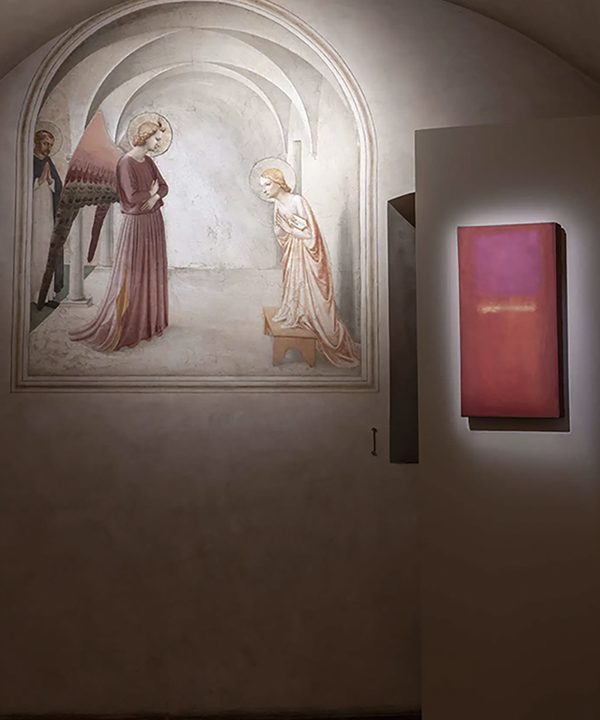
It might be the fascination with the past, or the feeling of constant revelation due to both heritage and the actual habits of the spot. Yet, it is somehow historical richness that tends to occupy one’s thoughts more often than pure novelty. With that in mind, places such as Florence, Rome, Vienna, Paris, or even villages from Provence, by simply walking down the street at night, allow conversation with spirits from the past that wander their empty corners, telling stories of the influence that one era has over another. These are the cities that remind us that art is still alive, that it keeps breathing not only on the walls of museums, but rather in the incentive that motivates the artist to create. As muses were historically tied to women inspiring male masters, with the breeze of modernity where gender plays less role, the term is closer to the feeling-tone given by various stimuli. And, as seen in the ongoing development of the field, it is within city streets that the past, being melted with the present, keeps inspiration for expression alive.
And so the question returns — what is he looking for?
Perhaps the answer was always simpler than the search suggested. Not a place, not even an experience. But the particular version of himself that a certain city, a certain light, a certain rhythm of life makes possible. Some cities do not merely inspire, as they make available a self that the familiar city, with all its accumulated history and expectation, keeps quietly suppressed. The flâneur does not wander because he is lost. He wanders because he has understood something most people spend a lifetime avoiding — that we are not one self, but many, and that some of those selves can only be found by leaving. At the end, it is not the city that we fall in love with. It is the version of us that, in that particular light, on that particular street, finally felt possible.
Italian below
"Essere fuori casa e tuttavia sentirsi ovunque a casa; vedere il mondo, essere al centro del mondo, eppure rimanere nascosti al mondo" — Charles Baudelaire
— L’esperienza di osservare la città —
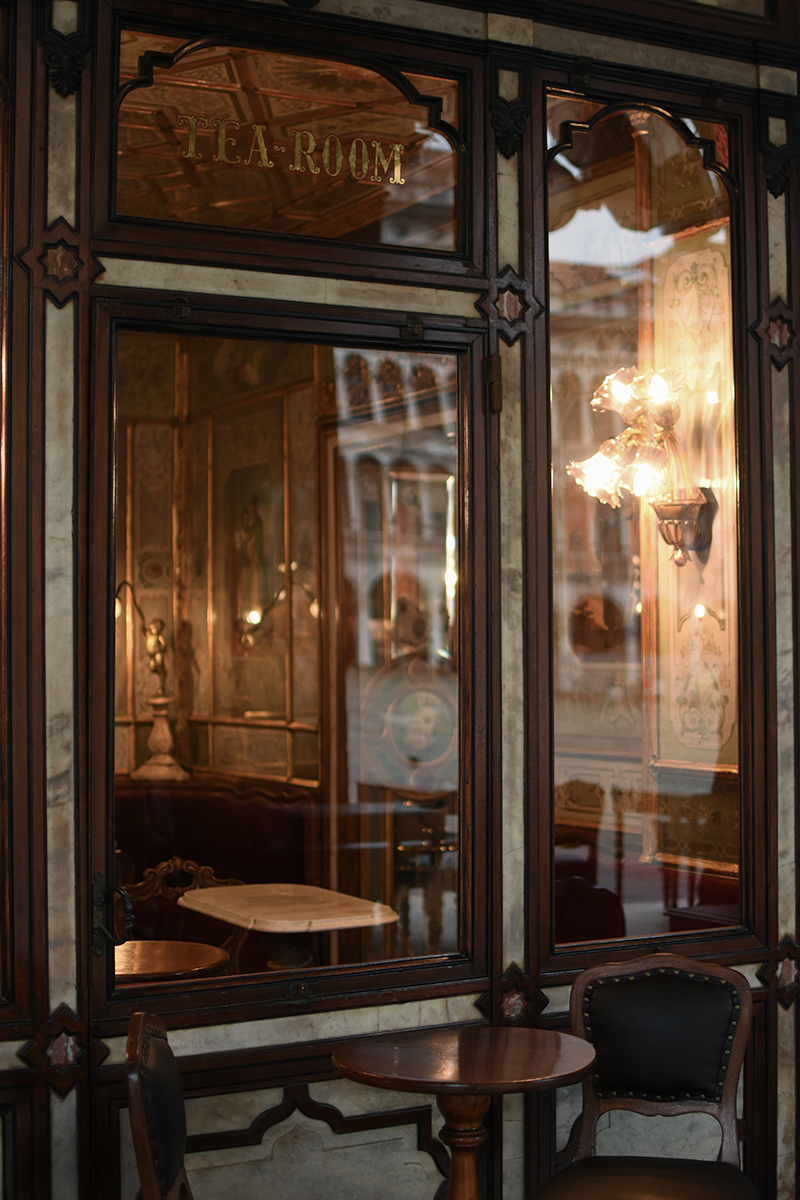
Esiste una certa immagine che descrive l’osservatore della città. Un caffè nel cuore di un luogo dall’anima antica. L’ora di punta, la folla che scorre in fretta. La figura di una persona elegante, quasi dandy, seduta a scrivere. Il movimento della città è il movimento stesso della sua mente. Le persone che passano, pur essendo perfette sconosciute, diventano l’ispirazione per qualunque sia il soggetto del suo lavoro. Poiché l’impulso del viandante può essere orientato tanto verso la ricerca di ispirazione artistica quanto verso quella più interiore ed essenziale: il tentativo di sentire la città e di connettersi ad essa, per esplorare la versione di sé che esiste in un luogo particolare. L’avventura descritta è possibile proprio perché, così come ogni luogo porta con sé una cultura diversa, un’atmosfera e un contesto specifico, esso provoca anche differenti forme di identità. Per l’individuo mosso dall’esplorazione, questo è, nella sua essenza, l’impulso più attraente: continuare a muoversi fino a trovare quel luogo che promette di poter essere abitato. Perché, alla fine, non sono le occasioni a trattenerci in un posto, ma il contributo di una fascinazione interiore verso la possibilità di diventare qualcosa in quel preciso spazio.
— Etimologia del flâneur —
Flâneur (francese, da flâner, “bighellonare”, “passeggiare senza meta”), termine che potrembbe corrispondere a vagabondo urbano. Apparso per la prima volta nella Parigi del XIX secolo e articolato da Charles Baudelaire, il termine rappresentava un viandante, un osservatore distaccato della vita metropolitana moderna. Nell’età del Romanticismo, indicava colui che si muoveva attraverso la città instaurando con essa un rapporto silenzioso. Suggeriva soprattutto che i flâneur stessero cercando qualcosa, mentre in realtà potevano essere alla ricerca di una sensazione: il sentimento della libertà, della novità, dello scoprire e dell’essere ancora sconosciuti. Guardando ai più celebri, come Gustave Caillebotte, Virginia Woolf, Giacomo Leopardi, si trattava di artisti mossi da un’inquietudine verso l’esperienza della vita — e, attraverso il continuo movimento negli spazi urbani, trovavano quella bellezza nascosta che conduceva al risveglio artistico.
— Innamorarsi delle città —
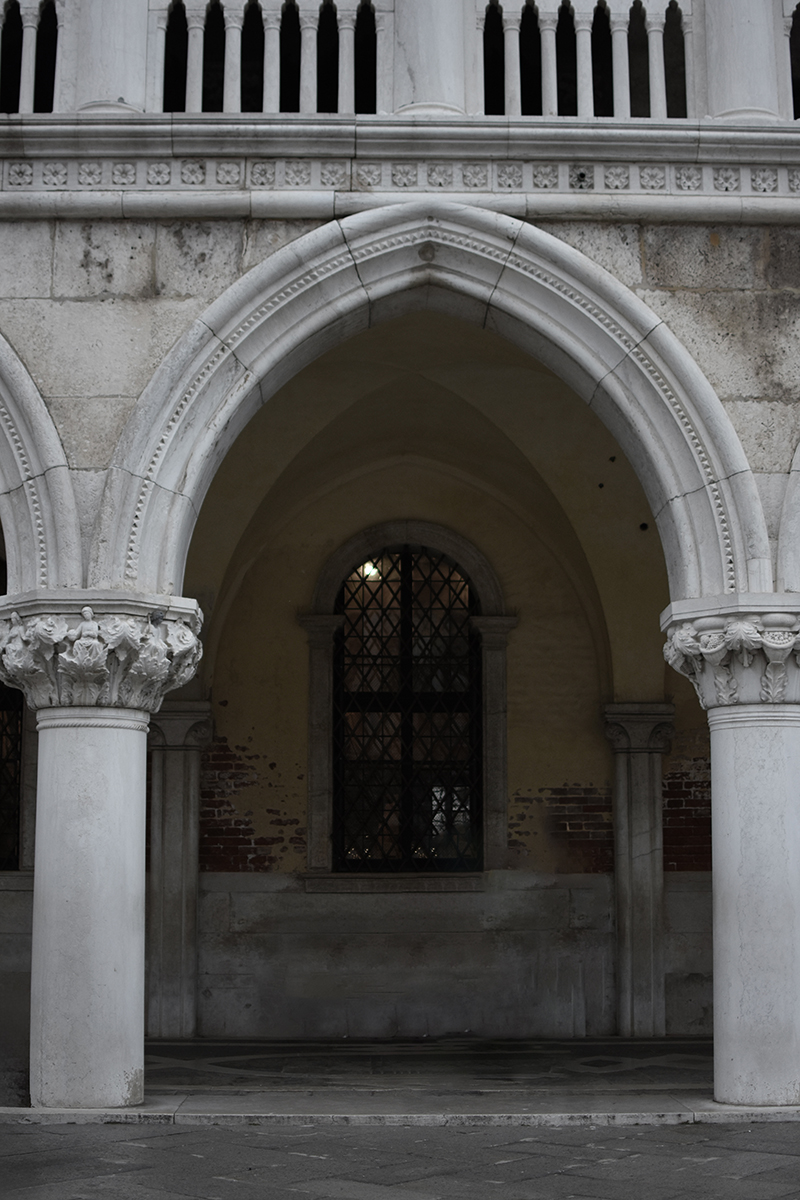
Per quanto noto, il sentimento dell’“innamorarsi”, sebbene normalmente associato alle persone e alle relazioni romantiche, può facilmente essere reinterpretato come la sensazione di appartenere a un luogo. Gli individui che avvertono l’agitazione del partire sono attratti dai luoghi, forse più che dalle persone, perché le città custodiscono molti segreti del passato, nascosti dentro il loro ritmo moderno, così come un’eredità artistica e storica. Forse il miglior esempio di questo tipo di città è Venezia — essa incarna il centro moderno del mondo artistico, ospitando manifestazioni universalmente celebrate come la Biennale di Venezia, mentre contemporaneamente mantiene vivo l’eco distante del passato. Passeggiando per la città, si può davvero percepire il passato come presente — e non soltanto come un’influenza sussurrata sulla condizione attuale. Ci sono fantasmi che abitano ogni sala storica, offrendo l’impressione che l’artista che un tempo vi ha vissuto sia ancora lì. In questo senso, lungo i canali esiste una comunicazione tra epoche — perché i leoni di pietra e i ponti ricordano ancora le anime di molto tempo fa, le loro conversazioni, i loro segreti raccontati nei momenti di tenerezza. Per chi è attratto dalla sensazione dei luoghi, come forse è naturale che sia, nel vagare trova la propria calma — prima di partire verso un’altra destinazione, prima di inseguire un’altra storia.
— Sulla paura segreta —
Dalla prospettiva più evidente, un flâneur cerca esperienze guidate dalla fascinazione e dall’impronta sentimentale. Sembra cercare un’ispirazione costante e il luogo che offra le circostanze per lo sviluppo della migliore versione di sé. Eppure, osservando più da vicino, esiste un altro strato che guida questo comportamento — la paura della superficialità. Simile all’osservazione di Anaïs Nin:
"Devo essere una sirena. Non ho paura delle profondità e ho una grande paura di una vita superficiale."
Un’affermazione che sottolinea il rifiuto della superficialità e il desiderio di una vita intensa e profonda. La stessa attrazione si ritrova nella motivazione del viandante — poiché un certo luogo sembra offrire la possibilità di espandere se stessi, e, una volta abituati al risveglio di differenti versioni del sé, si sviluppa una silenziosa inquietudine in assenza del cambiamento. Il mondo è pieno di individui interessanti, culture, arte e storia che attendono di essere scoperti — e fingere che ciò che è lontano non sia capace di elevarci significherebbe rinunciare alla grande possibilità di incontrare qualcosa di diverso. Si dice che l’alba in Asia abbia un’impressione diversa da quella del Mediterraneo — eppure entrambe meritano di essere custodite nella memoria. In parte, ciò che queste esperienze portano alla personalità è la capacità di risvegliare caratteristiche, modificare ideali, o aprire un nuovo sé proprio grazie alla loro unicità e alla loro distanza dalla città d’origine del flâneur. Se si prende in considerazione qualcuno come Lord Byron, il suo spirito desiderava il selvaggio, e il suo sviluppo come artista, poeta e pensatore in Grecia si espanse oltre ciò che l’atmosfera della sua nativa Inghilterra avrebbe potuto concedergli. Il mondo è pieno di possibilità — almeno per coloro che si affezionano alla scoperta e che non hanno paura di affrontare l’ignoto, o ciò che viene considerato la più grande delle paure: l’uscita dalla propria zona di comfort. Esperienze che, tutte insieme, una volta vissute, portano soltanto una liberazione motivante.
— Il ruolo moderno del flâneur in contrasto con viaggiatori e turisti —
La società contemporanea, almeno negli ultimi decenni, ha operato sull’idea del viaggio come forma di normalità vacanziera. Se prima la possibilità di visitare rive lontane era considerata un privilegio, con l’ascesa della classe media e soprattutto dei social media, il mondo è diventato un luogo comune, e il desiderio di uno stile di vita da jet-setter è apparso raggiungibile attraverso voli facili e un’ideologia dell’evasione. Tuttavia, proprio questo cambiamento culturale ha chiuso ancora una volta il cerchio dell’immagine del flâneur: separando profondamente il desiderio autentico del vagabondare da quello di fuggire semplicemente dalla propria vita. La persona che cerca di entrare in un sogno, o in un paradiso esotico durante una vacanza di due settimane, è leggermente diversa da colui che si muove continuamente alla ricerca della soddisfazione dell’inquietudine. La distinzione principale risiede precisamente nell’amore interiore verso la scoperta — poiché il desiderio del flâneur è orientato verso una sensazione, verso una nostalgia che forse non sarà mai trovata o soddisfatta in senso concreto. Ma, come spesso accade, è proprio l’orientamento interiore verso quel desiderio a produrre la personalità, ed è il comportamento che ne deriva a scrivere, più tardi, le storie.
— Le città che chiedono di restare —
In una tale condizione di continuo vagare, che cosa sta cercando?
Potrebbe essere la fascinazione per il passato, oppure il sentimento di rivelazione costante dato tanto dall’eredità storica quanto dalle abitudini vive del luogo. Eppure, è in qualche modo la ricchezza storica a occupare più spesso i pensieri rispetto alla pura novità. Con questo in mente, luoghi come Florence, Rome, Vienna, Paris, o persino i villaggi della Provence, semplicemente camminando per strada di notte, permettono una conversazione con gli spiriti del passato che abitano i loro angoli vuoti, raccontando storie dell’influenza che un’epoca esercita sull’altra. Sono queste le città che ci ricordano che l’arte è ancora viva, che continua a respirare non soltanto sulle pareti dei musei, ma soprattutto nell’impulso che spinge l’artista a creare. Se storicamente le muse erano legate alle donne che ispiravano i grandi maestri uomini, con il vento della modernità, dove il genere ha meno importanza, il termine si avvicina di più al tono emotivo offerto dai diversi stimoli. E, come si vede nello sviluppo continuo del campo artistico, è proprio nelle strade della città che il passato, sciogliendosi nel presente, mantiene viva l’ispirazione per l’espressione.
E allora la domanda ritorna: che cosa sta cercando?
Forse la risposta è sempre stata più semplice della ricerca stessa. Non un luogo, e nemmeno un’esperienza. Ma quella particolare versione di sé che una certa città, una certa luce, un certo ritmo di vita rendono possibile. Alcune città non si limitano a ispirare, ma rendono accessibile un sé che la città familiare, con tutta la sua storia accumulata e le sue aspettative, tiene silenziosamente represso. Il flâneur non vaga perché si è perso. Vaga perché ha compreso qualcosa che la maggior parte delle persone passa una vita intera a evitare: che non siamo un solo sé, ma molti, e che alcune di quelle versioni possono essere trovate soltanto andandosene. Alla fine, non è della città che ci innamoriamo. È della versione di noi che, in quella particolare luce, in quella particolare strada, finalmente è sembrata possibile.