Man Ray and the Invention of the Unreal

The Diamond Beneath the Dust
November 5, 2025
Wild Leaves
November 16, 2025
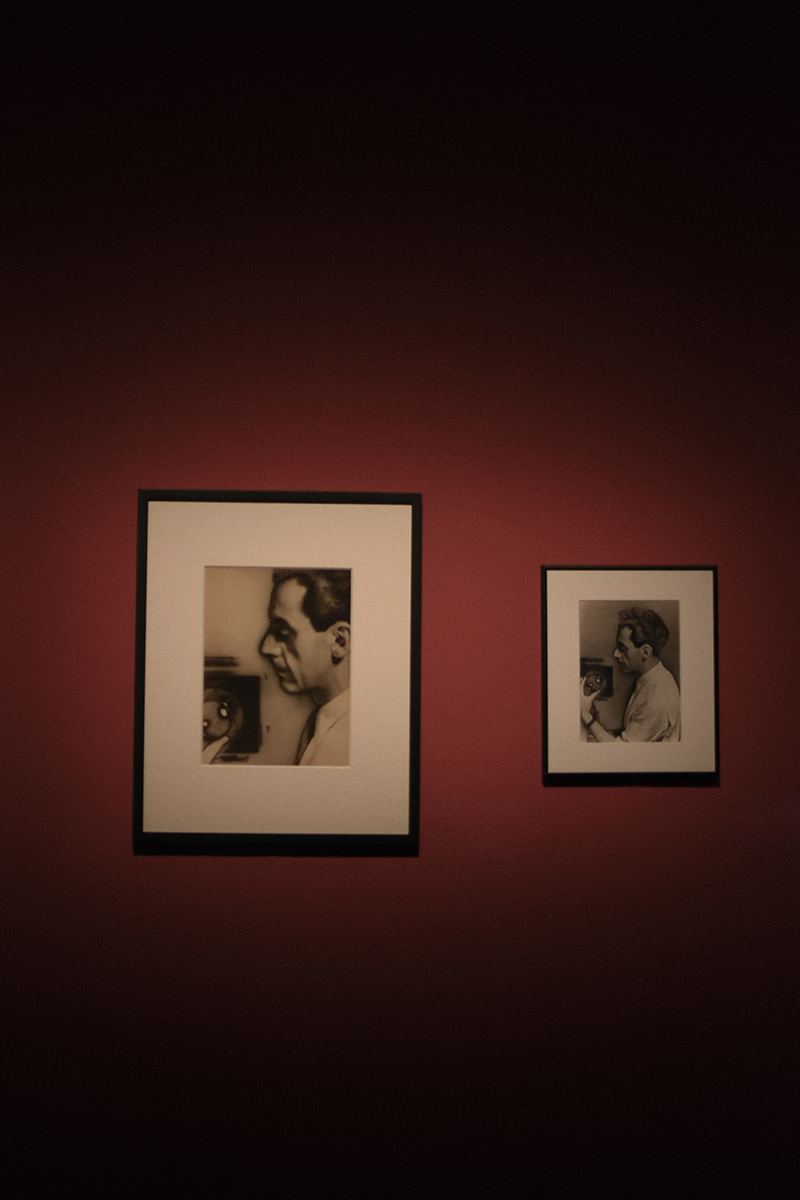
The lives and minds of the artists aligned with what is called Surrealism carry a fascination of their own. The ability to translate dreams into visual form and to render the subconscious intelligible made that period so magnetic. The twentieth century is remembered as an age of artistic explosion and social liberation, yet the distorted figures of time and the absurdity of its imagery continue to challenge our sense of reality: what is visible, and what is imagined. If an image can exist so vividly in the mind, does it not possess its own kind of reality?
Dreams, and therefore thoughts and ideas, are born of the same neural impulses that generate our sensory experiences. Perhaps what we imagine is as formative to our inner life as what we see. This fascination with the obscure architecture of the mind gave rise to some of the century’s most iconic works, such as Salvador Dalí’s The Persistence of Memory (1931) and René Magritte’s Golconda (1953). The canvas and colour, being free of any external interruption, offered the perfect stage for the imaginary, containing no limits on what could be created. Yet when the Surrealists encountered photography, they faced a new contradiction: how to transform a medium bound to reality into a portal for what lies beyond it.
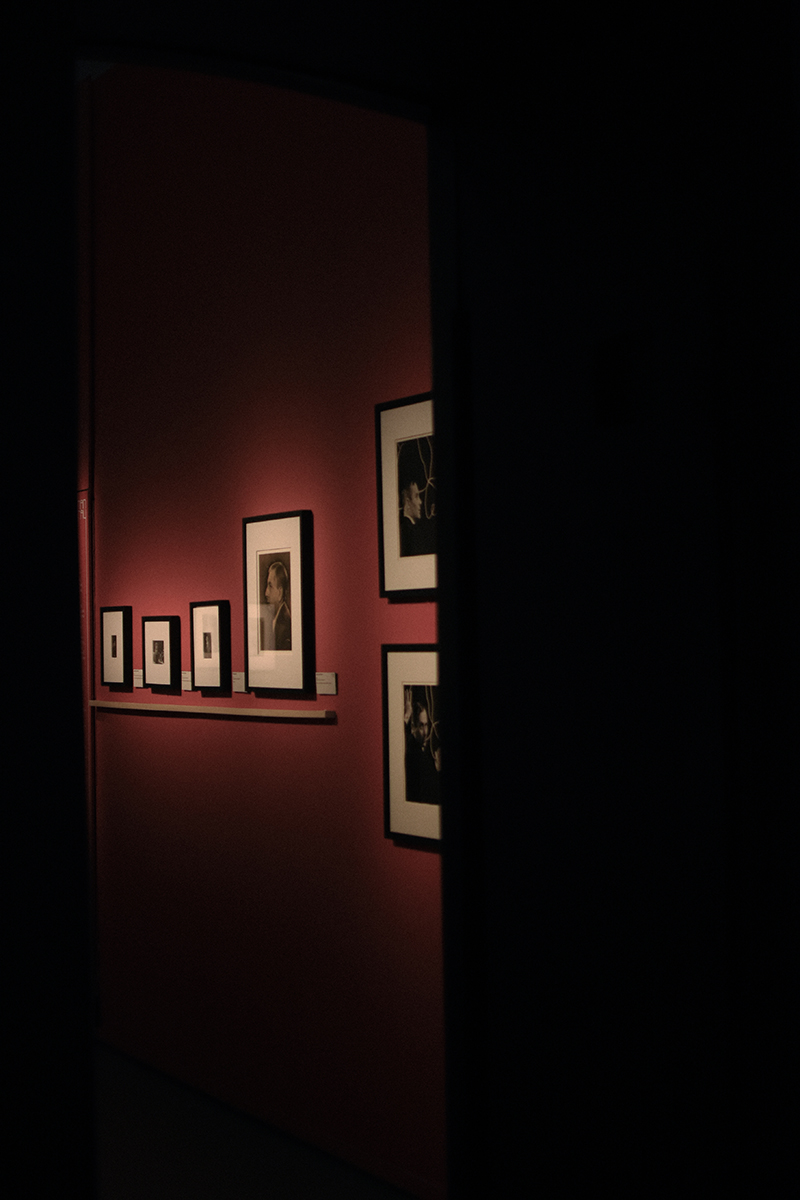
Man Ray, as a foundational Surrealist artist, used the mechanical eye of the camera as an instrument of the subconscious. By rejecting the notion that photography must document, he sought instead to invent through it, relying on experimental techniques such as solarization and rayographs. The result was a series of stills of imagination, proving that the photograph could carry the same poetic ambiguity as a painting or a dream.
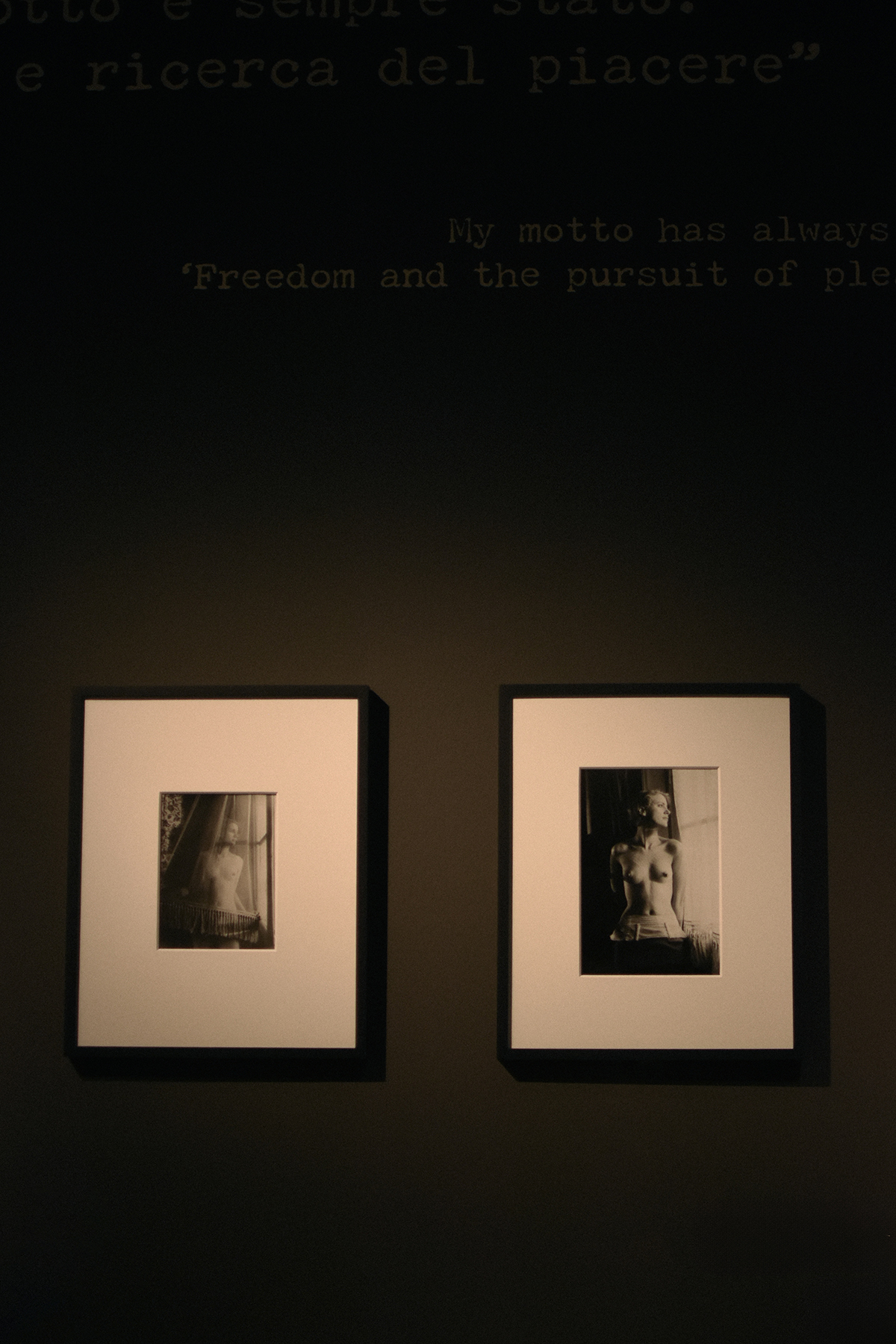
What intrigues most is his interaction with people: the muses and contemporaries he photographed. Rather than capturing them as they appeared in society, he depicted them as they allowed themselves to appear within an intimate space. This is why his portraits feel less like documents and more like confidences. With Lee Miller, Kiki de Montparnasse, and Dora Maar, beauty became secondary. Man Ray collaborated with their minds, allowing them to become actresses, directors, living “characters”: co-authors of their image. Their slightly distant gaze suggests an awareness of being seen, and, together with it, an ongoing play they themselves were leading.
In the observation that photography is no longer merely a record of the external world but an extension of the internal one, a question is born between lens and subject:
Do we see others as they are, or as who they appear to be?
When looking at the portraits of people taken by artists, it is the dialogue on its own that is born within the gaze. What we are facing there is the model as he was and how he pretended to be, the projection onto him made by artists himself, and, naturally, the observer’s impression. For when looking at the photograph, and art in general, it is within the public that the meaning is born. We tend to look for our own emotions and memories in everything that is around us, for it is our world within us that shapes our surrounding.
Thinkers such as Walter Benjamin and Jacques Lacan later theorized this phenomenon: meaning does not reside inherently within the image but is activated through its reception. The artwork, incomplete at the moment of its creation, is completed in the gaze of the viewer. When the onlooker looks at a photograph, they are already implicated in a visual field arranged in advance. The image appears to ask for interpretation while simultaneously resisting it. There is always a remainder, an element that cannot be fully understood or explained, nor reduced to personality, beauty, or historical context. It is this remainder that anchors desire. The observer senses that the image contains more than it reveals, and it is precisely this imbalance that activates the impulse to explain. In this sense, the image “looks back.” Meaning arises when the witness becomes aware that something in the picture resists full possession, that something exceeds conscious understanding.
In Man Ray’s portraits, this resistance is deliberate. The absent gaze of his muses places a veil over their psychological comprehension, leaving a perfect stage for a dual dialogue: the analysis of the subject and the self-reflection of the audience. Something essential is missing, and it is this absence that anchors attention. As has long been known, human nature is drawn to what remains unresolved.
Being the mirror of one other, art and life, in modern times, are all about communication. Once the mythology has been cleared out, the attention has turned towards philosophical understanding of the idea itself, opening the new aspect of the word’s perception.
Le vite e le menti degli artisti associati a ciò che chiamiamo Surrealismo esercitano un fascino autonomo. La capacità di tradurre i sogni in forma visiva e di rendere intellegibile il subconscio ha reso quel periodo così magnetico. Il Novecento viene ricordato come un’epoca di esplosione artistica e di liberazione sociale, eppure le figure distorte del tempo e l’assurdità delle sue immagini continuano a mettere in discussione il nostro senso della realtà: ciò che è visibile e ciò che è immaginato. Se un’immagine può esistere con tale vividezza nella mente, non possiede forse una propria forma di realtà?
I sogni, e dunque i pensieri e le idee, nascono dagli stessi impulsi neurali che generano le nostre esperienze sensoriali. Forse ciò che immaginiamo è altrettanto formativo per la nostra vita interiore quanto ciò che vediamo. Questa fascinazione per l’architettura oscura della mente ha dato origine ad alcune delle opere più iconiche del secolo, come La persistenza della memoria (1931) di Salvador Dalí e Golconda (1953) di René Magritte. La tela e il colore, liberi da qualsiasi interferenza esterna, offrivano il palcoscenico ideale per l’immaginario, senza limiti a ciò che poteva essere creato. Quando però i surrealisti si confrontarono con la fotografia, emerse un nuovo paradosso: come trasformare un medium legato alla realtà in un varco verso ciò che la oltrepassa.
Man Ray, artista fondativo del Surrealismo, utilizzò l’occhio meccanico della macchina fotografica come strumento del subconscio. Rifiutando l’idea che la fotografia dovesse documentare, cercò invece di inventare attraverso di essa, affidandosi a tecniche sperimentali come la solarizzazione e i rayographs. Il risultato fu una serie di immagini come fotogrammi dell’immaginazione, capaci di dimostrare che la fotografia poteva contenere la stessa ambiguità poetica di un dipinto o di un sogno.
Ciò che più affascina è il suo rapporto con le persone: le muse e i contemporanei che fotografò. Piuttosto che ritrarli così come apparivano nella società, Man Ray li rappresentò per come si concedevano di apparire all’interno di uno spazio intimo. È per questo che i suoi ritratti sembrano meno documenti e più confidenze. Con Lee Miller, Kiki de Montparnasse e Dora Maar, la bellezza diventa secondaria. Man Ray collaborava con le loro menti, permettendo loro di diventare attrici, registe, “personaggi” viventi: co-autrici della propria immagine. Il loro sguardo leggermente distante suggerisce la consapevolezza di essere viste e, insieme, il gioco continuo che erano loro stesse a guidare.
Nell’osservazione che la fotografia non è più soltanto una registrazione del mondo esterno, ma un’estensione di quello interiore, nasce una domanda nello spazio tra obiettivo e soggetto:
Vediamo gli altri per ciò che sono, o per ciò che sembrano essere?
Quando osserviamo i ritratti di persone realizzati da artisti, è nel dialogo che nasce all’interno dello sguardo che si produce il senso. Ci troviamo di fronte al modello per come era e per come ha scelto di apparire, alla proiezione operata dall’artista e, inevitabilmente, all’impressione dell’osservatore. Perché è nel pubblico che, guardando una fotografia, e l’arte in generale, il significato prende forma. Tendiamo a cercare le nostre emozioni e i nostri ricordi in tutto ciò che ci circonda, poiché è il mondo che portiamo dentro a plasmare quello che percepiamo fuori.
Pensatori come Walter Benjamin e Jacques Lacan hanno successivamente teorizzato questo fenomeno: il significato non risiede intrinsecamente nell’immagine, ma si attiva attraverso la sua ricezione. L’opera, incompleta al momento della sua creazione, si compie nello sguardo dello spettatore. Quando l’osservatore guarda una fotografia, è già implicato in un campo visivo predisposto in anticipo. L’immagine sembra chiedere un’interpretazione, mentre allo stesso tempo la respinge. Esiste sempre un resto, un elemento che non può essere pienamente compreso o spiegato, né ridotto alla personalità, alla bellezza o al contesto storico. È questo resto ad ancorare il desiderio. L’osservatore avverte che l’immagine contiene più di quanto riveli, ed è proprio questo squilibrio ad attivare l’impulso a spiegare. In questo senso, l’immagine “guarda indietro”. Il significato emerge quando chi osserva si rende conto che qualcosa nell’immagine resiste al possesso, che qualcosa eccede la comprensione cosciente.
Nei ritratti di Man Ray questa resistenza è deliberata. Lo sguardo assente delle sue muse pone un velo sulla loro comprensione psicologica, creando il palcoscenico ideale per un duplice dialogo: l’analisi del soggetto e l’autoriflessione del pubblico. Qualcosa di essenziale manca, ed è proprio questa assenza ad ancorare l’attenzione. Come è noto da tempo, la natura umana è attratta da ciò che rimane irrisolto.
Specchio l’una dell’altra, arte e vita, nella modernità, ruotano attorno alla comunicazione. Una volta dissolta la mitologia, l’attenzione si è spostata verso una comprensione filosofica dell’idea in sé, aprendo una nuova dimensione della percezione del mondo.