The Diamond Beneath the Dust

On the Privilege of Starting Alone
October 1, 2025
Man Ray and the Invention of the Unreal
November 11, 2025Edith Aldewereld on self-discovery, love, and the courage to become who you have always been
Before we enter her programs, we must understand her metaphors. Before we speak of coaching, we must speak of identity. Because Edith’s work is not to advise in classical sense, as it is to remember and to come back to the essence. She does not tell people who they should be, or what they should do. She removes the dust they have gathered trying to please everyone else.
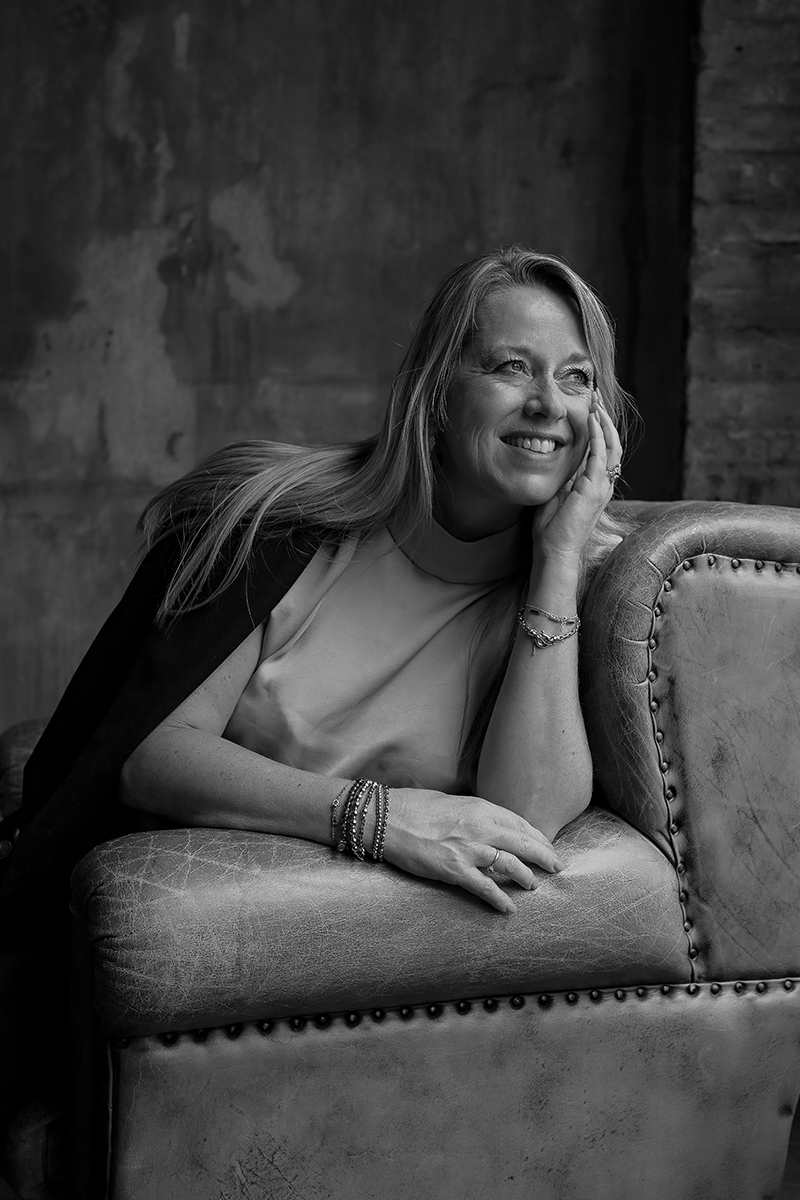
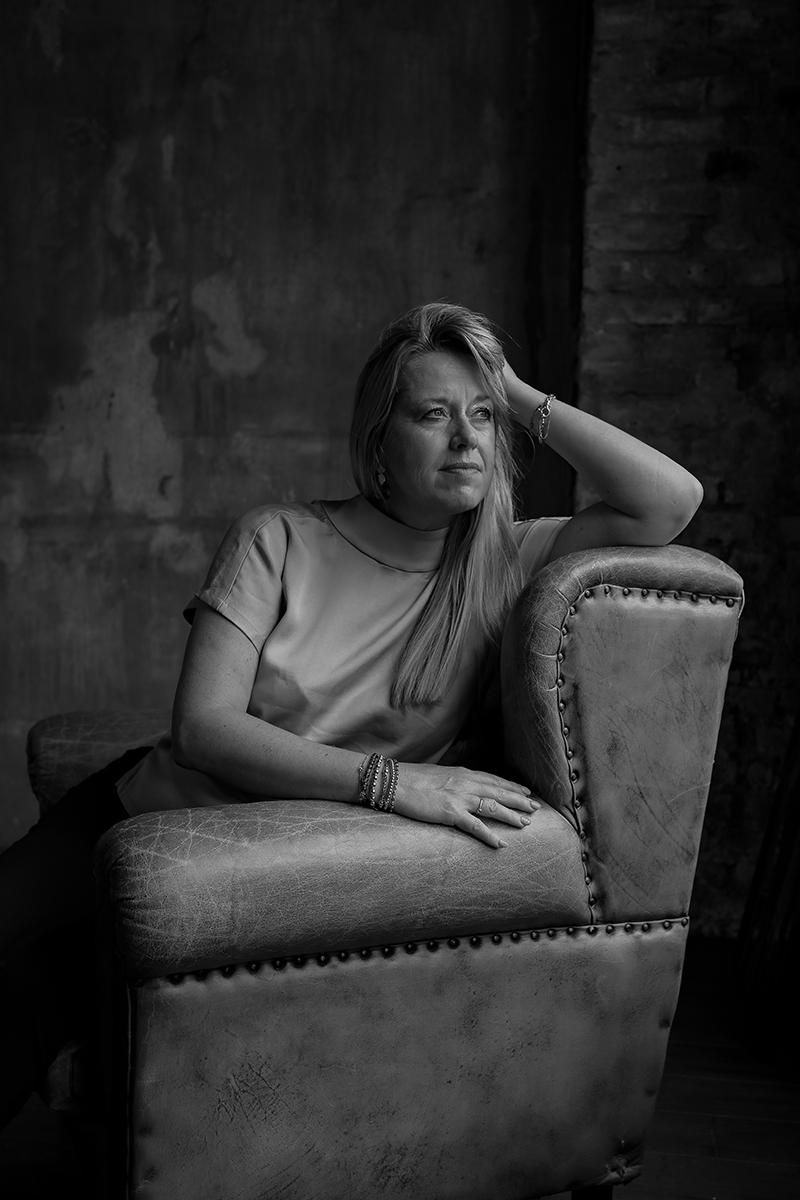
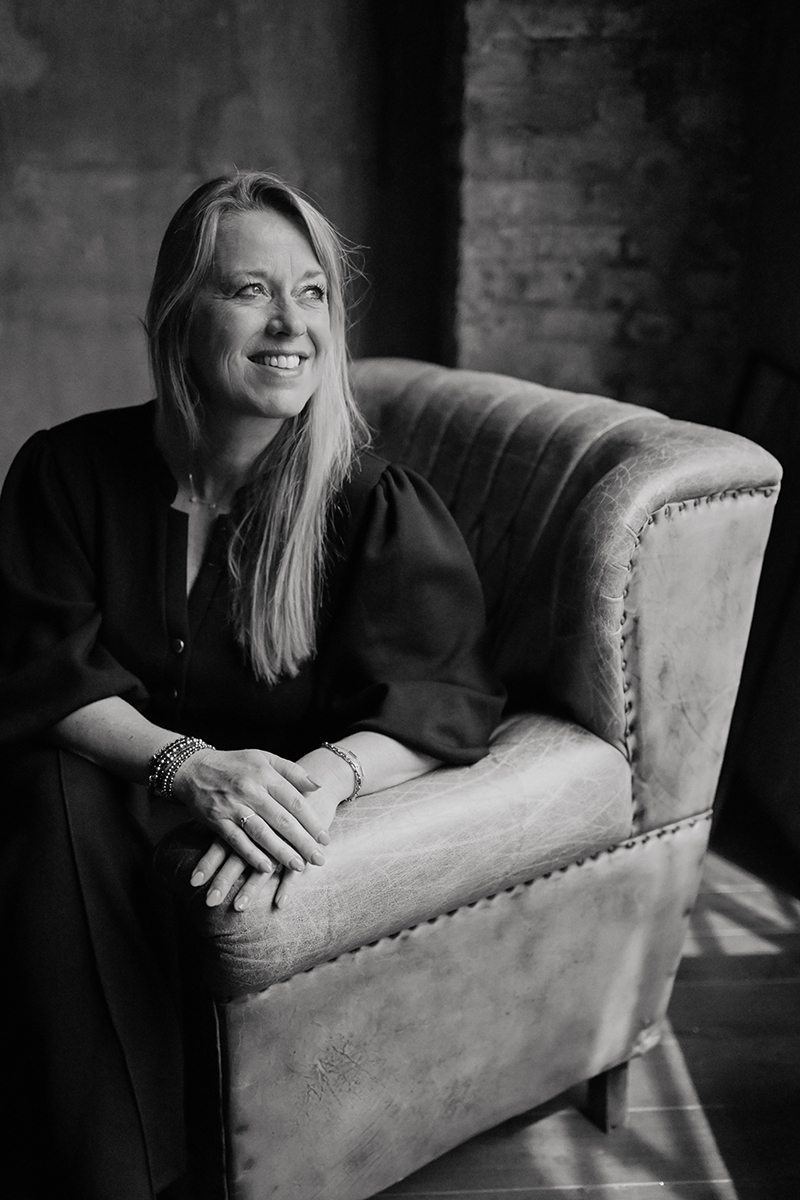
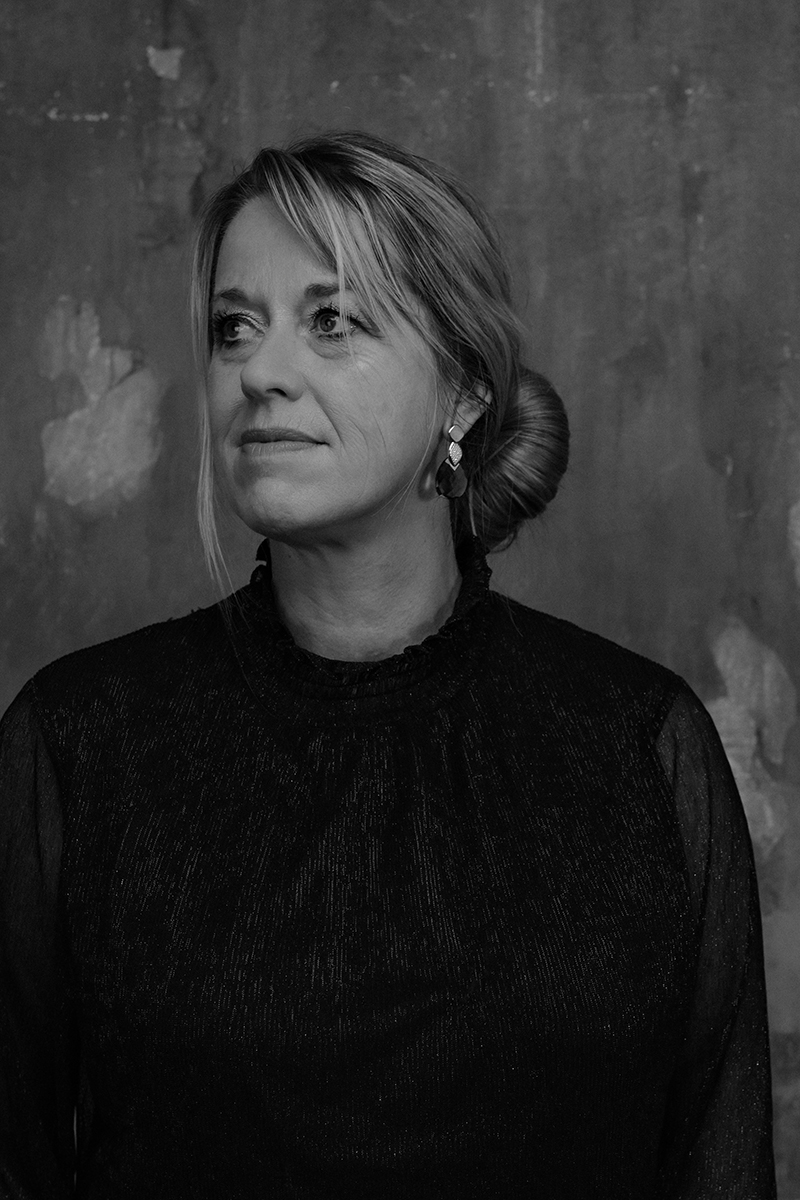
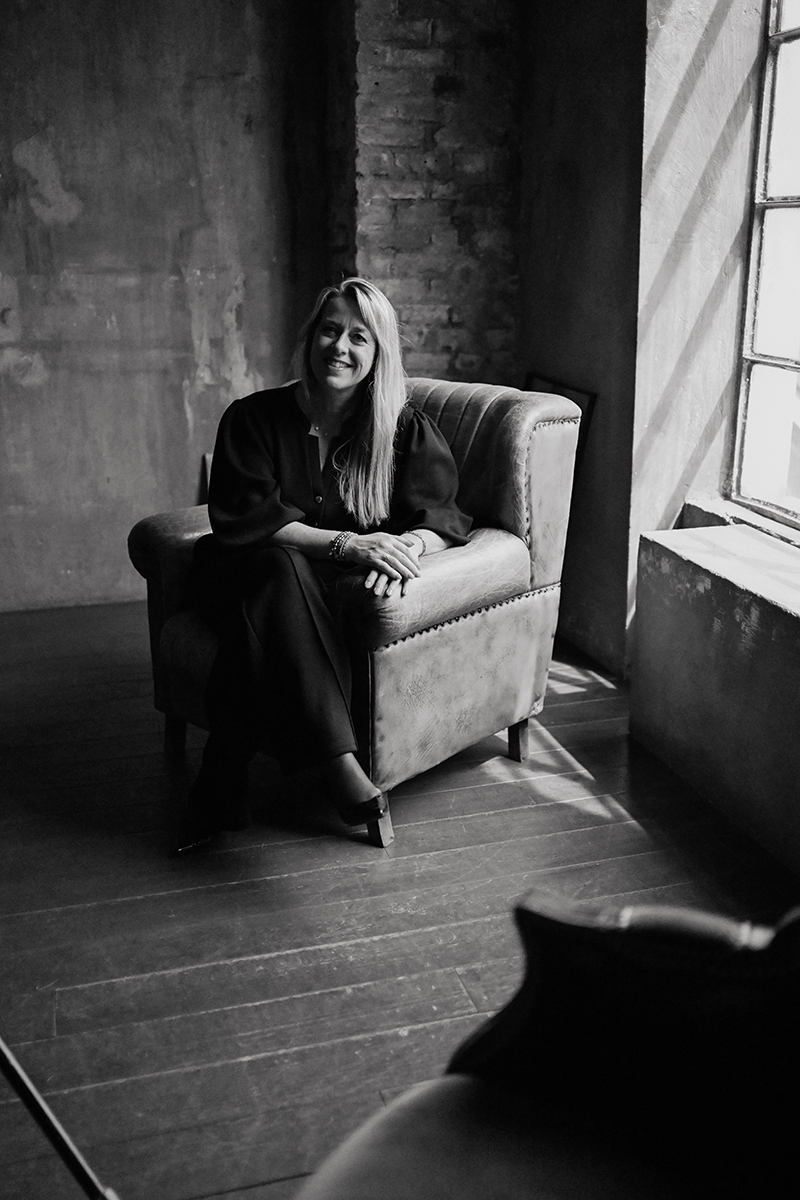
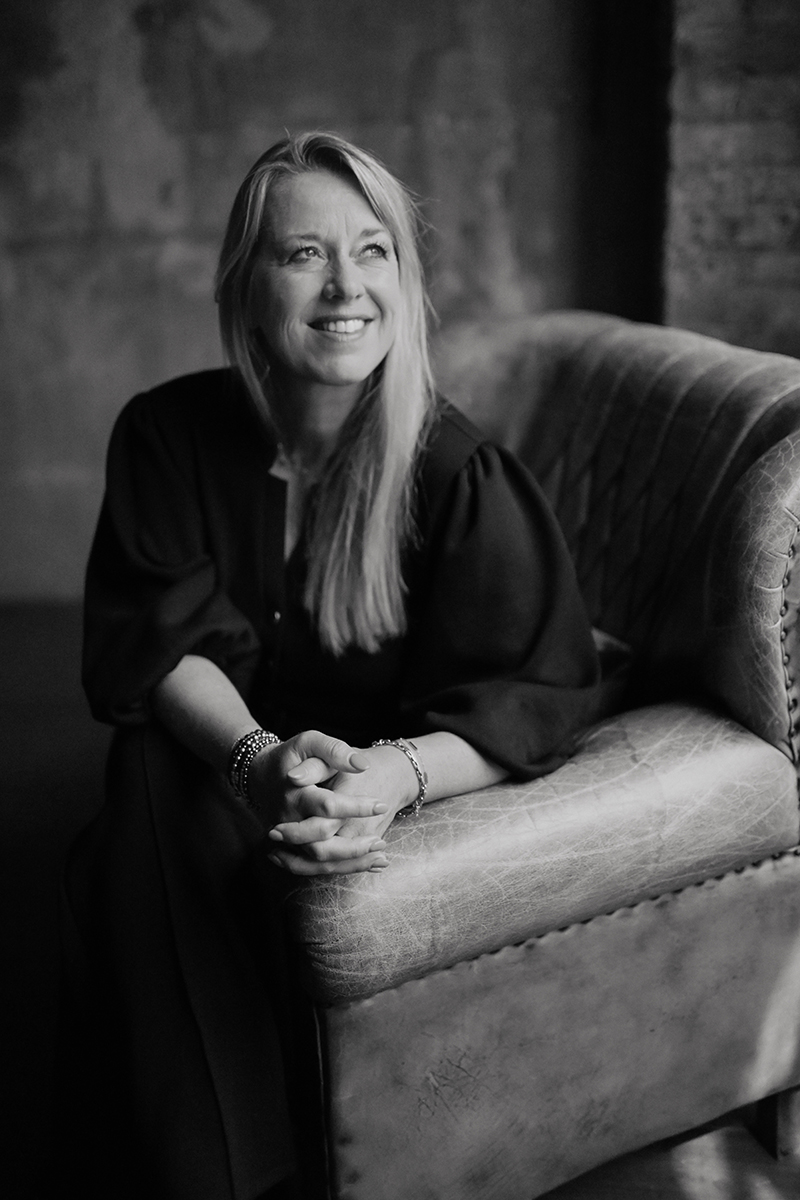
We met in Milan on a grey morning for a long-awaited conversation. Though we had spoken countless times over the phone, this was our first chance to sense each other’s presence. Yet, the moment she entered the studio, within the warmth of the welcome hug, we both understood that certain connections run deeper than proximity; that familiarity of souls does not need proof through touch. Her aura was as luminous and magnetic as one might imagine from someone whose brilliance comes entirely from within—quiet and confident.
As we began to speak, it became evident that Edith’s method mirrors her energy: grounded yet elevated, intuitive yet highly structured. She speaks about transformation not as a sudden revelation, but as a process of remembering one’s own rhythm.
WORDS & PHOTOGRAPHY GRETA WOLFF
Let’s begin from the image that stays with me—the diamond covered in dust. In a world obsessed with polishing the surface, you speak of blowing the dust off instead. That requires trust, and a lot of inner work. What is the dust made of, in your experience? And how do you recognize that it is not yours?
The diamond represents you, your essence. My work is about helping people return to who they truly are, to their authentic brilliance. I believe that, in order to shine in the way you were meant to, you need to reconnect your purpose with your soul.
The dust that gathers on top of the diamond is everything imposed from the outside: inherited beliefs, family conditioning, fears passed down through generations. These are the paradigms we unconsciously absorb, as the expectations of parents, society, and culture.
Through coaching, the goal is to identify those patterns as they arise and realize that they are not truly yours. They may once have protected you, but they no longer serve who you are becoming. Much of this dust also comes from the culture you grew up in: the rules, comparisons, and silent obligations. Clearing it allows you to rediscover your authentic self and shine again in your truest, most radiant form, so that you can really glow as the most beautiful version of yourself.
What makes people afraid of choosing their own path, even when the cost of following others is evident?
We are often afraid that we are not enough as we are. That is why we work so hard to prove ourselves, why we care so deeply for others but forget to care for ourselves. Deep down, we all want to be liked, to be loved, to belong. But the journey begins with something much simpler: it begins with loving yourself first. True love always starts there. When you cultivate self-love, you become capable of loving others in a way that is genuine and unconditional.
For many people, the real fear lies in not being loved by the outside world. We live from the outside in, because that is how we were conditioned, to measure our worth through the approval of others. We worry about what people will think, how they will perceive our choices, our words, our behavior. In that process, we forget that the real journey moves in the opposite direction, from the inside out. The love and acceptance we seek are already within us. What we truly fear, in many cases, is that we are not enough. Yet the moment we turn inward, we realize the opposite is true, that we have simply forgotten it for too long.
Do you believe we choose who we become, or are we simply uncovering what was always within us? Is personal growth a matter of decision, or remembrance?
It has always been within you. That is why I find the diamond such a powerful metaphor, and why the “C” in my logo is shaped as a circle. It represents something complete, something that has always existed inside you, even if forgotten.
The key is learning to listen to what you truly love, what you genuinely desire, what your heart is trying to tell you. That is what I call the inside-out process. When your mind sets an ambition, it is worth asking: is this something I truly want, or something my ego wants to prove?
Personal growth is not about becoming someone new; it is about returning to what has always been there. It is the same as uncovering the diamond, your soul, your purpose, hidden beneath the dust of expectations and conditioning. My work is about helping people clear that dust so they can finally see, and live as, who they truly are.
And shine bright?
Absolutely.
We speak a lot about fear versus love, as two opposites in defining human behaviour. Love requires imagination, while fear has a thousand reference points. When you imagine a society driven by love-based decisions, what do you actually see? And ow do you protect this vision from becoming utopian or naïve?
I envision a world where everyone can live as their true self, a world guided by love rather than fear. It always begins with a simple question: What do I love?
When I began working with my first coach fifteen years ago, she asked me to notice my thoughts and decide whether each one came from love or fear. I considered myself an optimistic person, yet I discovered that most of my thinking What if I’m not enough? What if I fail? was rooted in fear. That awareness changed everything.
Fear is human; it accompanies growth. Each time we step beyond the comfort of the familiar, fear arises. But awareness transforms it into movement. The real challenge is that, as adults, we stop allowing ourselves to fail. We become our own harshest critics.
A love-based world is not naïve at all. It is a place where people live from their essence, aware that fear is simply part of evolution, and where love remains the compass that guides growth.
You have said that your daughter’s birth made you realize the importance of embodiment, as children copy how we live, not what we teach. What was the first behavior you chose to shift, and how hard was it?
The birth of my daughter, Laura, fifteen years ago, was a turning point. The moment she arrived, I realized that I was working in the financial industry, earning well, but something essential was missing. I understood that this was now about legacy, about what kind of example I would leave. As her mother, I am her role model. Children imitate what we do, not what we say. So I needed my actions and my words to align.
I wanted her to listen to her heart and have the courage to follow it, no matter what others might think. But when I looked in the mirror, I saw that I was not yet living that truth myself. I was compromising too much of who I was, constantly trying to please others. I used to give all my energy away to make people happy, thinking that was love. Then I realized: if I wanted my daughter to be happy, I had to start by being happy myself.
That realization began my journey inward, asking, Who am I really? What truly brings me joy? That is when I started clearing the dust from my own soul, and there was quite a lot of it. The work never really ends; we are all on this journey for as long as we live, growing toward the best version of ourselves.
The essence of what I have learned is this: the legacy I want to leave my daughter is freedom, the freedom to become who she truly is. And the only way to give her that is to live it myself, every day.
So beautiful.
Oh, but your questions are.
I think it is truly the parents’ responsibility when having a child, because what you said is completely true—your life becomes a kind of application, an example, of what they might become. You chose to face your own patterns, your limitations, and the old beliefs you inherited, just to offer your daughter a better life than perhaps you had. I find that incredibly brave and deeply gentle.
Thank you. I made a commitment to myself that whenever I encountered a limiting pattern, I would face it and release it, so that it would not be passed on to her. That became my love mission, my soul’s work. I have been on this path for fifteen years now, through countless trainings and experiences, and over time it has transformed into my profession. And I am so grateful that within my occupation, I found my vocation. It is my purpose to help others live a life they truly love and to become the best version of themselves.
So you can say that this is basically a purpose.
Surely.
The work is not just about goals, but also about alignment. You help people design lives they want to inhabit, not just lives that impress. What do you think about the importance of finding purpose in work, not only fulfillment in life, but also in one’s career? How essential is that connection?
I believe it is absolutely essential. Of course, everyone has their own priorities, some may place more weight on family, others on professional growth, but when you truly understand who you are, what your natural gifts are, and what brings you joy, purpose begins to flow naturally into every area of life, including work.
When your work aligns with your essence, it stops feeling like an obligation and starts feeling like an extension of who you are. You express your talents, you create from authenticity, and that creates a sense of completeness. Doing what you love and what you are good at brings both fulfillment and peace. So yes, discovering your purpose within your profession is a vital part of living a whole, happy, and meaningful life.
There is a paradox in the term comfort zone. Sometimes the most uncomfortable beliefs are the ones we learned to call home. What did comfort zone mean to you before, and what does it mean now?
Another wonderful question. The comfort zone is that familiar space where you were born, raised, and shaped, it feels safe simply because it is known. But in many ways, it is also a product of the ego. The ego, which often operates from fear, whispers: Don’t do this. Don’t take that risk. Stay here where it is safe. Don’t quit your job; you don’t know what comes next. It tries to protect you, but in doing so, it also keeps you small.
I realized quite early in life that I was meant to step beyond that. When I was twenty-five, I moved abroad, and I remember asking my father in tears if I would ever find peace of mind, if I could ever feel comfortable within my safe zone. He told me that my nature was restless for growth, that I could never stay at one level for long because expansion was part of who I am. Today, I still live by that truth, but with a different awareness. My desire to move beyond the familiar no longer comes from ego or ambition, as it comes from the soul’s need to evolve. That, to me, growth is what this whole experience, this journey we call life, is truly about.
Is it possible that the rooms where we first grew up become the blueprint of what we think is safe?
Yes, absolutely. I can give you a simple example. The first time I took the train from Zurich to Milan, I was nervous. I did not know the city, the system, or what to expect, everything was new. That is what stepping outside the comfort zone feels like.
The second time I made the same trip, everything was different. I knew the station, which exit to take, where to find a taxi, and even how the city was structured. The fear was gone, replaced by familiarity.
It is the same in life. The first time we face a new situation, it can feel overwhelming. But once we do it again, it becomes easier. That is how we expand our comfort zone, by moving beyond it, again and again, until the unfamiliar becomes part of what feels safe. In that way, we are always building new rooms within ourselves.
Do you think we can learn to feel safe within the process of progress itself? We are often taught that growth must be painful because it means facing something new, something unfamiliar. But can we reach a point where we become so strong, so aligned, that we actually enjoy the process, feeling comfortable only when we are evolving?
I can give you an example from my own life, because it resonates deeply. Before starting this journey, I worked as a manager in the financial industry, focusing on the positive power of capital, sustainability, and impact investments. But through the past fifteen years of personal work, I realized that my true purpose is to help people become the best version of themselves, and to use the resources they have, including capital, to create positive change in their own lives, in society, and for the planet.
Stepping away from a world I had known since I was twenty-one was a huge leap outside my comfort zone. There are still moments when I wake up at night and feel fear. But far more often, I feel excitement, because now I am finally living as my true self. For years, I carried a longing I could not name, like a desire to become myself fully. Once I followed that calling, everything began to unfold. The joy, the energy, the opportunities, they all arose from that alignment.
You have worked with women’s networks, sat in boardrooms, co-founded organizations. And yet, the word empowerment has become both overused and underfelt. How do you define female power in today’s society?
I think empowerment is still a very important word, though often misunderstood. For me, empowerment means helping someone regain power over their own destiny. That is what my work is about: supporting people in taking ownership of their path and decisions. I have reflected deeply on female empowerment.
I have been involved with many women’s organizations, and I co-founded Women in Sustainable Finance in Switzerland, a network for women in the financial sector dedicated to driving change through sustainability. I am also part of 100 Women at Davos, where we encourage women to raise their voices and stand in their truth.People often ask me if I consider myself a feminist. My answer is that it is not just about being male or female, it is about energy. For centuries, the world has been built primarily on masculine energy: logic, control, competition. That has created progress, but also imbalance. What we need now is the return of feminine energy, intuition, empathy, creation, to restore harmony.
So, to me, it is not about gender; it is about integrating both energies within ourselves. We all have masculine and feminine aspects. True empowerment comes when we balance them—when we act with strength and softness, vision and compassion. Ultimately, claiming your own power also means taking responsibility. Every purpose I have seen people discover through my work carries a sense of good for others. Because we are not isolated beings, yet we thrive in connection, in society, in culture. When we live our purpose from that awareness, we do not just empower ourself; we elevate everyone around us.
You often speak about the positive power of capital, which is something rarely discussed in a world that often associates money with inequality or excess. What does that concept mean to you?
When I studied economics and began working in banking, I was fascinated by the financial industry. I started in investment advisory, working with stocks and options, the most dynamic area of finance at the time. Later, when I was twenty-five, I moved to Switzerland and joined international private banking.
But after a while, I started asking myself a difficult question: Am I simply helping wealthy people become wealthier? What’s the real purpose behind this? That is when I realized that money can be much more than accumulation; it can be a mirror of our values.
As an independent investment manager, I began speaking to my clients about legacy. For whom are you investing? I would ask. For yourself, your children, your grandchildren? And if so, what message do you want your wealth to carry?
That is how I discovered sustainable finance. I realized that if we want to build a system where everyone is free to be themselves and where the next generation can thrive, we need to use capital consciously. Money, when used wisely, can be a powerful force for good.
For many people, the word capital feels uncomfortable because it has been associated with greed or abuse. And yes, it can be misused. But it can also create extraordinary positive change. That is part of my mission: to redefine capital as a constructive force, one that supports the next generation, protects our planet, and helps build a more conscious, compassionate system.
Do you think the negative image of capital comes from people acting out of fear rather than love?
In many ways, yes. If you look at the news, it is easy to see why capital has such a bad reputation. A very small percentage of people hold most of the world’s wealth, and that naturally creates the perception that money is about control or inequality. And sometimes, unfortunately, that is true. But each of us can take responsibility for our own life, and that includes our finances. We can choose to transform the energy of money into a positive power. When used consciously, capital can uplift rather than divide. That is also why collaboration is so important to me.
When like-minded people come together, combining their complementary skills and intentions, that positive power multiplies. You start creating a collective movement, what I like to call a “ripple effect.” Through the initiatives I have been part of (Women in Sustainable Finance and 100 Women @ Davos) I have seen how this works in practice. When people act from love and purpose, not fear, their work inspires others to do the same. And that is how real, systemic change begins, one aligned collaboration at a time.
We often treat failure as the opposite of success, when in truth, it might be the very thing that shapes it. Do you believe failure exists at all, or is it simply a language we use for moments of transformation?
When we grow up, we stop allowing ourselves to fail. One of the most important lessons I have tried to teach my daughter is that failure does not actually exist. What we call failure is simply a sign of growth, a message that something did not work this time, so we can try another way. When a child learns to walk, they fall many times. They do not call that failure. They try again. Somewhere along the way, as adults, we forget that. We start fearing mistakes, both our own and those of others. But mistakes are essential. They are guideposts, helping us redirect our path.
The fear of failure often comes from how we believe others will perceive us. It is tied to the ego, the part of us that still seeks love, validation, and acceptance from the outside world. But real freedom comes when we stop measuring ourselves by those standards. The real question is not “Did I fail?” but “What did I learn, and how can I do it differently next time?” Perfection is an illusion, but growth is real. And when we understand that, we allow both ourselves and others to evolve without judgment.
Perfection feels like one of the most persistent illusions we chase, especially in a world built on comparison and constant performance. Do you think perfection exists at all, or is it just a construct that distances us from what is real?
I believe perfection is only a concept that lives in our minds. What one person sees as perfect beauty can be completely different from what another perceives. Perfection is an image we create, something idealized, often impossible, and ultimately not human. In truth, I think we are already perfect as we are. Our so-called imperfections are what make us authentic, alive, and connected.
So, if we are already perfect, as the diamond beneath the dust, then perhaps it is the dust itself that keeps us from feeling whole. It is not that lack perfection, but that we lose sight of it. Would you say it is imperfection that makes something truly beautiful and memorable?
Absolutely. I remember that my first coach gave me an unusual assignment: to observe an orchid for an hour. At first, I did not understand the point. But as I looked closely, I noticed that the petals were not flawless, the colors were uneven, a few edges were torn, and yet, that was exactly what made it beautiful. Its imperfection made it alive. That is what she wanted me to see.
Since then, I have been blessed with mentors who always saw my own diamond, even when I could not. My current coach has been one of my greatest teachers. Whenever I was struggling, stepping out of my comfort zone, she would remind me, “You are already there. It is already inside you.” At first, I did not fully grasp it. But over time, I understood: she was helping me see what was already present beneath the layers of fear and conditioning.
That is what I want others to realize too, that we all have that light within us. The work is simply to remove the dust. Some have more of it, some less, but the essence is always the same: the diamond is already there.
Do you think fulfillment is becoming the new luxury? Perhaps the ultimate form of wealth today is no longer material, but the feeling of living with purpose and peace, as something that once seemed accessible only to a few.
I think, at this moment, fulfillment still is a luxury. There are not many people who truly live in a state of inner contentment, though, fortunately, that number is growing. My hope for the world is that fulfillment becomes the new standard, because it is deeply connected to empowerment: claiming your voice, your power, and your unique place on this planet.
It begins with courage, and the courage to live from the inside out rather than the outside in. When you do that, you realize that everything you seek already exists within you. Fulfillment is not about circumstances, as it is about inner awareness. It is the way you think, the way you behave, the way you direct your energy. When you start observing your thoughts, asking whether they come from love or fear, you begin to change the chain of your reality. Thoughts create emotions, emotions shape actions, and actions define results.
Once you take ownership of that process, you no longer depend on external validation or material symbols. Fulfillment becomes your natural state. And my deepest wish for the generations to come is that this becomes the norm that love, not fear, becomes the measure of success.
In your programs, there is a clear sense of journey, almost like personal travel through one’s own layers. Is that how you would describe the process you guide people through?
Yes, absolutely. It is a journey of personal growth. It begins with writing a vision, asking yourself, What would I truly love? In my programs, we explore different areas of life, and this vision becomes a living document. I have been doing it for years, and I still update mine every week, sometimes even several times a day, as I become aware of new desires or possibilities.
A friend once told me, “I do not even know what I really like.” And that is where it starts, with learning to listen. When you lean into what you love and dare to write it down, your vision begins to take shape. The more I wrote, the more I read it, the more it became part of me. I realized, this is achievable. Then things began to shift, first internally, then externally.
That is the beauty of the process: when you change from the inside, everything around you changes too. It is an inside-out transformation. As your frequency evolves, your reality follows. You start to think, If this has already happened, what else might be possible? And that is how growth continues, layer by layer. I often use two metaphors to describe this journey: blowing the dust off the diamond and watching a flower unfold, petal by petal, until its true center is revealed. That unfolding never really ends, it is
a lifelong journey toward your own light.
If you could be remembered for one thing, one image or feeling that the world carries of you through your work, what would you want that to be?
That is such an important question because it brings me back to my daughter, Laura. When I eventually leave this planet, I would like people to remember me as someone who was true to herself. I would like to be remembered as a woman who had the courage to listen to her heart and to stand for it, no matter what others thought. Someone who lived with conviction, passion, and joy, because I truly believe in the power of humor and lightness. We should not take ourselves so seriously; we should learn from our fears, grow through our failures, and still find laughter along the way.
The more people I can help to become their most beautiful, authentic selves, the happier I am. If I can inspire others to use their wealth, influence, or creativity in positive ways, that is already impact enough. But, in the end, legacy is intimate. What matters most is that the people closest to me, especially my daughter, remember me as a loving and courageous woman who stood up for herself and for what she believed in. That is the example I want to leave behind.
—