On Modern Aura

A Love Letter to a Future Self
December 24, 2025
Devotion in the Age of Options
February 15, 2026The evolution of luxury has led to one single moment: the return of the aura. Similar to the artistic meaning of the term, the aura, in the sense of influence, is strictly contained in one’s behaviour, that can no longer be simulated on the screen. To leverage this thesis, one must look back at the cultural trends of the 2010s (even to understand them according to those of the 2000s). The years were marked with rising trends of people putting their private lives on display. With the rise of social media, figures that represented the term of "modern luxury" gained a certain popularity by visibility, that included the exposure of the private details of life, for which, needless to say, the public was hungry.
There is a certain fascination in people to look closely at the lifestyle they can’t participate in.
The "age of display" has caused the possibility to, in literal sense, voyeuristically observe the lives whose reputation was to be the "perfect" ones. With the sight into previously impassable information, such as Gigi Hadid’s daily habits, or Kate Moss’ thoughts, the image of access has been created. Naturally, for the cause of larger marketing, the world moved from visibility to discretion. Society used to orbit around visible proofs of taste. Influence, by social definition meaning the power to have an important effect on someone, was defined by the number of people following the consumption choices of an individual.
Leading to oversaturation, the following and most natural step was to look backwards, to the past, to the age before such communication could even exist.
Nostalgia, as a popular term, reflects not only in the admiration of the former, but the very intention of having it relived. Visible especially in fashion, where recent collections bring back the 90s, and where narrations tend to be inspired by written classics, the tendency is actually pointing out to the shift towards simplicity, with the formation of the new trend prediction: going back to analog.
The online world has a high tolerance for theatricals. The distance between the person sharing information and its patrons, even though measured by pixels, still permits insincerity, as it allows people to become and act like brands. The shared stories, in this case, are a marketing strategy built on research and monetising attempts. Digital media, mainly AI technologies, have put information in an easily reachable position for everyone. Knowledge is no longer inaccessible, which is a stable ground for building a more educated society. But in the context of social influence, it has produced the tendency to move from knowing to articulating, and, more importantly, to the ability to keep the same ability offline, when there is no AI assistant, and no digital help.
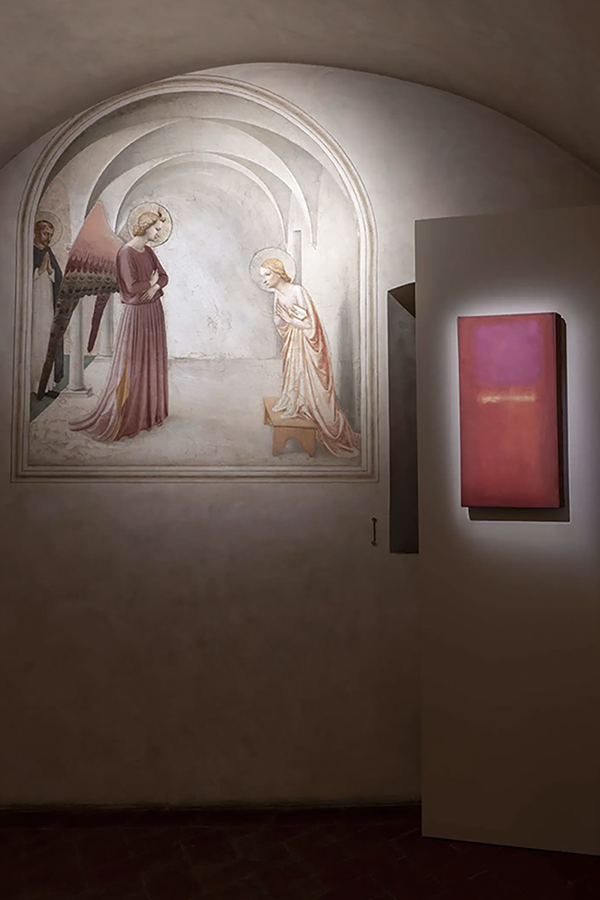
Artistic aura is the unique “here and now” existence. The authenticity of an original artwork gets lost through mass reproduction. Articulated by philosopher Walter Benjamin, the term is described as “the unique phenomenon of a distance, however close it may be”. In the original interpretation, it was adjectified to the artwork, but, with the changes in art history of the 20th century, it trended from the product toward the creator himself.
Putting it in social context, it is no longer about what can be written online, but on whether or not the same knowledge can be kept in actual verbal articulation.
While taste can be copied, as well as the image of wealth, the real behavioural tendencies that show class are visible only in the present moment. The way one walks, talks, chooses words and looks, followed by the places where it is possible to be seen, is what triggers intrigue. Reflecting past trends of influence, it was someone’s reserved presence that attracted curiosity. The stylish women that no one knew where they got their clothes from. The one with the most elegant gestures, that everyone admired, yet the background of her life where she got it from remained mysterious.
The same change is already visible. The reputation goes back to the people who speak multiple languages, have diverse interests, or generally to those who, in a visible way, invest in themselves. As the camera can lie, and building social influence based on the digital world can always prove false, the real outline of the self drives attention. Furthermore, there is the image of the modern beauty. The visible investment into health and healthy appearance has become the reference, much more than facial symmetry on its own.
This change goes together with the trends that articulate discipline as the ultimate form of self love, promoting the lifestyle that values control over time in order to reach the higher self, and restrained habits that lead towards self development, rather than chaotic ‘live in the moment’ culture trend of early 2000s, aimed to focus on fast consumption of enjoyable stimuli, such as nightlife, or alcohol. Accordingly, there is a form of natural, almost inherited grace that dominates as the form of elegance. While in the sensation of media scrolling, refinement was closely associated with external adjectives, such as long dresses, or high jewellery, together with the return to the physical came the fascination with a person’s natural gestures that can hardly be acted upon, or even learned later.
The most sophisticated person is the one that behaves kindly, but also the one that has tenderness in the most usual occasions, such as the way of removing her hair, or the way she carries herself while participating in casual conversations. All pointing to the characteristics that can be felt, seen and remembered from the certain experience of being in the moment, rather than getting noticed online.
The same change has been happening in marketing too, with brands turning to the ambassadors, people whose values and lifestyle naturally fit the brand’s image. It is not that the digital world has lost its impact completely, but rather that its function has turned to proof of existing life, rather than reproducing life to show the ideal online. Posts of business strategies, inspiration and concrete working production lean towards higher engagement than those showing private stills. As for the latest period, the trend is to keep private privately.
So how is influence built in the age that relies more on presence than on digital network?
Together with the post-digital turn, once again society is turning to discretion as the safest form of luxury. Thinking back, there is nothing particularly new with the fascination with privacy, for capital, be it cultural, financial, or even symbolic, has been kept away from the audience during most historical segments. Still, this new orientation towards internal closing is quite different than snobbism back in the day. The charm of someone’s stance functions only in direct communication with the audience, while the impact is contained in mutual independence.
In order to become prestigious, one has to focus first on reproducing his knowledge, skills and abilities in a specific field, looking for visible platforms to create credibility, while the romantic idea of the last decade to ‘produce fast’, that was, in its core, leaning onto the idea of the “society built on images” (Susan Sontag, On Photography), has become overused, and therefore, has stopped to incline results. In the concrete example, the admiration that was created by one’s online presence and network has been replaced by one’s ability to host gatherings, to bring people together, and to hold meaningful conversations.
More than ever in the era of modern time, the accent of credibility is turning back to knowledge, which is why constant improvement of the self has quietly become the new trend.
The value moves from what is shown to what is embodied, from carefully constructed image to cultivated personality. In the same way as the artistic aura cannot be reproduced, the modern form of influence emerges from the accumulation of knowledge, gestures, and lived experience, forming a presence that cannot be imitated.
Luxury, once associated with opulence, is quietly returning to its more subtle form. It is no longer defined by what one possesses, but by what one contains. In the age of visibility, influence belonged to those who showed the most. In the age of aura, it belongs to those whose presence cannot be replicated.
L’evoluzione del lusso ha condotto a un unico momento: il ritorno dell’aura. Simile al significato artistico del termine, l’aura, intesa come influenza, è contenuta nel comportamento di una persona, e non può più essere simulata sullo schermo. Per comprendere questa tesi, è necessario tornare alle tendenze culturali degli anni 2010, e persino a quelle dei primi anni 2000. Furono anni segnati dalla crescente esposizione della vita privata. Con l’ascesa dei social media, le figure che incarnavano il concetto di “lusso moderno” acquisirono popolarità attraverso la visibilità, includendo l’esposizione di dettagli intimi della propria esistenza, verso i quali il pubblico mostrava un naturale appetito.
Esiste una certa fascinazione nell’osservare da vicino uno stile di vita al quale non si può partecipare.
"L’età della visibilità” rese possibile osservare, in senso quasi voyeuristico, vite considerate perfette. L’accesso a informazioni prima impensabili, come le abitudini quotidiane di Gigi Hadid o i pensieri di Kate Moss, costruì l’immagine dell’accessibilità. Naturalmente, per ragioni anche commerciali, il movimento successivo fu quello dalla visibilità alla discrezione. La società iniziò a orbitare attorno a prove visibili di gusto. L’influenza, definita socialmente come la capacità di esercitare un effetto sugli altri, venne misurata dal numero di persone che seguivano le scelte di consumo di un individuo.
L’oversaturazione rese inevitabile il passo successivo: lo sguardo rivolto al passato, a un’epoca precedente a tali modalità di comunicazione.
La nostalgia, divenuta parola chiave, non si manifestò soltanto come ammirazione del passato, ma come desiderio di riviverlo. Questo è particolarmente evidente nella moda, dove le collezioni richiamano gli anni Novanta e le narrazioni si ispirano ai classici letterari. La tendenza indica un ritorno alla semplicità, formulando una nuova previsione: il ritorno al modo analog.
Il mondo digitale possiede un’elevata tolleranza per la teatralità. La distanza, misurata in pixel, consente una certa insincerità, permettendo alle persone di trasformarsi in brand. Le storie condivise diventano così strategie di marketing costruite sulla ricerca e sulla monetizzazione. I media digitali, e in particolare le tecnologie di intelligenza artificiale, hanno reso l’informazione accessibile a tutti. La conoscenza non è più inaccessibile, favorendo una società più informata. Tuttavia, nel contesto dell’influenza sociale, questo ha prodotto uno spostamento dal sapere all’articolare, e, soprattutto, alla capacità di sostenere questa articolazione anche offline, in assenza di assistenza digitale.
L’aura artistica rappresenta l’unicità del “qui e ora”. L’autenticità dell’opera originale si perde nella riproduzione di massa. Walter Benjamin descrisse l’aura come “l’unico fenomeno di una distanza, per quanto vicina possa essere”. Originariamente riferita all’opera, nel corso del Novecento questa nozione si è progressivamente spostata verso il creatore.
In ambito sociale, ciò significa che non conta più soltanto ciò che viene scritto online, ma la capacità di sostenere la stessa profondità nel dialogo reale.
Il gusto può essere copiato, così come l’immagine della ricchezza. Le vere dinamiche comportamentali, invece, emergono solo nella presenza. Il modo di camminare, parlare, scegliere le parole, insieme ai luoghi frequentati, genera fascinazione. In passato, era proprio la presenza riservata ad attrarre curiosità. Le donne eleganti di cui nessuno conosceva l’origine degli abiti, le figure ammirate per i gesti raffinati, la cui storia restava avvolta nel mistero.
Questo cambiamento è già visibile. La reputazione si sposta verso chi parla più lingue, coltiva interessi diversi, investe in sé stesso. Se l’immagine digitale può essere costruita, l’autenticità dell’individuo emerge nella presenza reale. Anche l’idea di bellezza si trasforma. L’investimento nella salute e nell’armonia complessiva diventa più rilevante della sola simmetria del volto.
Questo si accompagna alla crescente valorizzazione della disciplina come forma di cura di sé. Il controllo del tempo, l’attenzione allo sviluppo personale, sostituiscono la cultura del consumo rapido tipica dei primi anni 2000. Si afferma una grazia naturale, quasi ereditaria, come forma di eleganza.Mentre, nella sensazione dello scorrimento continuo dei media, la raffinatezza veniva associata soprattutto a elementi esterni, come abiti lunghi o gioielli importanti, con il ritorno alla dimensione fisica è emersa la fascinazione per i gesti naturali della persona, difficilmente simulabili o persino apprendibili in un secondo momento.
La persona più sofisticata è quella che si comporta con gentilezza, ma anche quella che mostra una certa tenerezza nelle occasioni più quotidiane, come nel modo di scostare i capelli o nel modo di muoversi mentre partecipa a conversazioni informali. Tutto questo rimanda a qualità che possono essere percepite, osservate e ricordate solo nell’esperienza diretta del momento, piuttosto che attraverso una presenza pensata per essere notata online.
Lo stesso cambiamento si riflette nel marketing, dove i brand si orientano verso ambasciatori che incarnano naturalmente i loro valori. Il digitale non perde rilevanza, ma diventa prova di una vita reale, non più la sua costruzione. Cresce l’interesse per contenuti legati al pensiero, alla strategia, alla produzione concreta, mentre la vita privata torna a rimanere privata.
Come si costruisce, dunque, l’influenza in un’epoca che privilegia la presenza?
Con il passaggio post-digitale, la società torna ancora una volta alla discrezione come forma più sicura di lusso. Guardando al passato, non vi è nulla di particolarmente nuovo nella fascinazione per la riservatezza, poiché il capitale, che sia culturale, finanziario o simbolico, è stato mantenuto lontano dallo sguardo pubblico per gran parte dei periodi storici. Tuttavia, questa nuova tendenza verso una chiusura più interiore è piuttosto diversa dallo snobismo del passato. Il fascino di una postura personale si manifesta infatti solo nella comunicazione diretta, mentre il suo impatto risiede in una forma di reciproca indipendenza.
Per acquisire prestigio, diventa quindi necessario concentrarsi prima di tutto sullo sviluppo e sulla manifestazione delle proprie conoscenze, competenze e capacità in un determinato ambito, cercando piattaforme visibili che possano costruire credibilità. Allo stesso tempo, l’idea romantica dell’ultimo decennio di “produrre rapidamente”, che si fondava sul concetto di una “società costruita sulle immagini” (Susan Sontag, On Photography), è diventata eccessivamente diffusa e, proprio per questo, ha progressivamente perso efficacia. In termini concreti, l’ammirazione che un tempo nasceva dalla presenza online e dalla rete di contatti si è spostata verso la capacità di creare incontri, riunire persone e sostenere conversazioni significative.
Più che mai nella cultura contemporanea, il centro della credibilità torna alla conoscenza, motivo per cui il miglioramento costante di sé è diventato, silenziosamente, una nuova tendenza.
Il valore si sposta da ciò che viene mostrato a ciò che viene incarnato, dall’immagine costruita con cura alla personalità coltivata. Così come l’aura artistica non può essere riprodotta, la forma contemporanea di influenza emerge dall’accumulo di conoscenza, gesti ed esperienza vissuta, dando origine a una presenza che non può essere imitata.
Il lusso, un tempo associato all’opulenza, sta tornando a una forma più sottile. Non è più definito da ciò che si possiede, ma da ciò che si contiene. Nell’epoca della visibilità, l’influenza apparteneva a chi mostrava di più. Nell’epoca dell’aura, appartiene a chi non può essere replicato.