The Pursuit of Perfection

The Archive of Sentiment: Forgetting
February 25, 2026
The Luxury of Turning Inward
March 26, 2026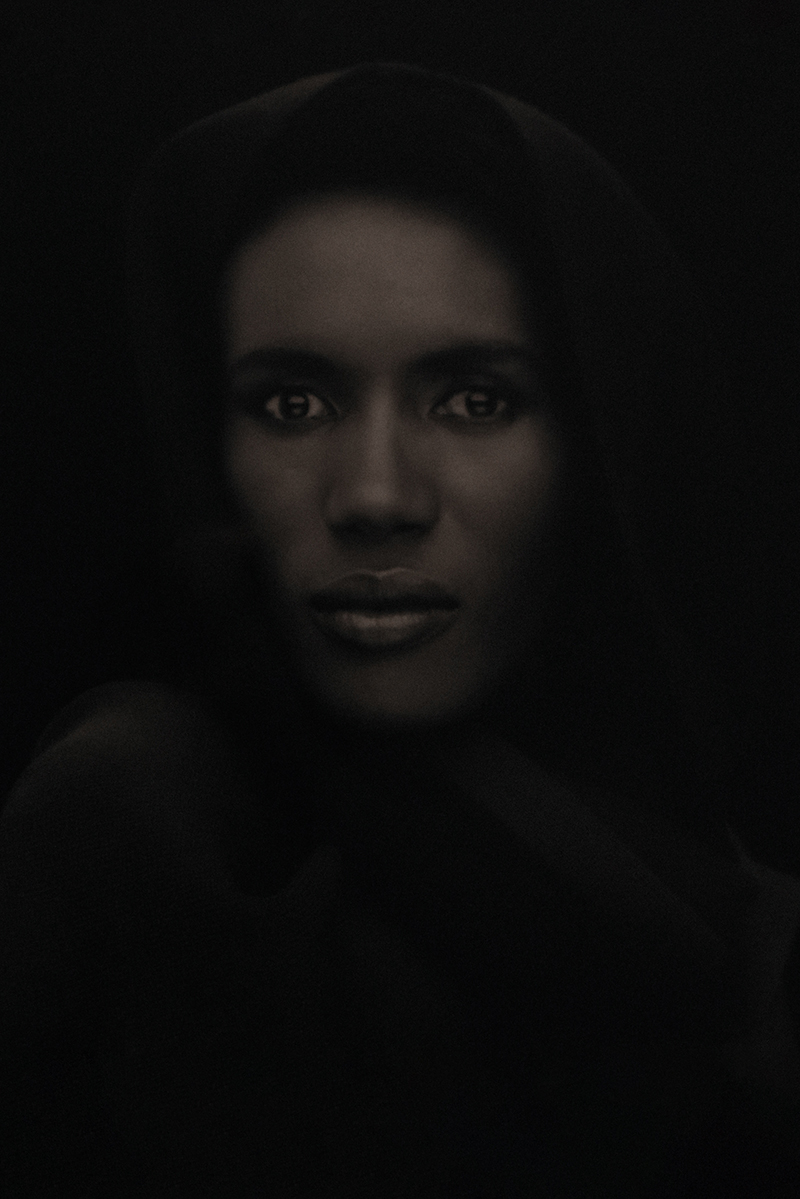
“I’m looking for perfection in form. I do it with portraits, I do it with cocks, I do it with flowers.”
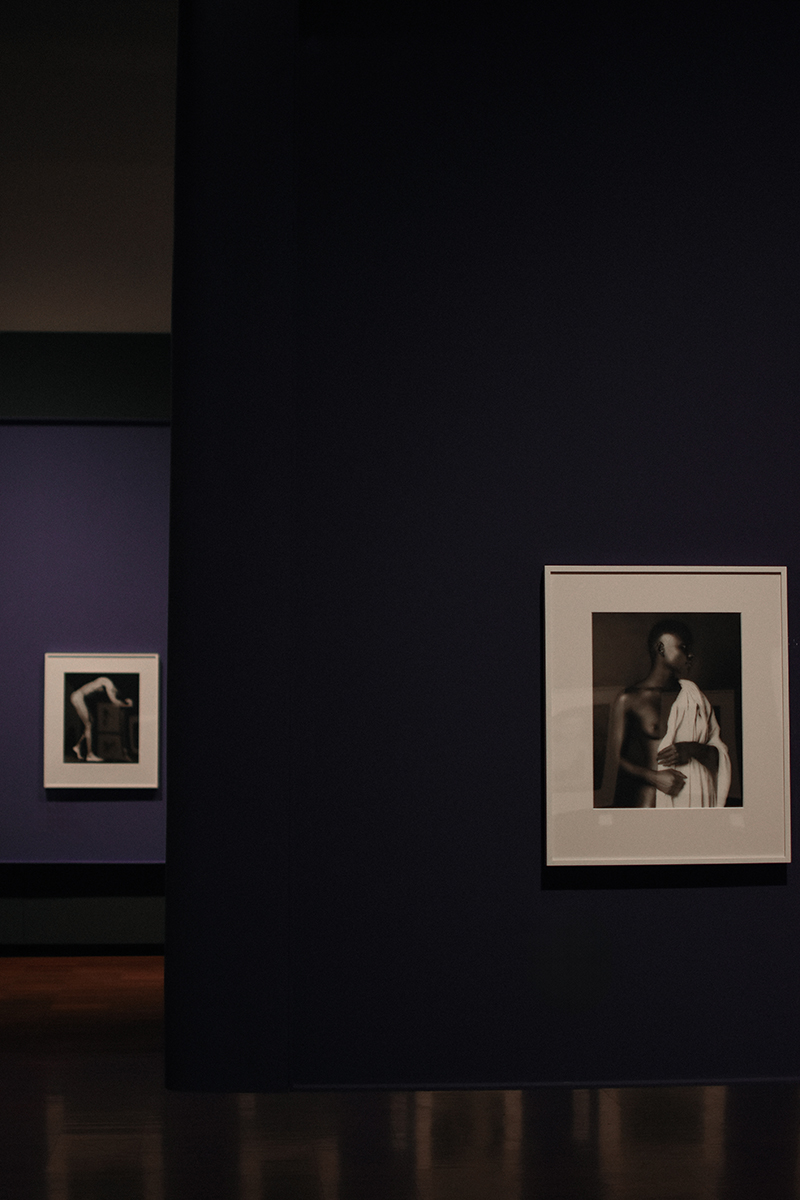
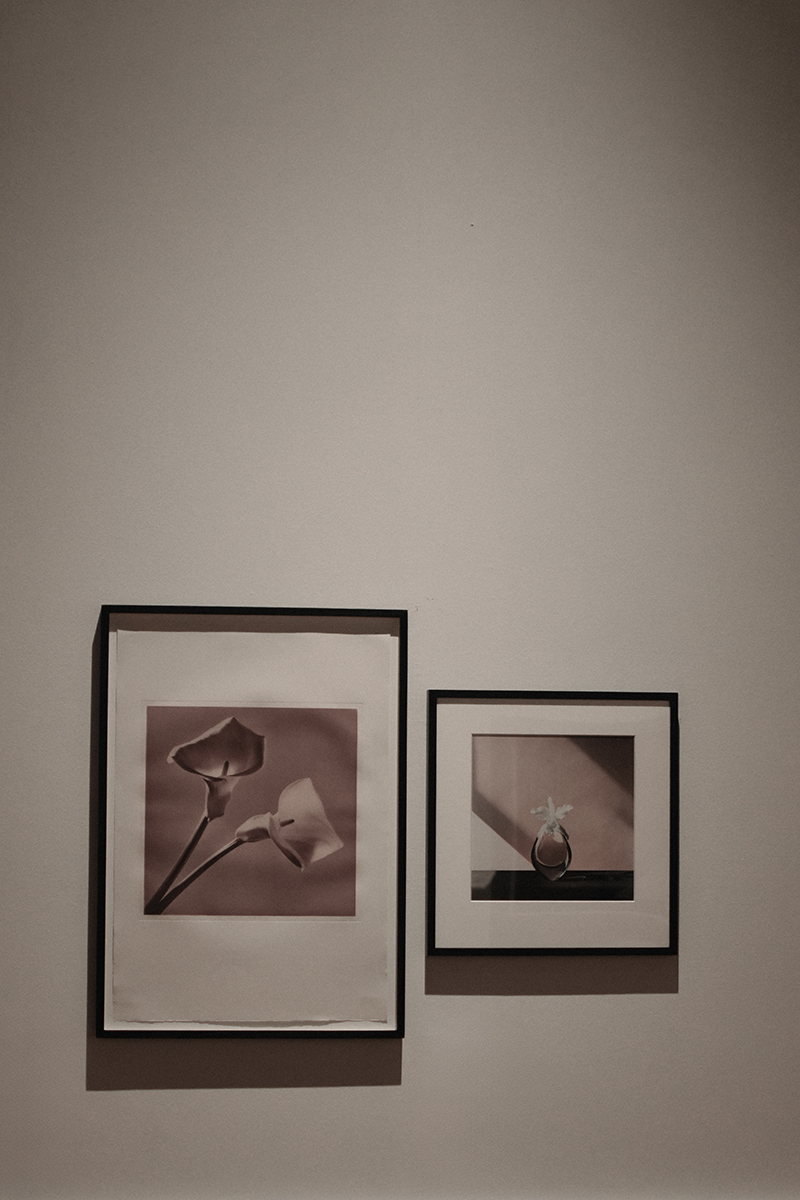
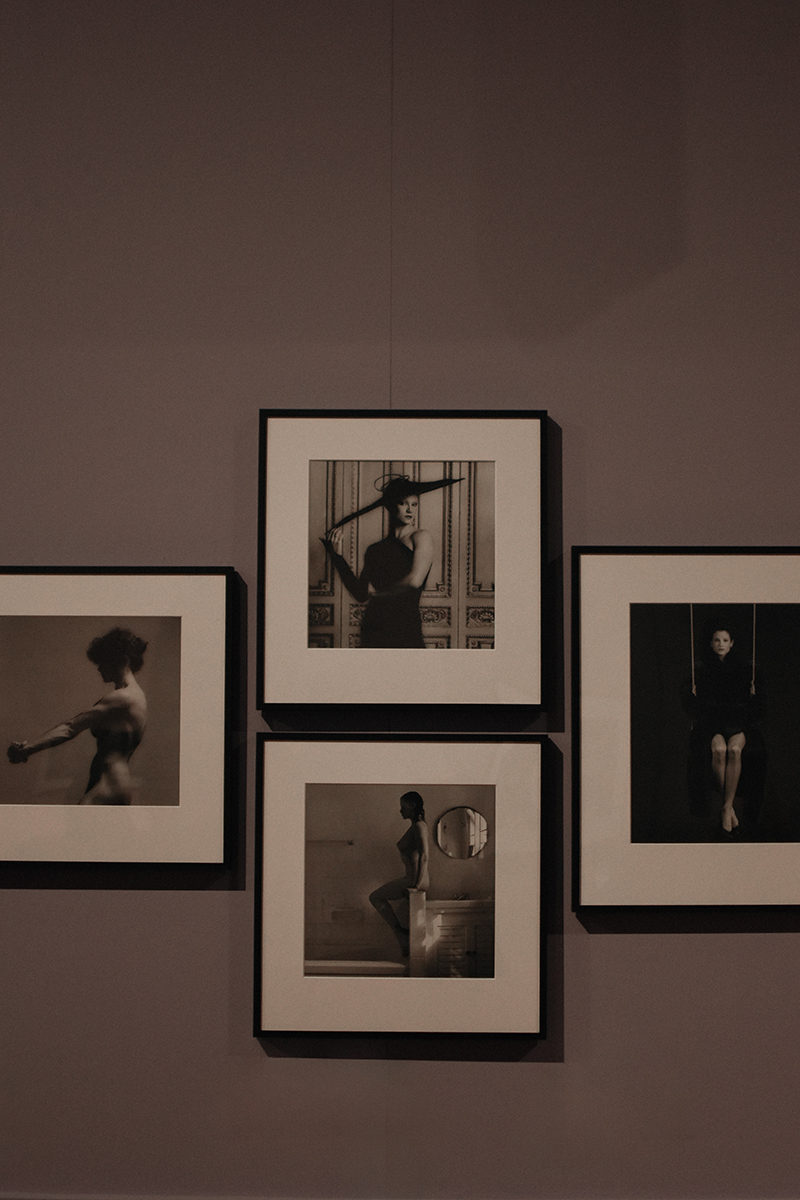
Photography has the power of capturing moment. But, besides it, it has ability to translaate one’s inner world into the form that communicates with others. Robert Mapplethorpe, throughout his artoistic career, understood this very well, resulting with his opus of captured beauty — the one taking over Italy. The retrospective started at Venice’s Le Stanze della Fotografia (from April 10, 2025, to January 6, 2026), continuing in Milan’s Palazzo Reale (opened on Jannuary 29th), and is about to close in Rome. The collection shows the photographer’s most famed and unconventional stills, enriched by previously unpublished photographs. Staying coherent in the stylistic interpretation, the museum’s walls seem to be filled with peerless charm and supreme radiance, each still carrying a fragment of unique narration, titled Le forme del desiderio (The Forms of Desire). Hardly any other title could have been chosen as such a representative line of Mapplethorpe’s work, for its motifs, from faces and body forms to flowers, clearly show the craving to capture perfection and reveal his aspiration toward an ideal of absolute beauty, diligent yet erotic. Thus far, beyond the obvious layer that names the retrospective, there lies another one: the title does not merely describe what is shown, but reveals the force that drives it.
While photographing desire, Mapplethorpe exposed the mechanism that drives art itself. In his work, beauty becomes the visible portrayal of longing, named jouissance.
Looking at art, its intrigue lies in its openness to interpretation. The rise of modern tendencies in the twentieth century transposed the act of viewing away from passive recognition toward active engagement. The viewer could no longer remain at the surface of the image. A Jackson Pollock's painting or a Robert Morris' canvas demands a dialogue between observer and observed, moving beyond depiction and into the instinct of the artist himself. What Walter Benjamin described as the artwork “looking back” signals this reciprocal tension. The painting is seen not just as an object to be scanned, but as an active participant that can provoke physical reactions, such as the feeling of being watched. This concept is central to his analysis of how art has historically been consumed and how its meaning changes with modern technology, pointing out the singular role of the artistic process.
It is well known that the undertaking requires complete dedication to the quest, and therefore, the incentive impulses must be so strong that they keep the artist devoted to the examination, which is, in this case, the inner one. The connection, in certain instances, is so profound that it keeps one’s whole career a single research, seen, for example, in Julije Knifer’s opus. The exploration of the perfect balance between black and white surfaces was maintained through the drawing of a single object: the meander. By playing with its dimensions, Knifer showed his intramural admiration toward perfection and questioned whether or not such a form was even capable of being created. In a similar way, what we see in Mapplethorpe’s work follows the same tension: looking for perfection in order to capture desire itself.
Unlike the familiar fancy, the so-called plaisir, which is pleasant and stable, the impulse that drives art is disturbance. Jouissance, conceptualized by Jacques Lacan as the desire for the unreachable, describes precisely this condition: a longing so intense that its fulfillment would be unbearable. It is not simple pleasure but an excess of it, an experience that borders on agony. Quite paradoxically, what is not there, or what is considered to be the “lost object,” causes the obsession with finding its return, which can be detected only through artistic expression. When researching perfection in any aspect of physical form, the experience is, by nature, painful, for flawlessness is beyond reach. The desire toward it cannot be transformed into anything more than admiration from afar. Similar to loss, the ache for magnificence, even within the artistic context, asks for separation between wish and possession, leaving the subject tied to the only form it can possibly take: its own representation in art.
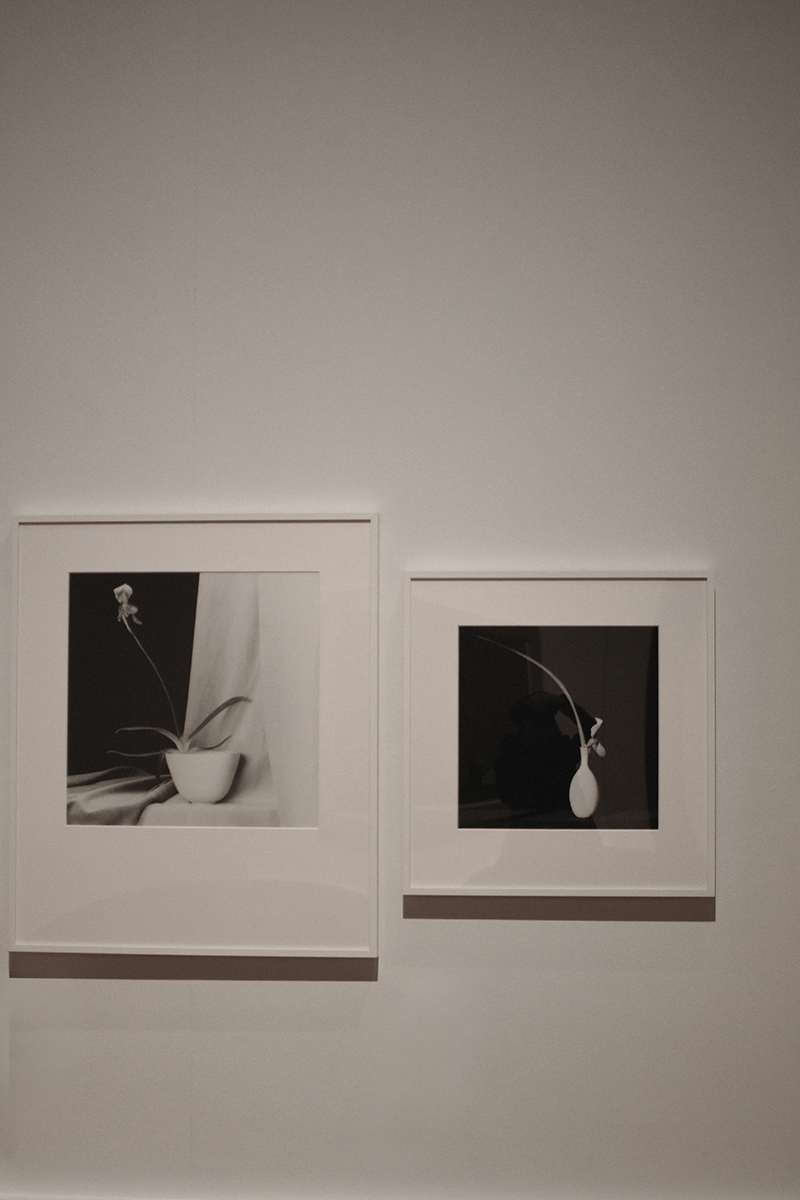
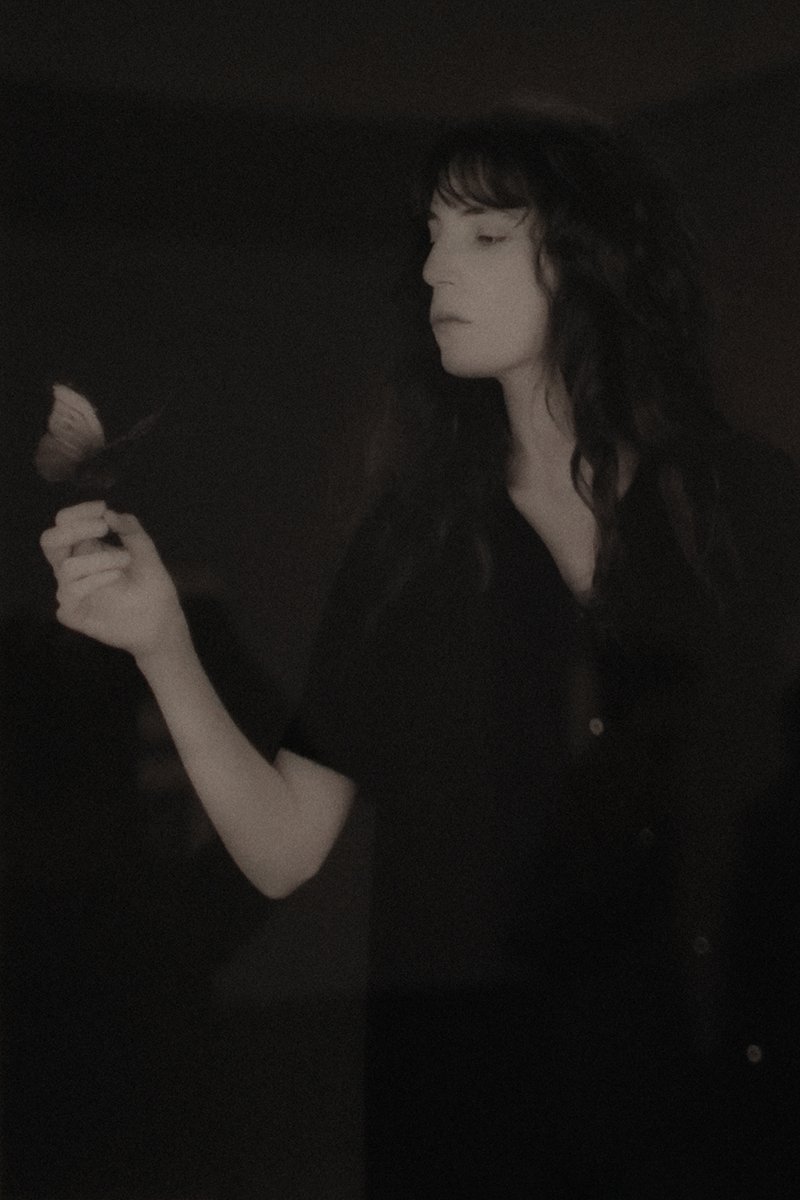
Robert Mapplethorpe’s photography is often described as a collection of beautiful representations. his use of light to “sculpt” the photographed subjects, whether capturing portraits (Patti Smith, Grace Jones, Isabella Rossellini), nudes, or flowers, followed the goal was the search for an absolute, “ideal” form. The stills are built around the comparison of delightful segments, putting a nude body, which clearly draws the sexual drive, alongside the fragility of a flower, creating the same impact of desire. Although considered as two opposites, both motifs are natural forms that fascinate due to their divine shaping. Natural forms are quintessential. Their beauty, being full of slight flaws, belongs to the divine aspect of aesthetics, especially because it challenges the observer’s interpretation, asking him to see and accept disfigurement as the ultimate place to crave desire. Perfection is the lost object. Its virtue goes beyond the theoretical understanding of the “beautiful,” as what is known to be implied by that term considers the accessible, while what is handled here is the impassable. The admiration carries this very effect by provoking the wish to look at the object and applaud it even more, approbation that does not seek possession. Beauty carries the same aura as the “lost,” indicating the artist’s driving force that unites amelioration and ache in the most obvious way: the tendency to reach jouissance in a single take.
But is jouissance even reachable, or do its charm and power lie particularly in the artist’s chasing of it?
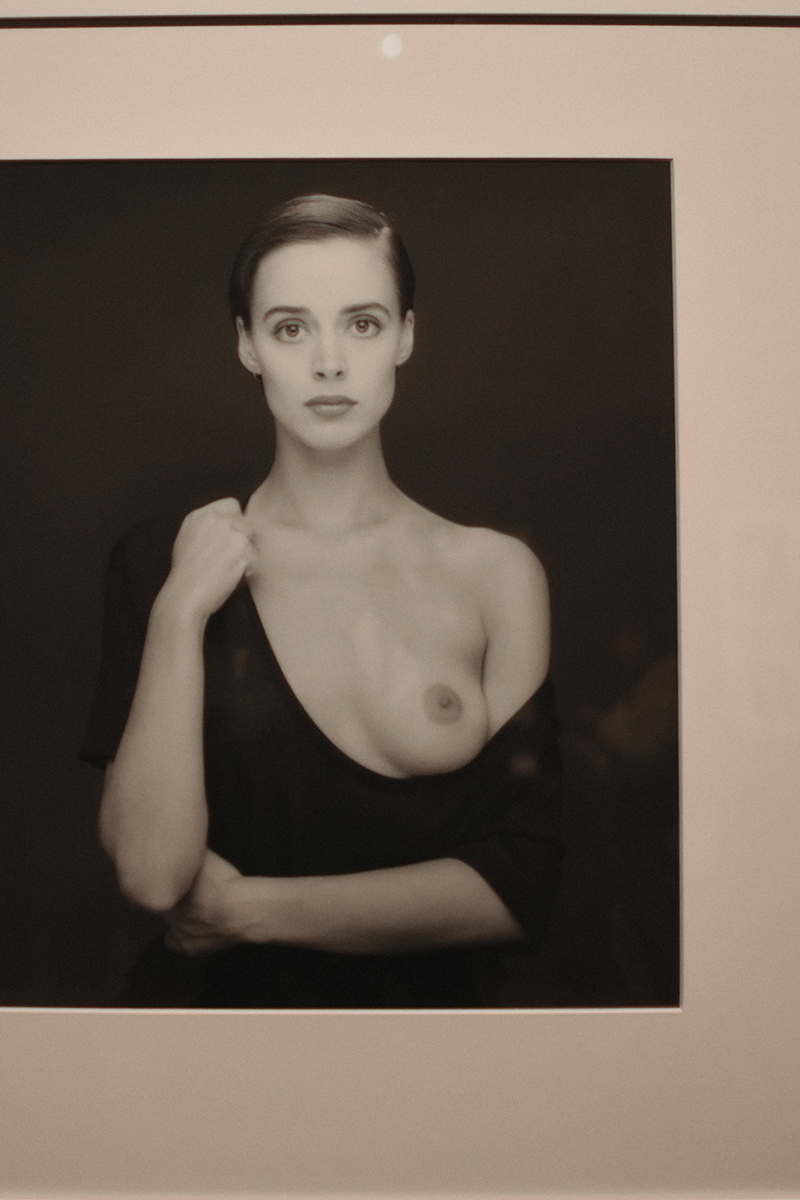
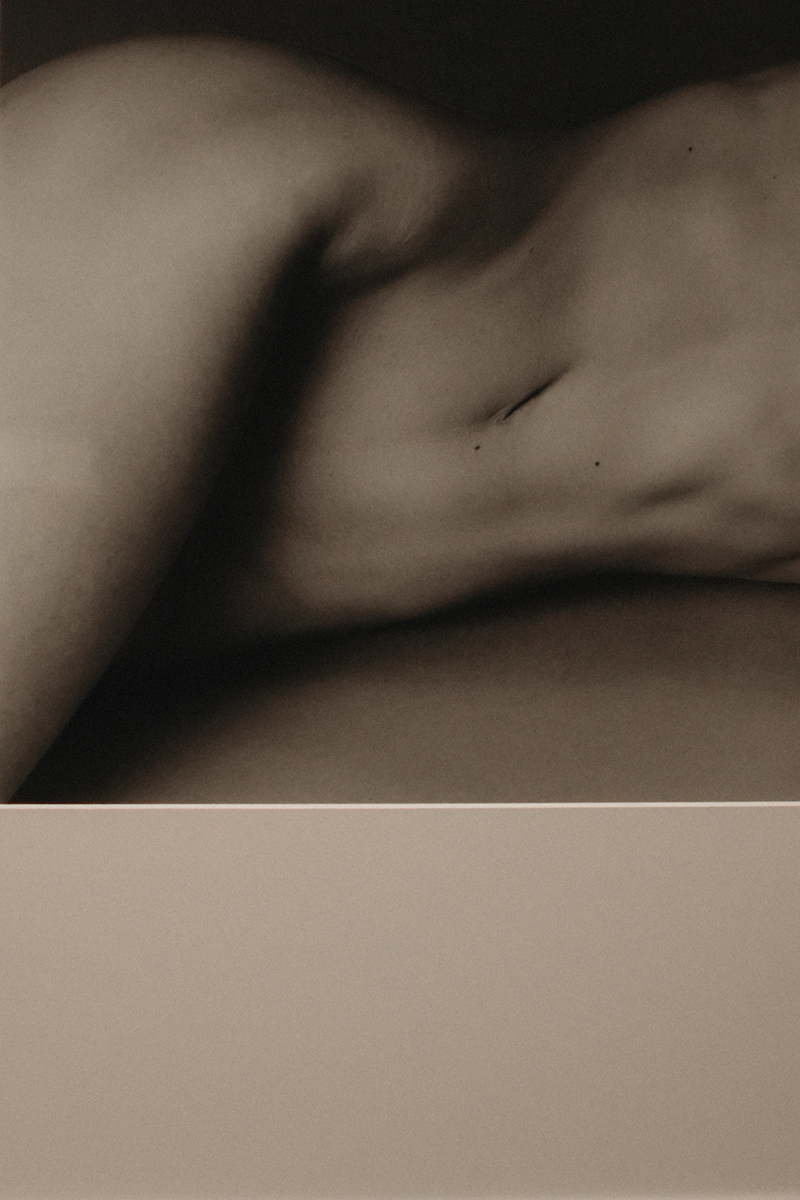
Art gives a certain security in that “deadly reach.” It helps the artist hold a distance while becoming an observer of his own yearnings. By capturing them, he himself stays untouched and unchanged by their intensity; it allows him to observe them, almost to feel them, while remaining free of their painful consequences. The same principle applies to perfection, whose function lies merely in self-improvement. The desire for the unobtainable asks for artistic embodiment as the only potential place of its survival. “It is not the result, but the process that matters,” for what is formed within the process of handling the divine is what writes the history of art. The forms of flowers, such as those of the torso, carve the softened image of the “whole,” allowing both the artist and the observer to come close to the image of the ache: to distinguish it, almost to feel it, while being kept “on the other side” of the agony it would certainly have produced if experienced for real. Art acts as a way to give material form to the “unconscious fantasies” that attempt to bridge the desire for the inaccessible. But not because of bravery in one’s wish to experience it, yet on the contrary, due to the natural fascination with seeing it, even so from a proper clearance. The mere possibility of observing desire awakens the voyeuristic tendency to imagine, and the obsession to produce what cannot be lived with. Art that engages with jouissance breaks the narrative, forcing a direct, raw encounter rather than passive viewing. Once again, the communication between observer, creator, and artwork is established with the only attempt to either reach the ecstasy of the artistic process or to witness it from afar.
Mapplethorpe’s motifs require both, for the impression caused by the innocence of the orchid’s flower, being the same as that of the athletic torso, leaves a trace on the sensitive overlooker, as by glancing at another’s desire, one becomes capable of seeing one’s own. The prevalent occurrence of witnessing another’s craving, only to experience one’s very own, can also be translated by returning to Benjamin’s observation of mutual communication. When looking at art, assuming it is a representation of the artist’s jouissance, the exchange between the three participants is born so that the primary desire flows to the surface. The artist’s expression of his inner tensions is revealed, producing nothing else but the embodiment of the same impulse in the viewer, which is, in a certain way, the reason why art seems eternal.
“Cerco la perfezione nella forma. Lo faccio con i ritratti, lo faccio con i corpi, lo faccio con i fiori.”
La fotografia possiede il potere di catturare l’istante. Ma, oltre a questo, ha la capacità di tradurre il mondo interiore in una forma che possa comunicare con gli altri. Robert Mapplethorpe, nel corso della sua carriera artistica, lo ha compreso con rara lucidità, dando origine a un’opera costruita attorno alla cattura della bellezza — oggi protagonista in Italia. La retrospettiva, iniziata alle Le Stanze della Fotografia (dal 10 aprile 2025 al 6 gennaio 2026), proseguita al Palazzo Reale (aperta il 29 gennaio), e prossima alla chiusura a Roma, riunisce alcune delle immagini più celebri e anticonvenzionali del fotografo, arricchite da fotografie finora inedite. Coerente nell’interpretazione stilistica, l’allestimento sembra riempire le pareti di un fascino senza eguali e di una radianza quasi assoluta, ogni immagine portatrice di un frammento di narrazione autonoma. Il titolo Le forme del desiderio difficilmente avrebbe potuto essere più rappresentativo dell’opera di Mapplethorpe. I suoi motivi, dai volti alle forme del corpo, fino ai fiori, rivelano chiaramente l’impulso a catturare la perfezione e l’aspirazione verso un ideale di bellezza assoluta, rigorosa e al tempo stesso erotica. Eppure, oltre al livello più evidente, se ne intravede un altro: il titolo non descrive semplicemente ciò che è esposto, ma rivela la forza che lo muove.
Fotografando il desiderio, Mapplethorpe espone il meccanismo stesso che guida l’arte. Nella sua opera, la bellezza diventa la manifestazione visibile del desiderio; ciò che può essere definito jouissance.
L’intrigo dell’arte risiede nella sua apertura all’interpretazione. L’emergere delle tendenze moderne nel XX secolo ha spostato l’atto del guardare dalla riconoscibilità passiva al coinvolgimento attivo. Lo spettatore non può più rimanere alla superficie dell’immagine. Un dipinto di Jackson Pollock o una tela di Robert Morris richiedono un dialogo tra osservatore e osservato, andando oltre la semplice rappresentazione e penetrando nell’istinto stesso dell’artista. Ciò che Walter Benjamin descrive come l’opera d’arte che “ricambia lo sguardo” segnala proprio questa tensione reciproca. L’opera non è più un oggetto da scandire, ma un partecipante attivo capace di provocare reazioni fisiche, come la sensazione di essere osservati. Questo concetto è centrale nella sua analisi del consumo dell’arte e della trasformazione del suo significato nell’epoca della tecnologia, sottolineando il ruolo singolare del processo artistico.
È noto che una tale ricerca richiede una dedizione totale. Gli impulsi che la sostengono devono essere così forti da mantenere l’artista fedele all’indagine — in questo caso, quella interiore. In alcuni casi, il legame è così profondo da trasformare un’intera carriera in una singola ricerca, come accade nell’opera di Julije Knifer. L’esplorazione dell’equilibrio perfetto tra superfici nere e bianche, perseguita attraverso il disegno del meandro, diventa un’ossessione formale. Variandone le dimensioni, Knifer interroga la possibilità stessa della perfezione. In modo simile, l’opera di Mapplethorpe segue la stessa tensione: la ricerca della perfezione come tentativo di catturare il desiderio stesso.
Diversamente dal plaisir, il piacere stabile e rassicurante, l’impulso che guida l’arte nasce dal turbamento. La jouissance, concettualizzata da Jacques Lacan come desiderio dell’irraggiungibile, descrive precisamente questa condizione: una tensione così intensa che il suo compimento diventerebbe insostenibile. Non è un piacere semplice, ma il suo eccesso: un’esperienza al limite dell’agonia. Paradossalmente, ciò che non esiste, il cosiddetto “oggetto perduto” alimenta l’ossessione del suo ritorno, individuabile soltanto nell’espressione artistica. La ricerca della perfezione, in qualsiasi forma, è per natura dolorosa, poiché l’assenza di difetti è irraggiungibile. Il desiderio non può che trasformarsi in ammirazione a distanza.
La fotografia di Mapplethorpe viene spesso descritta come una raccolta di immagini di straordinaria bellezza. Il suo uso della luce, capace di “scolpire” i soggetti, dai ritratti di Patti Smith, Grace Jones e Isabella Rossellini ai nudi e ai fiori, rivela la ricerca di una forma ideale. Le composizioni mettono in relazione elementi apparentemente opposti, come il corpo umano e la delicatezza di un fiore, generando la stessa intensità emotiva. Entrambi, infatti, sono forme naturali che affascinano per la loro armonia. La bellezza naturale, con le sue imperfezioni, assume una dimensione quasi divina, invitando l’osservatore a riconoscere la fragilità come luogo stesso del desiderio. La perfezione diventa così l’oggetto perduto, al di là della nozione tradizionale di “bello”. L’ammirazione che ne deriva non cerca il possesso, ma si manifesta come contemplazione. La bellezza assume l’aura di ciò che non può essere trattenuto, rivelando la tensione che muove l’artista: il tentativo di avvicinarsi alla jouissance attraverso l’immagine.
Ma la jouissance è davvero raggiungibile?O il suo fascino risiede proprio nella sua incessante ricerca?
L’arte offre una certa sicurezza in questa “vicinanza pericolosa”. Permette all’artista di mantenere una distanza, pur diventando osservatore dei propri desideri. Nel momento in cui li cattura, egli rimane intatto, non trasformato dalla loro intensità; può contemplarli, quasi percepirli, restando tuttavia libero dalle conseguenze dolorose che comporterebbero se vissuti pienamente. Lo stesso principio vale per la perfezione, la cui funzione si lega soprattutto al processo di trasformazione interiore. Il desiderio dell’irraggiungibile trova nell’arte l’unico spazio possibile per sopravvivere. “Non è il risultato, ma il processo che conta”: ciò che si forma durante il confronto con l’assoluto è ciò che, nel tempo, scrive la storia dell’arte. Le forme dei fiori, così come quelle del torso, modellano un’immagine attenuata del “tutto”, permettendo tanto all’artista quanto all’osservatore di avvicinarsi alla figura della mancanza: di distinguerla, quasi di percepirla, pur restando “dall’altra parte” dell’agonia che avrebbe prodotto se vissuta direttamente. In questo senso, l’arte diventa il mezzo attraverso cui le “fantasie inconsce” assumono una forma materiale, nel tentativo di avvicinare il desiderio per l’inaccessibile. Non per il coraggio di volerlo vivere, ma, al contrario, per la naturale fascinazione che nasce dall’osservarlo, anche a distanza. La sola possibilità di contemplare il desiderio risveglia la tendenza voyeuristica dell’immaginazione, insieme all’impulso di creare ciò che non può essere realmente vissuto. L’arte che si confronta con la jouissance interrompe la narrazione tradizionale, imponendo un incontro diretto, quasi crudo, invece di una visione passiva. Ancora una volta, si instaura una comunicazione tra osservatore, autore e opera, nel tentativo di raggiungere l’estasi del processo creativo — oppure di assistervi da lontano.
I motivi di Mapplethorpe richiedono entrambe le modalità. L’impressione generata dall’innocenza dell’orchidea, analoga a quella del torso atletico, lascia una traccia nello spettatore sensibile: osservando il desiderio altrui, diventa possibile riconoscere il proprio. Questa dinamica, assistere alla tensione dell’altro per scoprire la propria, richiama ancora l’osservazione di Benjamin sulla reciprocità dello sguardo. Di fronte all’opera, se la si considera come espressione della jouissance dell’artista, nasce uno scambio tra i tre protagonisti, autore, immagine e osservatore, attraverso il quale il desiderio originario emerge in superficie. L’espressione delle tensioni interiori dell’artista si traduce in un impulso condiviso, che si riflette nello spettatore. È forse proprio questa circolazione invisibile, questa trasmissione silenziosa, a rendere l’arte eterna