Devotion in the Age of Options

On Modern Aura
February 10, 2026
The Cinema of Longing
February 20, 2026
The return of Wuthering Heights to the screen represents the return of the idea of devoted love. In a time when fast consumption dominates not only the market but also private life, emotions have become flat — for the impression of constant flow results in fast movement and surface feelings, which only increase the attraction toward the depth seen on the screen and described in books.
To understand the described connection, it is necessary to understand the cultural tendencies at the time when it was written. England, 1847. Romanticism was the dominant tendency in art and literature, and, as is well known, art follows life in the same way as life follows art. The idea of deep, devoted, almost destined love between two people existed alongside that of romantic liberation. The rise of individualism produced a tendency toward the inner experience of the world, and the fascination with sentiments led to a life led by the heart instead of the mind. Rational behaviour was considered superficial and old-fashioned, and people leaned toward embodying feeling more deeply and acting according to emotional compulsions. Poets William Wordsworth, Percy Shelley, John Keats, and Lord Byron were putting sentiments, reason, and the gap in between into words. As described by Wordsworth himself, “All good poetry is the spontaneous overflow of powerful feelings.” Literature became a way of explaining the deep inner life. The poems pointed to consuming someone fully, as well as longing for an intensity that seemed unreachable, almost imaginary, embodied in wanderlust. Sometimes it is the places that make us fall in love when we cannot find what we are looking for in emotional stillness. The world was excessive in both feeling and expressing it.
Alongside imagination, the intensity of feelings was lived in a similar way to how it was written about. A witness of the Romantic time remains the story of Mary Shelley. After finding her husband’s body on the Italian shores, her friend removed his heart from the burning body and gave it to Mary to keep and preserve — which she did. For Percy’s heart had belonged only to her. The story, with the flow of time, became legend, retaining the same tenderness as the envisioned tales.
Every era carries its own charm and unique way of journeying through life. When discussing sentiments, the greatest stories often turn out to be tragic ones.
Emily Brontë captured such a poignant connection in her book. The love between Cathy and Heathcliff was passionate and true, and destructive in its loss. The line, “He’s more myself than I am. Whatever our souls are made of, his and mine are the same,” describes the ultimate ideal of love that remained a directional anchor for bonds until modern times. Cathy and Heathcliff were not just “soulmates” (partners who seem to understand one another without saying a word, and who can lean on each other in any situation), but represented a pre-modern fusion of identity — the collapse of individuality into shared being. Their love was rooted deeply in mutual affection that grew over time into profound friendship. Shared time became the safe background of their fondness, which could have survived everything but society’s expectations. Once faced with class difference and the social stigma their love might carry, Cathy’s withdrawal suggested more fear of general judgment than lack of emotional longing. And, as it often happens in narration, the second before articulating the truth, the crumbling has already begun, and the future, as tragic as literature requires, finds no way to correct the misstep.
Are we even capable of experiencing such a tendency toward another today?
On the one hand, modern society has brought the impression of having “options,” of having the possibility to connect with a numerous amount of individuals, which, on the contrary, has created “speed dating” — moving from one person to another, keeping encounters on the surface level.
The same trend developed mostly on dating apps, removing the willingness to get to know another person properly. And, as psychological theory suggests, only by being truly close to someone can we actually fall for them. Love is a decision, not just mere attraction. In the age of Romanticism, love was seen as a form of fate. It was believed that feelings were above human influence, and that what was meant to be would happen regardless of circumstances, timing, and actions. In a culture built on negotiation, devotion appears irrational, because it removes responsibility for our actions. While in theory we are oriented toward partnership as a form of intercession, the numerous possibilities in reality make us less concerned about our actions, as if when one romance goes wrong, another will spontaneously appear.
Susan Sontag predicted this drift in her book On Photography (1977). She described capitalist society as “a culture based on images. (…) The freedom to consume a plurality of images and goods is equated with freedom itself. The narrowing of free political choice to free economic consumption requires the unlimited production and consumption of images.” When translated into the problematic of romantic relationships and partnerships, it points to a community that lives on projection — as the idea of having access to someone’s aesthetic becomes equalized with admittance into their time. Exposure and intimacy have crossed paths, creating a reality built on fictitious beliefs. This reposition is not neutral. When exposure replaces intimacy, desire becomes safer but thinner. We protect ourselves from disappointment by remaining partially detached, yet in doing so we also prevent the slow formation of attachment. The system that values images discourages the kind that binds without reserve.
Envisioning relationships is almost like living in a dreamlike reality, with partners whose major part of identity is constructed inside our minds, as a byproduct of fantasies, desires, and imagined potential traits.
But dreams are risky to translate into reality. They risk the disappointment of clearly seeing that what we long for is not what stands in front of us — and in attempting to save ourselves from disappointment, we move further away from the possibility of exploring and developing something that could turn beautiful and, first of all, real.
Looking at Cathy and Heathcliff, their love was based on deep connection and long, almost lifelong friendship. Even if it is considered “safe” to be confidants before becoming lovers, their bond turned destructive on both sides because it could not carry the return of absence and parallel lives experienced up close.
In modern terms, that is the kind of affection we feel safe only observing from a distance — admiring it while keeping shallowness in reality. What remains on the surface level cannot produce collapse or pain in the way the separation of something deep and meaningful can.
Perhaps the return of Wuthering Heights to the screen is not nostalgic form of confession. We return to stories of fusion and devastation not because we wish to suffer as Cathy and Heathcliff did, but because we no longer permit ourselves to attach with such irreversibility. We have reorganised intimacy around preservation: of autonomy, of emotional stability, of exit routes. Cinema, then, becomes the chamber where intensity can unfold without demanding consequence. On screen, love still risks collapse. In life, we negotiate to avoid it. The tragedy is no longer that devotion destroys us; it is that we have structured our world so carefully that it rarely has the chance to begin.
Il ritorno di Cime tempestose sullo schermo segna anche il ritorno di un’idea d’amore devoto. In un tempo in cui il consumo rapido domina non solo il mercato ma anche la vita privata, le emozioni si sono fatte più piatte: l’impressione di un flusso continuo produce infatti movimento veloce e sentimenti superficiali, e proprio per questo accresce il fascino di quella profondità che oggi continuiamo a cercare sullo schermo e nei libri.
Per comprendere questo richiamo, bisogna tornare al momento storico in cui il romanzo fu scritto. Inghilterra, 1847. Il Romanticismo dominava l’arte e la letteratura e, come spesso accade, l’arte seguiva la vita così come la vita seguiva l’arte. L’idea di un amore profondo, devoto, quasi destinato, conviveva con quella della liberazione romantica. L’ascesa dell’individualismo portò con sé una maggiore attenzione per l’esperienza interiore del mondo, mentre il fascino per i sentimenti spingeva verso una vita guidata dal cuore più che dalla mente. Il comportamento razionale appariva superficiale, persino antiquato; si tendeva invece a incarnare il sentire in modo più radicale, ad agire secondo le proprie compulsioni emotive. William Wordsworth, Percy Shelley, John Keats e Lord Byron stavano dando voce, nei loro versi, ai sentimenti, alla ragione e alla distanza che li separa. Come scrisse Wordsworth stesso, “tutta la buona poesia è il traboccare spontaneo di sentimenti potenti”. La letteratura diventò così un modo per rendere leggibile la profondità della vita interiore. Le poesie parlavano del desiderio di essere consumati interamente da qualcuno, ma anche di una tensione verso un’intensità che sembrava irraggiungibile, quasi immaginaria, spesso incarnata dal desiderio di altrove. Talvolta sono i luoghi a farci innamorare, quando non riusciamo a trovare ciò che cerchiamo nella quiete emotiva. Il mondo romantico era eccessivo tanto nel sentire quanto nell’esprimere.
E quell’intensità non rimaneva confinata all’immaginazione. Veniva vissuta in modo non troppo diverso da come veniva scritta. Una delle immagini più emblematiche di quel tempo resta la vicenda di Mary Shelley: dopo la morte del marito Percy, il suo cuore fu sottratto al rogo funebre e consegnato a Mary, che lo conservò. Perché il cuore di Percy apparteneva soltanto a lei. Con il tempo, questa storia è diventata leggenda, conservando la stessa tenerezza e la stessa ossessione delle grandi narrazioni romantiche.
Ogni epoca ha il proprio fascino e il proprio modo di attraversare la vita. E, quando si parla di sentimenti, le storie più grandi finiscono spesso per essere quelle tragiche.
Emily Brontë seppe catturare con precisione una forma di legame assoluto. L’amore tra Cathy e Heathcliff è passionale, autentico, e distruttivo nella sua perdita. La frase “Lui è più me stessa di quanto lo sia io. Di qualunque cosa siano fatte le nostre anime, la sua e la mia sono uguali” esprime un ideale d’amore che per molto tempo ha continuato a orientare l’immaginario delle relazioni. Cathy e Heathcliff non erano soltanto anime gemelle nel senso moderno del termine, due persone che si comprendono senza bisogno di parlare e su cui si può contare in ogni circostanza, ma rappresentavano qualcosa di ancora più radicale: una fusione premoderna dell’identità, il collasso dell’individualità in un essere condiviso. Il loro amore nasceva da un affetto reciproco cresciuto nel tempo, fino a trasformarsi in un’amicizia profonda. Il tempo condiviso costituiva il fondale sicuro della loro tenerezza, e forse avrebbe potuto resistere a tutto, se non alle aspettative della società. Di fronte alla differenza di classe e allo stigma che il loro legame avrebbe comportato, il ritrarsi di Cathy suggerisce più paura del giudizio che mancanza di desiderio. E, come spesso accade nella grande narrativa, un attimo prima che la verità venga pronunciata, il crollo è già cominciato. Da quel momento in poi, il futuro — tragico come la letteratura richiede — non trova più il modo di correggere l’errore.
Siamo ancora capaci, oggi, di vivere una simile tensione verso un altro essere umano?
La modernità ci ha consegnato l’impressione di avere infinite opzioni, la possibilità di entrare in contatto con un numero sempre più vasto di persone. Ma questa apparente apertura ha prodotto, paradossalmente, una forma di speed dating: un passaggio rapido da un individuo all’altro, con incontri che restano in superficie.
Questa tendenza si è cristallizzata soprattutto nelle dating apps, che hanno progressivamente eroso la disponibilità a conoscere davvero qualcuno. Eppure, come suggerisce la psicologia, è soltanto nella prossimità reale che possiamo davvero innamorarci. L’amore è anche una decisione, non soltanto attrazione. Nell’epoca romantica, invece, veniva percepito come una forma di destino. Si credeva che i sentimenti fossero al di sopra del controllo umano e che ciò che era destinato ad accadere si sarebbe compiuto indipendentemente dalle circostanze, dal tempo o dalle azioni. In una cultura costruita sulla negoziazione, la devozione appare irrazionale, perché sottrae l’esperienza amorosa alla logica del controllo. Se in teoria continuiamo a orientarci verso la partnership come forma di intesa, nella pratica la molteplicità delle possibilità ci rende meno implicati nelle conseguenze dei nostri gesti, come se, una volta finita una storia, un’altra dovesse semplicemente apparire.
Susan Sontag aveva già intravisto questa deriva in Sulla fotografia nel 1977, descrivendo la società capitalistica come "una cultura fondata sulle immagini, in cui la libertà di consumare una pluralità di immagini e di beni viene equiparata alla libertà stessa." Trasportata nel campo delle relazioni, questa osservazione suggerisce una comunità che vive di proiezione: come se l’accesso all’estetica di qualcuno equivalesse all’accesso al suo tempo, come se la visibilità potesse sostituire la vicinanza. Esposizione e intimità si sono sovrapposte, producendo una realtà costruita su convinzioni fittizie. E questo slittamento non è innocente. Quando l’esposizione prende il posto dell’intimità, il desiderio diventa più sicuro, ma anche più sottile. Ci proteggiamo dalla delusione restando parzialmente distaccati, ma proprio così impediamo la lenta formazione dell’attaccamento. Il sistema che valorizza le immagini scoraggia esattamente quel tipo di legame che si costruisce senza riserve.
Immaginare una relazione finisce quasi per assomigliare a un’esperienza onirica, in cui l’altro esiste in gran parte come costruzione mentale: un insieme di fantasie, desideri e qualità immaginate.
Ma i sogni, una volta tradotti nella realtà, sono rischiosi. Rischiano la delusione di mostrare con chiarezza che ciò che desideriamo non coincide con ciò che abbiamo davanti. E così, nel tentativo di proteggerci da quella delusione, ci allontaniamo ancora di più dalla possibilità di esplorare e costruire qualcosa che potrebbe diventare bello e, prima ancora, reale.
Se si guarda a Cathy e Heathcliff, il loro amore nasce da una connessione profondissima e da un legame quasi di tutta una vita. E anche se oggi può sembrare rassicurante essere prima confidenti e poi amanti, il loro rapporto diventa distruttivo proprio perché non riesce a sostenere il ritorno dell’assenza, della distanza, delle vite parallele vissute a contatto troppo ravvicinato.
In termini contemporanei, è proprio questo il tipo di amore che ci sentiamo al sicuro soltanto a osservare da lontano — ammirandolo, ma mantenendo la superficialità nella vita reale. Ciò che resta in superficie non può provocare il collasso, né il dolore, nel modo in cui può farlo la perdita di qualcosa di profondo e significativo.
Forse il ritorno di Cime tempestose sullo schermo non è soltanto un gesto nostalgico. Torniamo alle storie di fusione e devastazione non perché desideriamo soffrire come Cathy e Heathcliff, ma perché non ci permettiamo più di legarci con una simile irreversibilità. Abbiamo riorganizzato l’intimità attorno alla preservazione: dell’autonomia, della stabilità emotiva, delle vie di fuga. Il cinema diventa allora la stanza in cui l’intensità può ancora dispiegarsi senza esigere conseguenze. Sullo schermo, l’amore rischia ancora il collasso. Nella vita, invece, negoziamo per evitarlo. La tragedia non è più che la devozione ci distrugga; è che abbiamo costruito il nostro mondo con tale cautela da non lasciarle quasi più la possibilità di cominciare.

Margot Robbie and Jacob Elordi, photographed by Lachlan Bailey, Vogue Australia
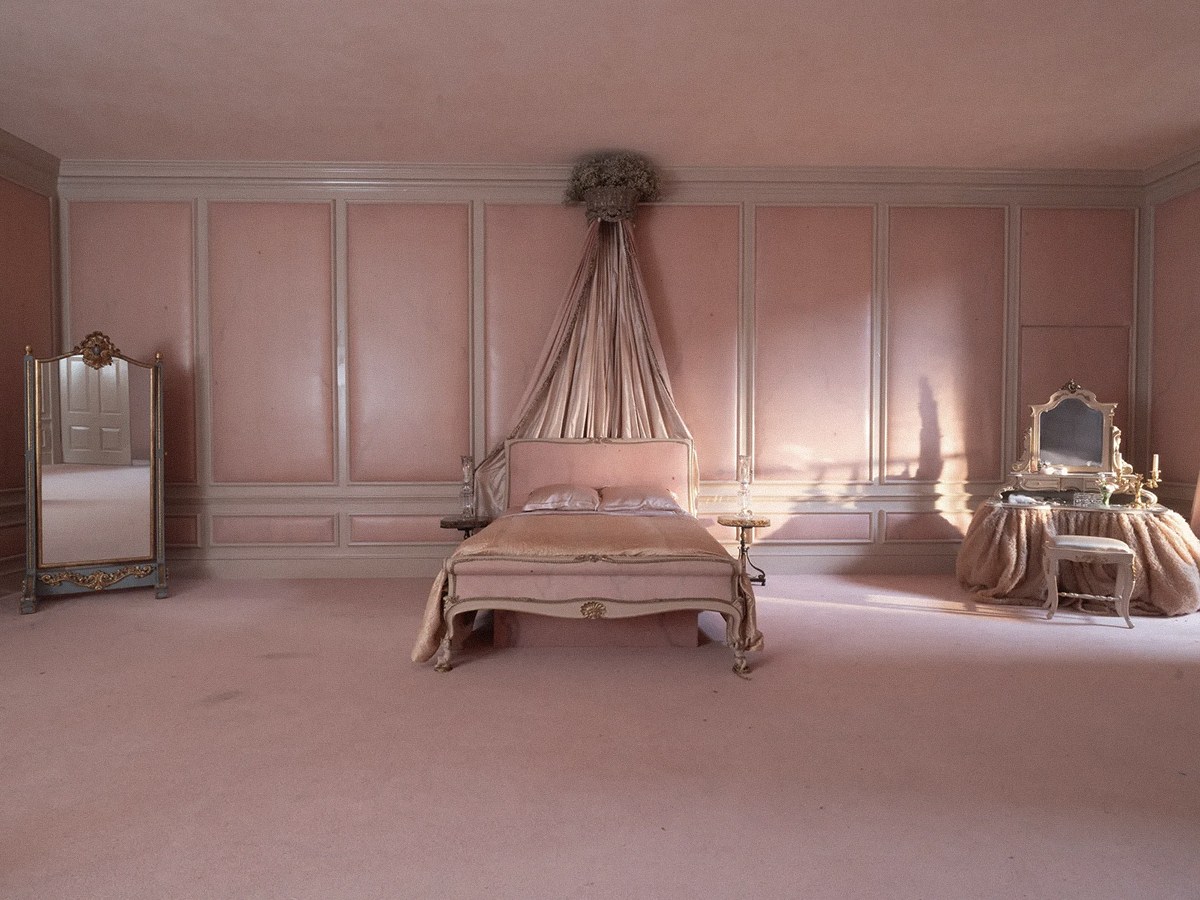
Cathy’s bedroom from Wuthering Heights (2026)
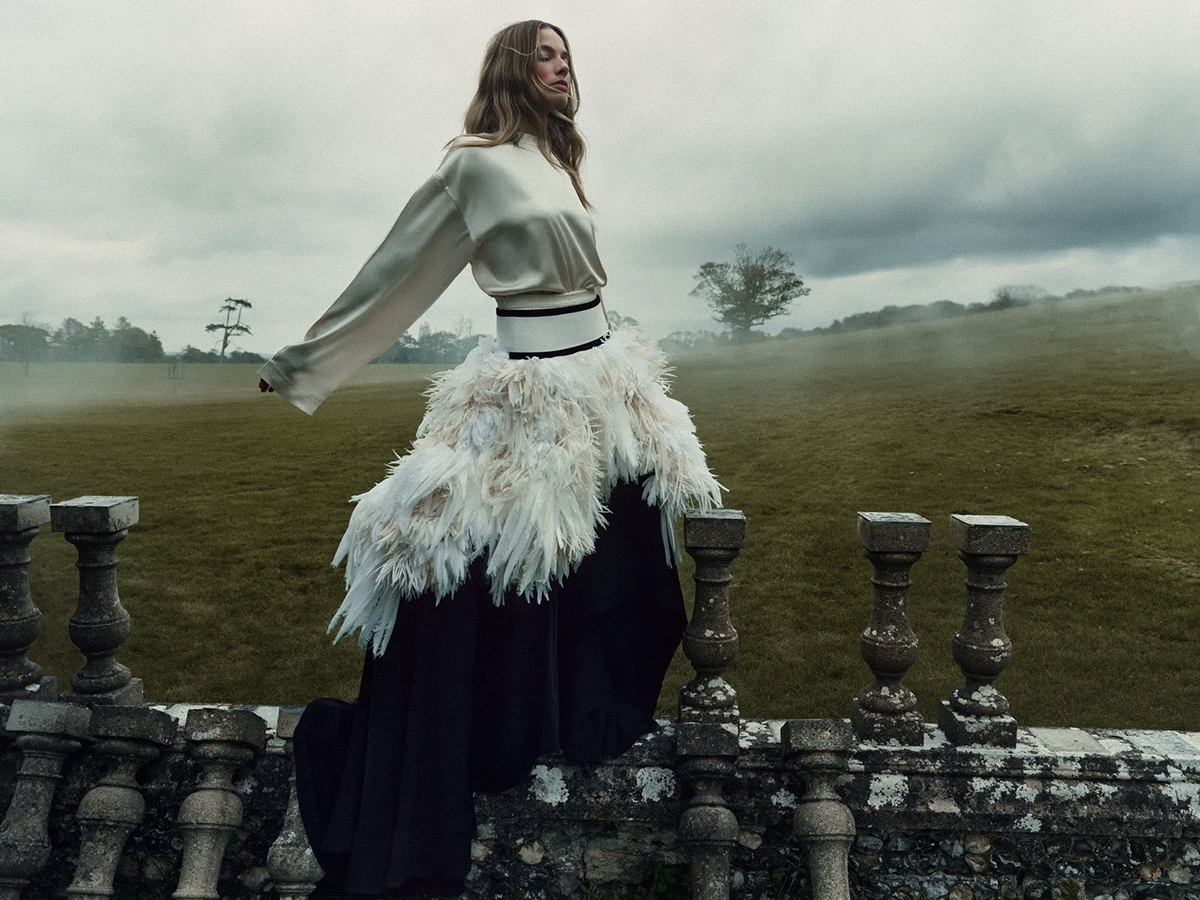
Margot Robbie, photographed by Mikael Jansson, British Vogue