After the Fever: How the 70s Promise of Liberation Became Today’s Discipline Culture

Later the Coffee Gets Cold
November 30, 2025
Quantum Affection
December 3, 2025Children of the 90s.
There are generations that arrive in the world the way one enters a room long after the guests have left — with the echo of their voices still in the air, only getting faded away. Ours, the children of the late 90s, inherited precisely that sort of atmosphere: the resounding of freedoms once shouted, the residue of lives that had tested their limits so completely that nothing remained for us but the faint vibration of their aftermath.
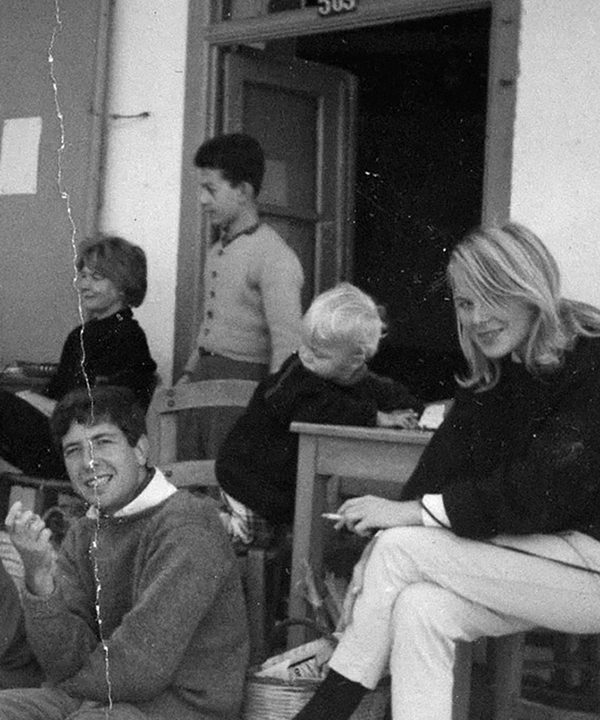
The 1970s, we were told, had been febrile: bodies ignited with desire, voices hoarse from claiming a world newly opened. But by the time we appeared, the heat had cooled into a kind of cultural twilight. The promises remained in narrations, in photographs, in poetry whose meaning had outlived their context, but the lived fire was already passed. What we received instead was a kind of mythic instruction: to be free, to feel free, to choose without fear. A tale we tried to honour, even as we sensed that its time had already passed.
As adolescents, we tried to imagine the liberation we had missed, grasping at it through books and lyrics of a bygone era. I remember reading Jim Morrison and confusing his abstractions with life itself — believing that liberty meant intensity, that intensity meant experience, that experience required a certain recklessness. I longed to rebel, though I could never quite find something to rebel about; to break free, though nothing was holding me; to taste the forbidden, though nothing was forbidden anymore. There was an almost embarrassing lucidity in discovering that desire itself is nourished by limits, and that the complete absence of them leaves one strangely unaroused.
We did not know it then, but our questions were rooted in an older catastrophe. The freedom of the 60s and 70s — the erotic optimism, the hunger for hedonism, the certainty that the body could be a site of pure pleasure — had collapsed almost overnight under the weight of a virus that turned every touch into a negotiation with mortality. AIDS interrupted the dream mid-sentence. The body, once a frontier of liberation, became a territory of fear. An entire generation of artists, lovers, outsiders vanished, and with them disappeared a form of innocence that we, born later, could never inherit.
What arrived in its place was a quiet vigilance, something absorbed not through warnings or rules, but through the cultural air itself. We felt, without fully knowing why, that ache came with shadows attached. Pleasure was permitted, but only if constrained. Freedom was encouraged, but preferably in its safer forms. And so a new ethic appeared, one that our predecessors had not foreseen: the cultivation of control as a kind of secular virtue.
The pendulum that had once swung toward excess now moved toward optimization. Where cigarettes and absinthe had once symbolised the thrill of living at the edge, we were offered pilates and green tea, as rituals that promised purity, longevity, mastery over the self. Even the fantasy of the “beautifully self-destructive artist” (so romantic in the 1970s) began to die with the epidemic. Even the image of such figures as Serge Gainsbourg has divided into controversy, completely different from the way he was considered during his lifetime. The romanticism of ruin, once glamorous, now carried the scent of funerals, leaving the scene to a belief that discipline might repair the wounds left by too much freedom, that self-governance might protect us from the fragility we inherited.
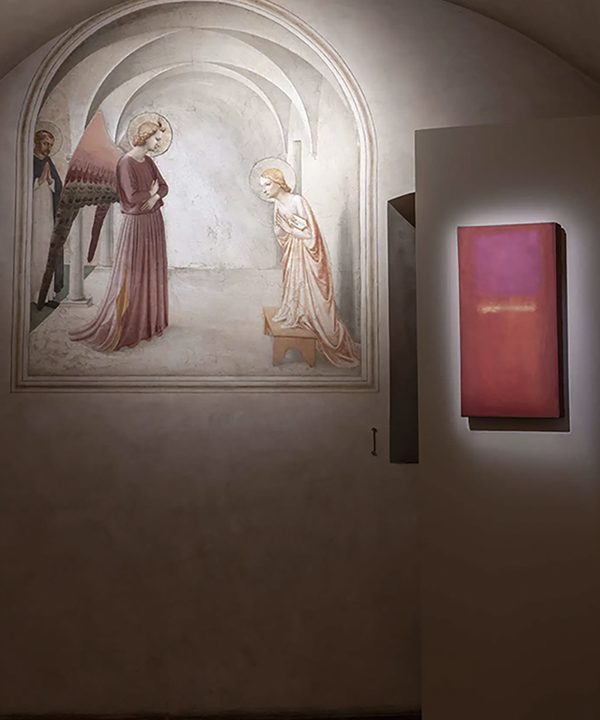
Art, too, absorbed the tremor. The loss of an entire generation of creatives forced art to confront mortality and authenticity. Photography, fashion, and cinema became more introspective: from Mapplethorpe’s controversion to Nan Goldin’s bruised intimacy, from Gaultier’s erotic irony to Raf Simons’ post-traumatic purity, from underground film to confessional documentary. We learned to admire beauty tinged with melancholy, garments that question the desire itself, images that revealed projections of what we cannot live. “Soft” and “raw” coexist because both are ways of processing forfeiture. In a world where nothing shocks, both aesthetics cling to the nostalgia for a time when art could still wound. The traumatic, in this sense, is perceived through both sides of the same research: through reminiscences of intimacity that is now hidden, and through the staging of the wildness that was once alive.
And so our lives came to mirror the same paradox. We, who had been raised with unprecedented freedom, seemed suddenly to long for the anchoring that freedom had dissolved. We possessed the ability to connect with anyone, anywhere — and yet felt ever more estranged. We could say yes to everything, and so the lesson we had to learn was to say no. In the absence of external constraints, we forged internal ones: routines, boundaries, improvements, calibrations. The body, once imagined as a site of abandon, became a project to maintain.
This is perhaps the quiet irony of our age: we have turned freedom into a discipline. The liberty once understood as expansion has, for us, become a kind of inward tightening — out of an inherited desire to avoid the losses that preceded us. Beneath our search for control, however, there remains a faint current, the residue of a fever we never lived but somehow remember. A murmur of wildness, an ancestral recall of the moments before fear dominated the life.
The true liberation now lies not in touching every experience, nor in perfecting our refusal of it, but in letting something spontaneous flicker again beneath the unspoken rules we’ve built to protect ourselves. Freedom, for us, might not an act but a memory we are learning, very gradually, to reinhabit.
Noi, nati nell’eco degli anni ’90.
Ci sono generazioni che arrivano al mondo come si entra in una stanza molto tempo dopo che gli ospiti se ne sono andati — con l’eco delle loro voci ancora sospesa nell’aria, ormai sul punto di dissolversi. La nostra, quella dei figli della fine degli anni ’90, ha ereditato proprio quell’atmosfera: il rimbombo di libertà un tempo gridate, il residuo di vite che avevano spinto i propri limiti così oltre da lasciarci solo la tenue vibrazione del loro dopo.
Gli anni ’70, ci dicevano, erano stati febbrili: corpi incendiati dal desiderio, voci rauche di aver reclamato un mondo appena aperto. Ma quando siamo apparsi noi, quel calore si era già raffreddato in un crepuscolo culturale. Le promesse restavano nei racconti, nelle fotografie, in poesie il cui senso aveva superato il proprio contesto, ma il fuoco vissuto era già passato. Ciò che ricevemmo, invece, fu una sorta di istruzione mitica: essere liberi, sentirsi liberi, scegliere senza paura. Un racconto che cercammo di onorare, pur avvertendo che la sua epoca era già conclusa.
Da adolescenti tentammo di immaginare la liberazione che non avevamo vissuto, cercando di afferrarla attraverso libri e testi di un’epoca lontana. Ricordo di aver letto Jim Morrison e di aver confuso le sue astrazioni con la vita stessa — credendo che la libertà coincidesse con l’intensità, che l’intensità richiedesse esperienza, che l’esperienza implicasse una certa sregolatezza. Desideravo ribellarmi, pur non trovando nulla contro cui ribellarmi; evadere, sebbene nulla mi trattenesse; assaporare il proibito, anche se nulla era più proibito. C’era una lucidità quasi imbarazzante nello scoprire che il desiderio si nutre di limiti, e che la loro completa assenza lascia stranamente inerti.
Allora non lo sapevamo, ma le nostre domande affondavano in una catastrofe precedente. La libertà degli anni ’60 e ’70 — l’ottimismo erotico, la fame di edonismo, la certezza che il corpo potesse essere un territorio di puro piacere — era crollata quasi da un giorno all’altro sotto il peso di un virus che trasformò ogni contatto in una negoziazione con la mortalità. L’AIDS interruppe il sogno a metà frase. Il corpo, un tempo frontiera di liberazione, divenne territorio di paura. Un’intera generazione di artisti, amanti, outsider scomparve, e con loro scomparve una forma di innocenza che noi, nati dopo, non avremmo mai potuto ereditare.
Al suo posto arrivò una vigilanza silenziosa, assorbita non tramite avvertimenti o regole, ma per osmosi culturale. Avvertivamo, senza capirlo del tutto, che il desiderio portava con sé un’ombra. Il piacere era permesso, ma solo se contenuto. La libertà incoraggiata, ma preferibilmente nelle sue forme più sicure. Così emerse una nuova etica, che i nostri predecessori non avevano previsto: la coltivazione del controllo come una sorta di virtù secolare.
Il pendolo che un tempo oscillava verso l’eccesso si spostò verso l’ottimizzazione. Dove sigarette e assenzio avevano incarnato il brivido del vivere sul filo, a noi furono offerti pilates e tè verde come rituali che promettevano purezza, longevità, padronanza di sé. Perfino la fantasia dell’“artista splendidamente autodistruttivo” (così romantica negli anni ’70) iniziò a morire con l’epidemia. Persino l’immagine di figure come Serge Gainsbourg si è frantumata nella controversia, così diversa dal modo in cui era percepito in vita. Il romanticismo della rovina, un tempo glamour, ora portava il profumo di funerali, lasciando spazio alla convinzione che la disciplina potesse riparare le ferite lasciate da troppa libertà, che l’autogoverno potesse proteggerci dalla fragilità ereditata.
Anche l’arte assorbì il tremore. La perdita di un’intera generazione di creativi costrinse l’arte a confrontarsi con la mortalità e l’autenticità. Fotografia, moda e cinema divennero più introspettivi: dalla controversia di Mapplethorpe all’intimità contusa di Nan Goldin, dall’ironia erotica di Gaultier alla purezza post-traumatica di Raf Simons, dal cinema underground al documentario confessionale. Imparammo ad ammirare una bellezza intrisa di malinconia, abiti che interrogano il desiderio stesso, immagini che rivelano le proiezioni di ciò che non possiamo vivere. “Soft” e “raw” coesistono perché entrambi sono modi di elaborare una perdita. In un mondo in cui nulla scandalizza più, entrambe le estetiche si aggrappano alla nostalgia per un tempo in cui l’arte sapeva ancora ferire. Il traumatico, in questo senso, si percepisce attraverso entrambe le ricerche: attraverso le reminiscenze di un’intimità ormai nascosta e attraverso la messinscena della selvatichezza che un tempo era viva.
Così anche le nostre vite iniziarono a rispecchiare lo stesso paradosso. Noi, cresciuti con una libertà senza precedenti, sembrammo improvvisamente desiderare l’ancoraggio che essa aveva dissolto. Possedevamo la capacità di connetterci con chiunque, ovunque — eppure ci sentivamo sempre più estranei. Potevamo dire sì a tutto, e quindi la lezione da imparare era dire no. In assenza di vincoli esterni, ne forgiammo di interni: routine, confini, miglioramenti, calibrature. Il corpo, un tempo immaginato come luogo di abbandono, divenne un progetto da mantenere.
Questa è forse l’ironia silenziosa della nostra età: abbiamo trasformato la libertà in una disciplina. La libertà un tempo intesa come espansione è diventata, per noi, una sorta di contrazione interiore — alimentata dal desiderio ereditato di evitare le perdite che ci hanno preceduti. Sotto la nostra ricerca di controllo rimane tuttavia una corrente sottile, il residuo di una febbre che non abbiamo vissuto ma che in qualche modo ricordiamo. Un mormorio di selvatichezza, un richiamo ancestrale ai momenti prima che la paura prendesse il sopravvento.
La vera liberazione, oggi, non consiste nel toccare ogni esperienza, né nel perfezionare il rifiuto di esse, ma nel lasciar riemergere qualcosa di spontaneo sotto le regole non dette che abbiamo costruito per proteggerci. La libertà, per noi, forse non è un gesto, ma una memoria che stiamo imparando, molto lentamente, a riabitare.