What Makes Style Icons So Iconic

When Life Begins to Read Like a Novel
July 14, 2025
The Memory Refused to Wake
July 28, 2025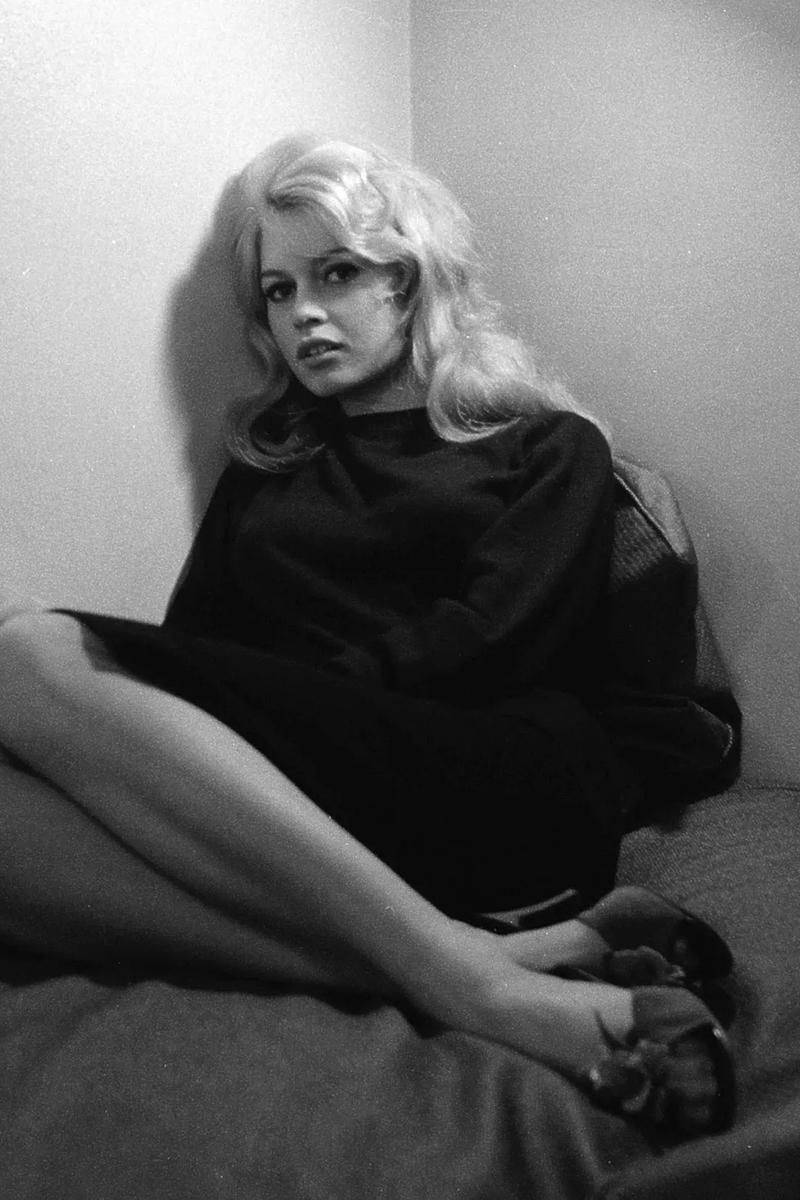

Some figures remain immediately recognisable decades after their moment has passed, not because they were endlessly visible or unusually extravagant, but because their appearance settled into a form that memory could retain without effort. When we think of them, we do not reconstruct an era or a trend; a clear image appears, already complete, already familiar, as if it had learned how to survive on its own.
A style icon is not someone who dressed well. It is someone whose appearance condensed into a small, repeatable set of signals that remained intact long enough to become shared memory.
Over time, everything nonessential falls away. What stays is what can be recalled instantly, without explanation, without context.
This is why vintage icons continue to feel present today, often more so than contemporary divas. Contemporary visibility depends on constant change: new looks, new references, new performances of relevance. The image must keep moving to hold attention. Vintage icons did something far more difficult. They stayed close to the same visual decisions until those decisions became inseparable from who they were. Once that bond was formed, the image no longer needed renewal. It could rest.
With Brigitte Bardot, recognisability comes from a different source: the impression of spontaneity. Hair that appears uncorrected, dresses that look worn rather than styled, summer clothes chosen without ceremony, necklines that return again and again. The image suggests a person unconcerned with managing perception, and that suggestion has aged better than any calculated provocation. What we return to is not excess, but ease.
With Audrey Hepburn, what endures is not a wardrobe but a precise idea of appearance: narrow trousers that leave the ankle visible, flat shoes that suggest ease rather than display, dark glasses that keep the gaze private, hair arranged with clarity, colours chosen to remain quiet. These elements recur with such consistency that they form a visual language. Even detached from films or biography, the image remains legible.
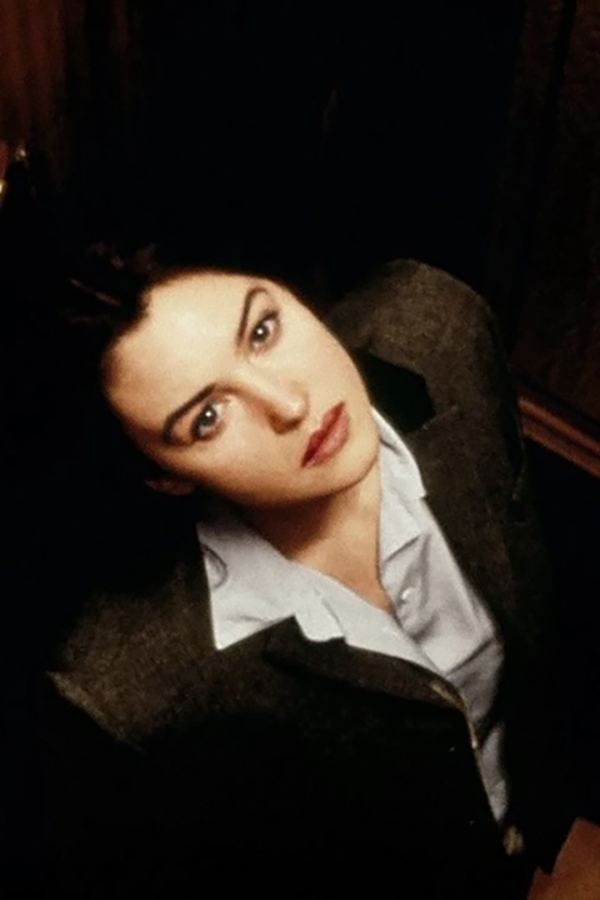
With Catherine Deneuve, what persists is exactness. Coats that read as decisions rather than decoration, a palette kept within a narrow range, hair maintained with precision, an expression that never explains itself. The image remains compelling because it does not exhaust itself through repetition. It withholds, and what withholds continues to invite attention.
Each of these women established a limited set of recognisable features and returned to them steadily enough for the viewer to learn them by heart. Once learned, these features became reliable. Reliability is what allows an image to be revisited without losing strength.
This is why imitation so often fails. It reproduces visible details without reproducing the conditions that allowed those details to become memorable: the patience to repeat, the confidence to remain within a narrow range, the willingness to let an image settle instead of constantly adjusting it. What appears simple in retrospect was, in fact, infrequent.
We keep returning to vintage icons because they solved a problem that has only become more urgent: how to remain recognisable without constant reinvention, how to let an image become familiar without becoming dull. Their style continues to inspire because it still communicates clearly. It can be recalled, referenced, and adapted without losing its origin.
A style icon, then, is not a woman admired in the past. It is a reference that continues to operate in the present.
And that is why, even now, we return to them.
Alcune figure restano immediatamente riconoscibili anche decenni dopo che il loro momento è passato, non perché fossero costantemente visibili o particolarmente eccentriche, ma perché la loro immagine si è stabilizzata in una forma che la memoria riesce a trattenere senza sforzo. Quando pensiamo a loro, non ricostruiamo un’epoca o una tendenza; appare un’immagine chiara, già completa, già familiare, come se avesse imparato a sopravvivere da sola.
Un’icona di stile non è qualcuno che si vestiva bene. È qualcuno la cui apparenza si è condensata in un piccolo insieme di segnali ripetibili, rimasti intatti abbastanza a lungo da diventare memoria condivisa.
Col tempo, tutto ciò che è non essenziale cade. Rimane ciò che può essere ricordato immediatamente, senza spiegazioni, senza contesto.
È per questo che le icone vintage continuano a sembrare presenti ancora oggi, spesso più delle dive contemporanee. La visibilità contemporanea dipende dal cambiamento costante: nuovi look, nuovi riferimenti, nuove performance di rilevanza. L’immagine deve continuare a muoversi per mantenere l’attenzione. Le icone del passato hanno fatto qualcosa di molto più difficile. Sono rimaste vicine alle stesse scelte visive fino a quando quelle scelte sono diventate inseparabili dalla loro identità. Una volta creato questo legame, l’immagine non aveva più bisogno di rinnovarsi. Poteva semplicemente esistere.
Con Brigitte Bardot, la riconoscibilità nasce da una fonte diversa: l’impressione di spontaneità. Capelli che sembrano non corretti, abiti che appaiono vissuti più che costruiti, vestiti estivi scelti senza cerimonia, scollature che ritornano ancora e ancora. L’immagine suggerisce una persona poco interessata a gestire la percezione, e questa impressione è invecchiata meglio di qualsiasi provocazione calcolata. Ciò a cui torniamo non è l’eccesso, ma la naturalezza.
Con Audrey Hepburn, ciò che resiste non è un guardaroba, ma un’idea precisa di apparizione: pantaloni stretti che lasciano scoperta la caviglia, scarpe basse che suggeriscono disinvoltura più che esibizione, occhiali scuri che mantengono lo sguardo privato, capelli ordinati con chiarezza, colori scelti per restare discreti. Questi elementi ritornano con tale coerenza da formare un linguaggio visivo. Anche separata dai film o dalla biografia, l’immagine resta leggibile.
Con Catherine Deneuve, ciò che persiste è l’esattezza. Cappotti che appaiono come decisioni e non come decorazione, una palette mantenuta entro una gamma ristretta, capelli curati con precisione, un’espressione che non si spiega mai. L’immagine resta magnetica perché non si esaurisce attraverso la ripetizione. Trattiene, e ciò che trattiene continua a invitare lo sguardo.
Ognuna di queste donne ha costruito un insieme limitato di caratteristiche riconoscibili, tornando a esse con sufficiente costanza da permettere allo sguardo di impararle a memoria. Una volta apprese, queste caratteristiche diventavano affidabili. Ed è proprio l’affidabilità che consente a un’immagine di essere rivisitata senza perdere forza.
È per questo che l’imitazione fallisce così spesso. Riproduce i dettagli visibili, ma non le condizioni che hanno permesso a quei dettagli di diventare memorabili: la pazienza di ripetere, la sicurezza di restare entro una gamma ristretta, la disponibilità a lasciare che un’immagine si stabilizzi invece di modificarla continuamente. Ciò che oggi appare semplice, in realtà, era raro.
Continuiamo a tornare alle icone del passato perché hanno risolto un problema che è diventato ancora più urgente: come restare riconoscibili senza reinventarsi continuamente, come permettere a un’immagine di diventare familiare senza diventare prevedibile. Il loro stile continua a ispirare perché comunica ancora con chiarezza. Può essere ricordato, citato e reinterpretato senza perdere la propria origine.
Un’icona di stile, dunque, non è una donna ammirata nel passato. È un riferimento che continua a operare nel presente.
Ed è per questo che, ancora oggi, continuiamo a tornare a loro.